Engytatus modestus
Tomato Bug
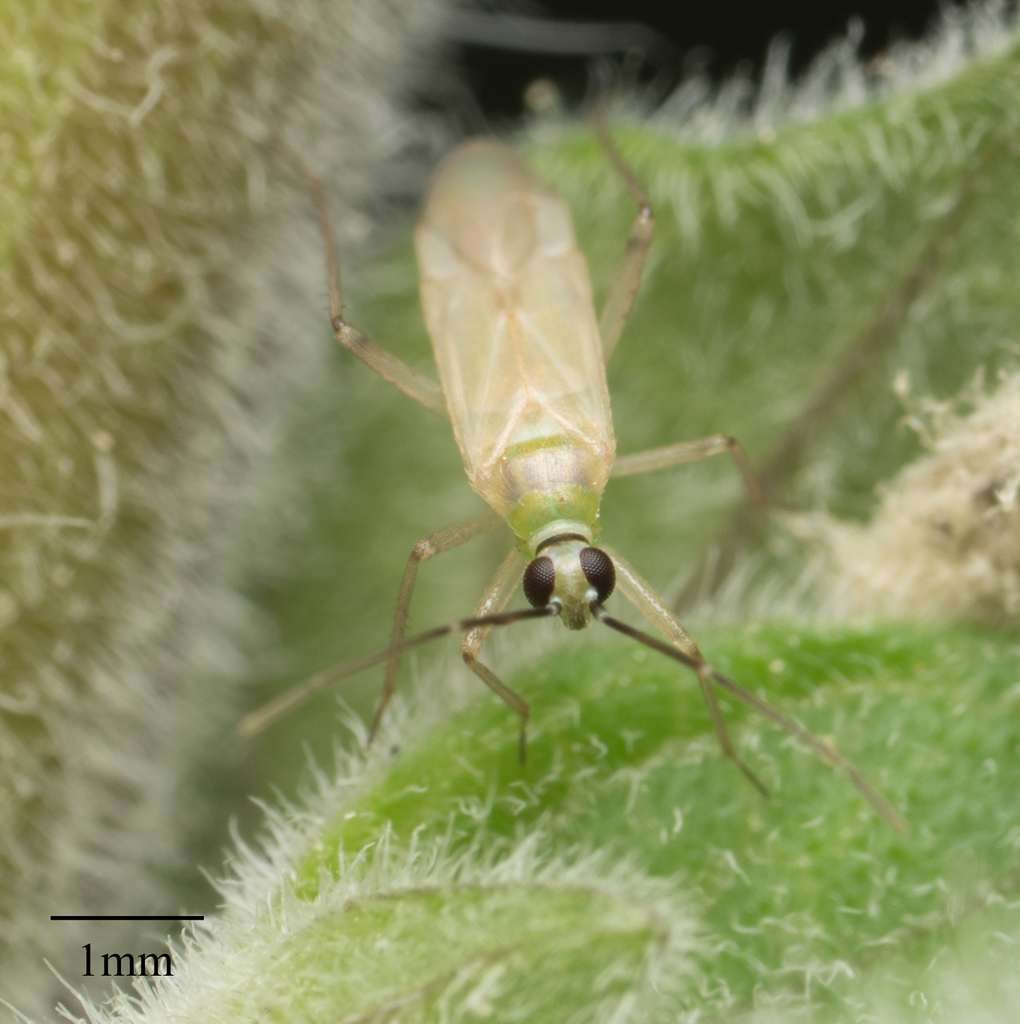
no rights reserved · CC0
Family: Miridae · Class: Insecta · Order: Hemiptera
Engytatus modestus (Tomato Bug) is a California animal in the Miridae family.
The tomato bug is a small plant bug in the family Miridae, subfamily Bryocorinae, tribe Dicyphini. This species belongs to the genus Engytatus and is classified within the order Hemiptera, the true bugs. Like other mirids, the tomato bug has piercing-sucking mouthparts and undergoes incomplete metamorphosis through five nymphal instars before reaching adulthood. The tomato bug occurs in California, though specific distributional details within the state have not been comprehensively documented in the scientific literature. The species is part of the diverse mirid fauna found throughout North America, with members of the genus Engytatus typically associated with various herbaceous plants and agricultural crops. Habitat requirements for Engytatus modestus have not been extensively studied or published in peer-reviewed literature. As suggested by its common name, the species may be associated with tomato plants and other solanaceous crops, though this association requires further scientific documentation. Like other members of the Dicyphini tribe, the tomato bug likely inhabits areas with suitable host plants, potentially including agricultural fields, gardens, and natural areas where preferred vegetation occurs. The behavioral ecology and life history of the tomato bug remain poorly documented in the scientific literature. Members of the family Miridae exhibit diverse feeding strategies, with some species being phytophagous (plant-feeding), others predaceous on small arthropods, and some displaying mixed feeding habits. The specific feeding behavior, seasonal activity patterns, mating behavior, and reproductive biology of Engytatus modestus have not been thoroughly investigated or published in accessible scientific sources. The tomato bug does not currently hold any federal or state conservation listing status. No specific population data, trend assessments, or conservation concerns have been documented for this species in available scientific literature. The species appears in the U.S. Fish and Wildlife Service taxonomic database, indicating federal recognition of the taxon, but without associated conservation status designations (FWS.gov taxonomic tree, accessed December 2025). The limited scientific documentation available for Engytatus modestus reflects a broader challenge in understanding the ecology and conservation status of many small arthropod species. While the species has been taxonomically described and is recognized in federal databases, detailed biological studies are lacking. This knowledge gap is common among the diverse mirid fauna of California, where hundreds of species remain understudied despite their potential ecological and economic importance in agricultural and natural systems. Enhanced research efforts would be valuable to better understand the distribution, habitat requirements, ecological role, and conservation needs of this species within California's diverse entomological fauna.
Classification
Class: Insecta · Order: Hemiptera · Family: Miridae
Frequently asked questions
How is Engytatus modestus classified?
Engytatus modestus belongs to class Insecta, order Hemiptera, family Miridae.
What family does Engytatus modestus belong to?
Engytatus modestus is in the Miridae family.
What is Engytatus modestus?
The tomato bug is a small plant bug in the family Miridae, subfamily Bryocorinae, tribe Dicyphini.
Is Engytatus modestus found in California?
Yes. Engytatus modestus is recorded in California in The California Species Project's catalogue.
Related species
Other California species in the same genus, family, or bioregion.
Data from The California Species Project — 14,000+ California species with verified data from CNPS, CDFW, USFWS, and more.