Epimelissodes obliquus
Oblique Longhorn Bee
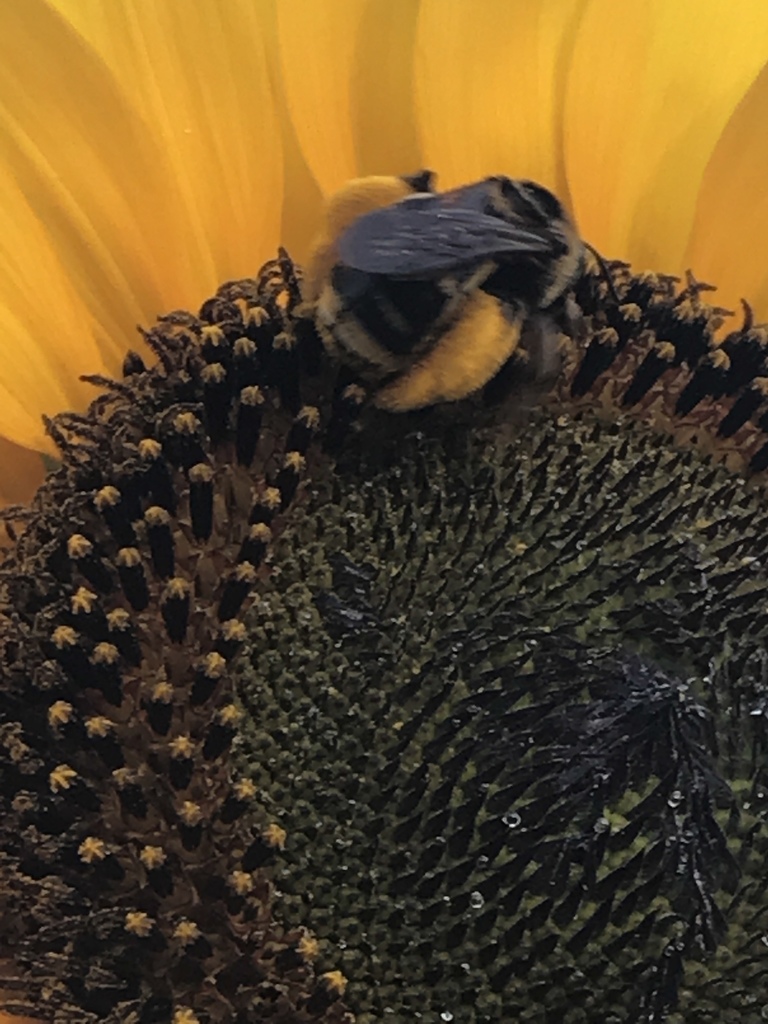
no rights reserved · CC0
Family: Apidae · Class: Insecta · Order: Hymenoptera
Epimelissodes obliquus (Oblique Longhorn Bee) is a California animal in the Apidae family.
The Oblique Longhorn Bee is a medium-sized solitary bee in the family Apidae, subfamily Apinae, tribe Eucerini (Danforth et al. 2019). This species belongs to the longhorn bee group, characterized by notably elongated antennae, particularly pronounced in males. The common name "oblique" likely refers to distinctive markings or structural features that distinguish this species from other members of the genus Epimelissodes. Epimelissodes obliquus occurs across western North America, with documented populations extending from the Pacific Coast eastward into interior regions. The species' range includes California, where it has been recorded in various counties, though specific distributional data requires further documentation. Like other members of the genus, this species likely exhibits regional variation, with at least two described subspecies: E. o. caliginosus and E. o. expurgatus (BugGuide.net 2025). The species inhabits diverse terrestrial ecosystems where suitable host plants occur. As a member of the longhorn bee tribe Eucerini, E. obliquus likely demonstrates host plant specialization, a common trait within this group. Many longhorn bees exhibit oligolectic behavior, collecting pollen from specific plant families or genera. The species' habitat requirements probably correlate with the distribution and flowering periods of its preferred pollen sources, though specific host plant relationships have not been thoroughly documented in available literature. Like other solitary bees, female Oblique Longhorn Bees construct individual nests rather than forming colonies. Females typically excavate burrows in soil or utilize existing cavities, provisioning cells with pollen balls mixed with nectar to serve as larval food. The extended antennae of males likely play a role in locating females for mating, as observed in related longhorn bee species. Flight periods probably coincide with the blooming seasons of preferred host plants, though specific phenological data for E. obliquus remains limited. The conservation status of Epimelissodes obliquus has not been formally assessed by federal or state wildlife agencies. The species does not appear on the U.S. Fish and Wildlife Service's list of federally protected species, nor does it hold special status under California's endangered species regulations as of December 2025. However, like many native bee species, E. obliquus may face threats from habitat loss, agricultural intensification, pesticide use, and climate change impacts on host plant communities. The fragmented nature of suitable habitat in developed landscapes could affect population connectivity and long-term viability. Detailed ecological studies of this species are lacking, limiting our understanding of its specific habitat requirements, host plant relationships, and population trends. The information presented here synthesizes available observations from taxonomic databases and community science platforms. Enhanced field research and systematic surveys would improve knowledge of this species' distribution, ecology, and conservation needs. Continued documentation of longhorn bee diversity and habitat associations remains crucial for developing effective conservation strategies for native pollinator communities.
Classification
Class: Insecta · Order: Hymenoptera · Family: Apidae
Frequently asked questions
How is Epimelissodes obliquus classified?
Epimelissodes obliquus belongs to class Insecta, order Hymenoptera, family Apidae.
What family does Epimelissodes obliquus belong to?
Epimelissodes obliquus is in the Apidae family.
What is Epimelissodes obliquus?
The Oblique Longhorn Bee is a medium-sized solitary bee in the family Apidae, subfamily Apinae, tribe Eucerini (Danforth et al.
Is Epimelissodes obliquus found in California?
Yes. Epimelissodes obliquus is recorded in California in The California Species Project's catalogue.
Related species
Other California species in the same genus, family, or bioregion.
Data from The California Species Project — 14,000+ California species with verified data from CNPS, CDFW, USFWS, and more.