Epinotia albangulana
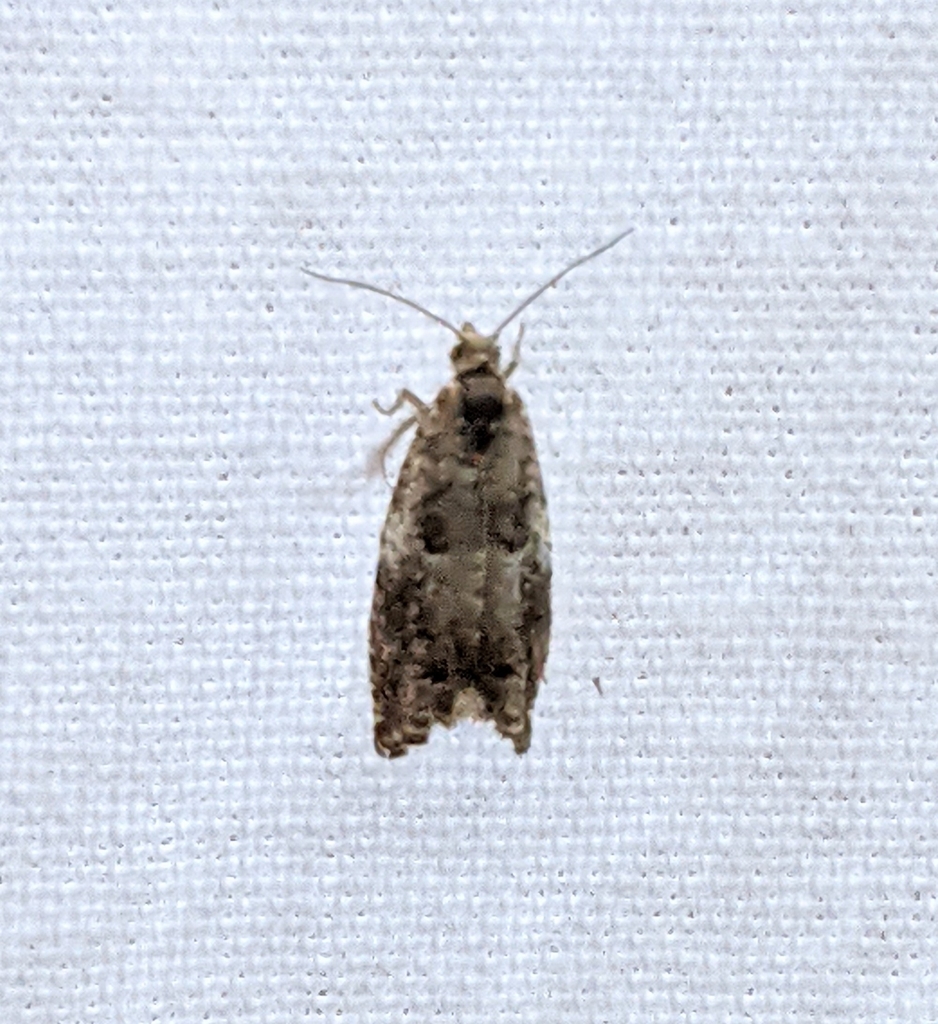
no rights reserved · CC0
Family: Tortricidae · Class: Insecta · Order: Lepidoptera
Epinotia albangulana is a California animal in the Tortricidae family.
Epinotia albangulana is a small tortricid moth in the family Tortricidae, subfamily Olethreutinae. This species belongs to the tribe Eucosmini and is assigned Hodges number 3308 in the standardized numbering system for North American moths. The forewings typically display muted earth tones with distinctive white angular markings that give the species its name, though detailed morphological descriptions remain limited in the literature. Epinotia albangulana has a broad distribution across North America, with documented occurrences from coast to coast. The species has been recorded from numerous U.S. states including California, Colorado, Louisiana, New York, and Washington (BugGuide; Moth Photographers Group). In Colorado, specimens have been collected at elevations up to 5,200 feet in the northeastern part of the state near Idalia along the Arickaree River (News of the Lepidopterists' Society 2012). The species appears to have a transcontinental range, though specific distributional limits within California have not been well documented. The habitat preferences of E. albangulana are closely tied to the distribution of its host plants in the family Betulaceae, specifically alders (Alnus species). The moth has been documented in areas supporting alder stands, including riparian zones and montane environments where these deciduous trees are common. Adult moths are attracted to ultraviolet light traps, indicating nocturnal activity patterns typical of many tortricid species (News of the Lepidopterists' Society 2012). Larval development occurs within alder catkins, where the caterpillars feed on the developing reproductive structures (Moth Photographers Group). This specialized feeding behavior suggests the species has evolved close associations with its Betulaceae hosts. Adult flight periods appear to vary geographically, with summer records from Colorado in August and collection data suggesting the species may be active during the warmer months when alder catkins are available. Epinotia albangulana is recognized as a Species of Greatest Conservation Need in both New York and Louisiana state wildlife action plans, indicating potential conservation concerns despite its apparently wide distribution (BugGuide). This designation suggests that while the species may occur across a broad geographic range, local populations may face threats or exhibit declining trends. The reliance on specific host plants within the Betulaceae family could make populations vulnerable to habitat modifications affecting alder stands, particularly in riparian areas subject to development pressure or altered hydrology. Detailed ecological studies of this species remain limited, and much of the available information derives from scattered collection records and citizen science observations. The moth's inclusion in state conservation planning documents highlights the need for more comprehensive surveys to better understand population status, habitat requirements, and potential threats. Additional research on flight periods, voltinism, and specific microhabitat preferences would enhance conservation planning efforts for this tortricid species.
Classification
Class: Insecta · Order: Lepidoptera · Family: Tortricidae
Frequently asked questions
How is Epinotia albangulana classified?
Epinotia albangulana belongs to class Insecta, order Lepidoptera, family Tortricidae.
What family does Epinotia albangulana belong to?
Epinotia albangulana is in the Tortricidae family.
What is Epinotia albangulana?
Epinotia albangulana is a small tortricid moth in the family Tortricidae, subfamily Olethreutinae.
Is Epinotia albangulana found in California?
Yes. Epinotia albangulana is recorded in California in The California Species Project's catalogue.
Related species
Other California species in the same genus, family, or bioregion.
Data from The California Species Project — 14,000+ California species with verified data from CNPS, CDFW, USFWS, and more.