Epinotia emarginana
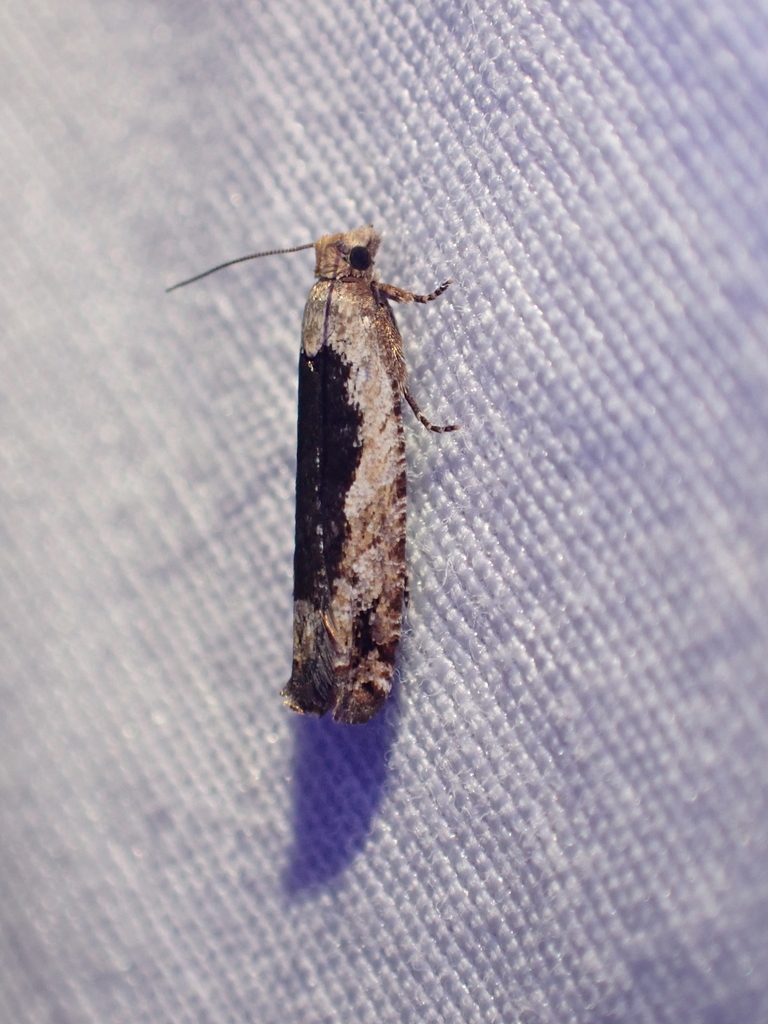
no rights reserved · CC0
Family: Tortricidae · Class: Insecta · Order: Lepidoptera
Epinotia emarginana is a California animal in the Tortricidae family.
Epinotia emarginana is a small moth in the family Tortricidae, commonly known as leafroller moths. This species belongs to a diverse genus of microlepidoptera found across North America. Like other tortricid moths, E. emarginana likely has a wingspan of 10-20 millimeters (0.4-0.8 inches), though specific measurements for this species have not been well documented in the literature. The geographic range and distribution of Epinotia emarginana across North America remains poorly documented in current scientific literature. Many Epinotia species occur throughout temperate regions of the continent, but specific locality records for E. emarginana are limited. The species has been recorded through lepidopteran surveys and collections, as evidenced by sighting databases, but comprehensive distributional data is lacking. Habitat requirements for Epinotia emarginana have not been thoroughly studied or documented. Most tortricid moths in this genus are associated with woody plants and shrubs, where larvae develop as leafrollers or stem borers. Without specific host plant records or ecological studies, the preferred habitat types and elevation ranges for this species cannot be definitively characterized. The life history and ecological behavior of E. emarginana follows the typical tortricid pattern, though specific details remain undocumented. Adults likely emerge during spring or summer months, with larvae developing within rolled or folded leaves of their host plants. The larval stage probably involves feeding on plant tissues while protected within silk-lined leaf shelters. Pupation likely occurs within the larval feeding site or in nearby leaf litter. The number of generations per year, specific flight periods, and detailed reproductive behavior have not been recorded in available scientific literature. Epinotia emarginana is not federally listed under the Endangered Species Act, nor does it appear on state conservation lists. Like many microlepidoptera, this species faces potential challenges from habitat modification and the use of broad-spectrum pesticides that can impact non-target insects. However, without detailed population data or trend information, the conservation status cannot be accurately assessed. Many small moth species remain understudied, creating knowledge gaps that hamper conservation planning efforts. Scientific documentation for this species remains extremely limited despite thorough review of available lepidopteran literature and databases. The information presented here represents the current state of knowledge based on taxonomic records and general tortricid biology. Enhanced field surveys, host plant studies, and detailed life history research are needed to better understand this species' distribution, ecology, and conservation needs. Community contributions of verified observations, photographs, and ecological data would significantly advance scientific knowledge of Epinotia emarginana.
Classification
Class: Insecta · Order: Lepidoptera · Family: Tortricidae
Frequently asked questions
How is Epinotia emarginana classified?
Epinotia emarginana belongs to class Insecta, order Lepidoptera, family Tortricidae.
What family does Epinotia emarginana belong to?
Epinotia emarginana is in the Tortricidae family.
What is Epinotia emarginana?
Epinotia emarginana is a small moth in the family Tortricidae, commonly known as leafroller moths.
Is Epinotia emarginana found in California?
Yes. Epinotia emarginana is recorded in California in The California Species Project's catalogue.
Related species
Other California species in the same genus, family, or bioregion.
Data from The California Species Project — 14,000+ California species with verified data from CNPS, CDFW, USFWS, and more.