Erethizon dorsatum
North American Porcupine
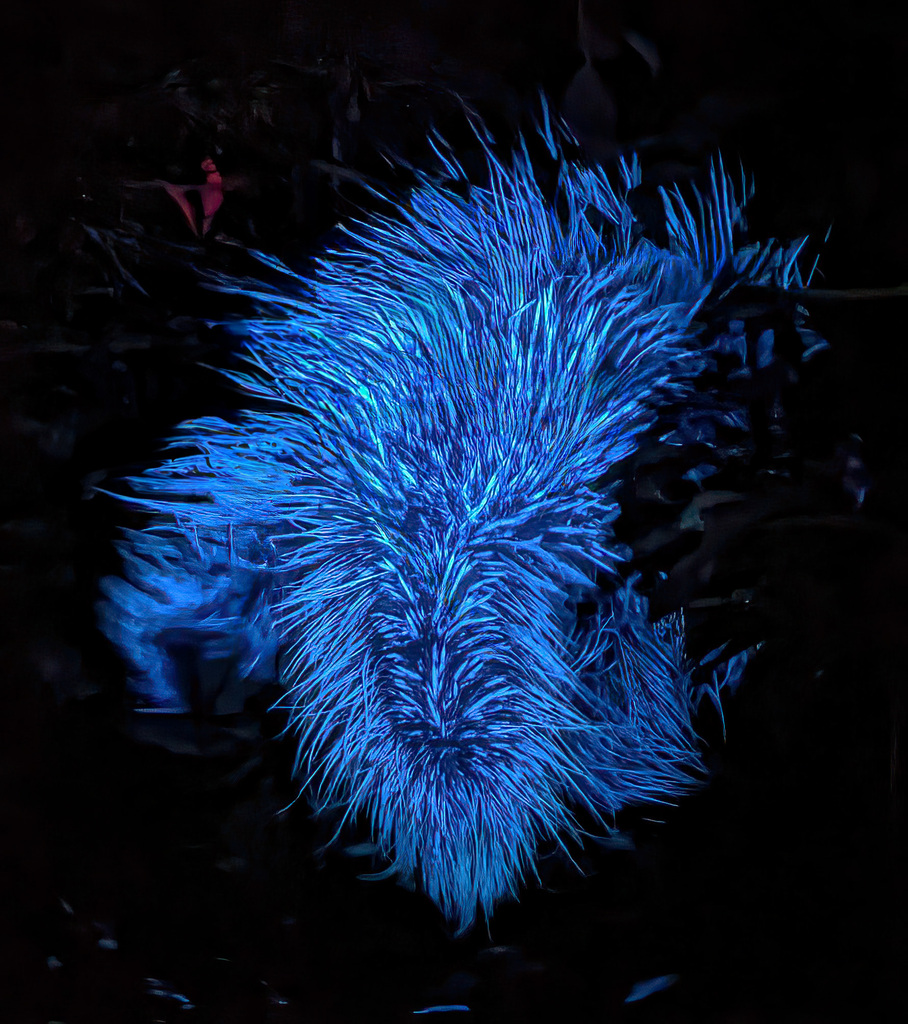
(c) Alan Rockefeller, some rights reserved (CC BY) · licence
Family: Erethizontidae · Class: Mammalia · Order: Rodentia
Conservation status: G5 S3
Erethizon dorsatum (North American Porcupine) is a California animal in the Erethizontidae family.
The North American porcupine (Erethizon dorsatum) is the second-largest rodent in North America, measuring 600 to 900 mm (24 to 35 inches) in body length with an additional tail length of 145 to 300 mm (6 to 12 inches). Adults typically weigh 5 to 14 kg (12 to 30 pounds), with males generally larger than females. The species is characterized by its distinctive coat of approximately 30,000 sharp, barbed quills that cover the back, sides, and tail. These quills, which are modified guard hairs, range from 25 to 75 mm (1 to 3 inches) in length and are white-tipped with dark bands. The underside lacks quills and is covered with dark brown to black hair. The robust body is supported by short, stocky legs equipped with long, curved claws adapted for climbing. In California, North American porcupines occur primarily in the northern and mountainous regions, including the Cascade Range, Sierra Nevada, and portions of the Coast Range. The species is found in counties including Shasta, Siskiyou, Modoc, Lassen, Plumas, Sierra, Nevada, Placer, El Dorado, Alpine, Mono, and Inyo. Their distribution extends from sea level to elevations exceeding 3,000 meters (10,000 feet), though they are most common in montane forests. Porcupines inhabit coniferous and mixed forests, preferring areas with abundant trees for feeding and denning. They utilize a variety of forest types including ponderosa pine, Douglas fir, white fir, and lodgepole pine forests. Rocky outcrops, caves, hollow trees, and dense brush provide essential denning sites. The species shows strong preference for areas with accessible water sources and minimal human disturbance. As herbivores, North American porcupines feed primarily on tree bark, particularly the inner bark (cambium) of conifers and deciduous trees. Their diet includes needles, twigs, buds, and seasonal vegetation such as forbs and aquatic plants. Porcupines are excellent climbers, using their strong claws and prehensile tail for navigation in tree canopies. They are primarily nocturnal and largely solitary except during breeding season. Mating occurs from September through November, with a gestation period of approximately 210 days. Females typically give birth to a single offspring (rarely twins) in late spring or early summer. Young are born well-developed with soft quills that harden within hours. The North American porcupine is not federally listed and maintains a global conservation status of G5 (secure). However, in California, the species holds a state rank of S3 (vulnerable), indicating some concern for long-term viability within the state. Population trends suggest regional declines in some areas, primarily attributed to habitat fragmentation, timber harvest practices, and vehicle strikes on forest roads. Climate change poses potential long-term threats through alterations to forest composition and fire regimes. The species faces predation from fishers, which have been reintroduced to portions of their California range as part of forest ecosystem restoration efforts.
Classification
Class: Mammalia · Order: Rodentia · Family: Erethizontidae
Conservation status
G5 S3
Frequently asked questions
How is Erethizon dorsatum classified?
Erethizon dorsatum belongs to class Mammalia, order Rodentia, family Erethizontidae.
What family does Erethizon dorsatum belong to?
Erethizon dorsatum is in the Erethizontidae family.
Is Erethizon dorsatum protected or of conservation concern?
Erethizon dorsatum carries the following status: G5 S3.
What is Erethizon dorsatum?
The North American porcupine (Erethizon dorsatum) is the second-largest rodent in North America, measuring 600 to 900 mm (24 to 35 inches) in body length with an additional tail length of 145 to 300 mm (6 to 12 inches).
Is Erethizon dorsatum found in California?
Yes. Erethizon dorsatum is recorded in California in The California Species Project's catalogue.
More California species
This species has no close relatives in our California data — here are other species to explore.
Data from The California Species Project — 14,000+ California species with verified data from CNPS, CDFW, USFWS, and more.