Eristalis arbustorum
Eurasian Drone Fly
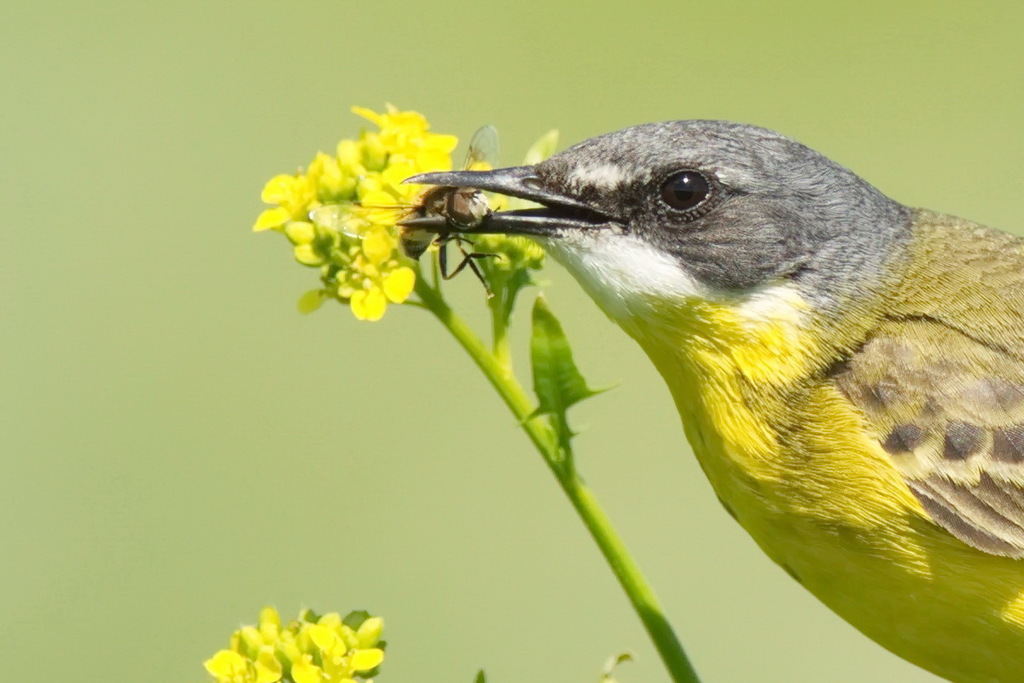
(c) Вячеслав Юсупов, some rights reserved (CC BY) · licence
Family: Syrphidae · Class: Insecta · Order: Diptera
Eristalis arbustorum (Eurasian Drone Fly) is a California animal in the Syrphidae family.
Eristalis arbustorum, commonly known as the Eurasian Drone Fly or European Drone Fly, is a hoverfly in the family Syrphidae originally described by Carl Linnaeus in 1758. This species exhibits variable coloration, with dark brown flies displaying varying amounts of yellow patches on the abdomen. Wing length ranges from 7 to 10 millimeters (0.28 to 0.39 inches), and the size of colored patches on the abdomen varies with larval rearing temperature, as does overall wing length (iNaturalist). The Eurasian Drone Fly is native to Europe but has established populations across the Northern Hemisphere. While primarily a European species, it has been documented in various regions including parts of North America. In California, this species represents a non-native introduction, though specific distribution data within the state remains limited in available records. This species inhabits a wide range of wetland environments and can be found in alluvial softwood forests, temperate coniferous forests, boreal forests, taiga, and montane regions (GBIF). The larvae develop in aquatic environments including small ponds, ditches, drains, and temporary pools. Notably, as with other drone flies, E. arbustorum can successfully breed in polluted water conditions, including temporary pools contaminated with organic matter such as livestock droppings (NatureSpot). Adult Eurasian Drone Flies are active pollinators attracted to various flowering plants. They commonly visit cow parsley, common hogweed, creeping thistle, knapweed, and common yarrow for nectar feeding (Wikipedia). The species exhibits seasonal activity patterns, with adults typically observed from late March through early December in temperate regions. Like other members of the Eristalis genus, these flies are accomplished mimics of bees and wasps, providing them protection from predators through Batesian mimicry. Larval development occurs in aquatic environments where the distinctive rat-tailed maggot larvae breathe through a telescoping siphon that can extend to the water surface. This adaptation allows them to exploit oxygen-poor aquatic habitats that many other insects cannot utilize. The larvae serve as decomposers, feeding on organic matter in their aquatic environment. No specific conservation concerns have been identified for E. arbustorum in California. As a non-native species, it does not receive protection under federal or state endangered species legislation. The species appears to be well-established in suitable habitats where it occurs, and its ability to breed in polluted water conditions suggests resilience to environmental degradation. However, comprehensive surveys of its California distribution and potential ecological impacts have not been extensively documented. The species' role as a pollinator may provide some ecological benefits, though its interactions with native California flora and fauna require further study to fully understand its ecological integration in non-native environments.
Classification
Class: Insecta · Order: Diptera · Family: Syrphidae
Frequently asked questions
How is Eristalis arbustorum classified?
Eristalis arbustorum belongs to class Insecta, order Diptera, family Syrphidae.
What family does Eristalis arbustorum belong to?
Eristalis arbustorum is in the Syrphidae family.
What is Eristalis arbustorum?
Eristalis arbustorum, commonly known as the Eurasian Drone Fly or European Drone Fly, is a hoverfly in the family Syrphidae originally described by Carl Linnaeus in 1758.
Is Eristalis arbustorum found in California?
Yes. Eristalis arbustorum is recorded in California in The California Species Project's catalogue.
Related species
Other California species in the same genus, family, or bioregion.
Data from The California Species Project — 14,000+ California species with verified data from CNPS, CDFW, USFWS, and more.