Ethmia coquillettella
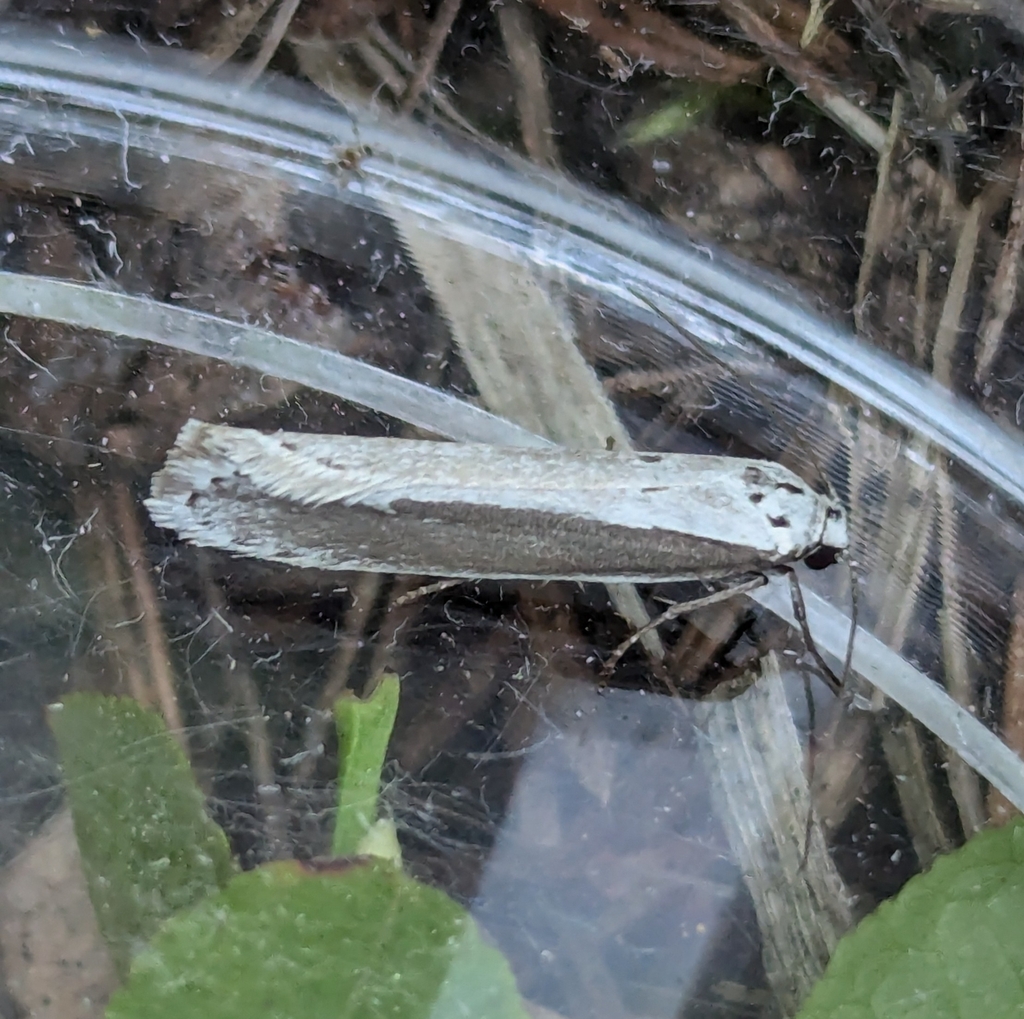
no rights reserved · CC0
Family: Depressariidae · Class: Insecta · Order: Lepidoptera
Ethmia coquillettella is a California animal in the Depressariidae family.
Ethmia coquillettella is a small moth species belonging to the family Depressariidae, a group commonly known as grass moths or concealer moths. This species represents one of the lesser-known members of the genus Ethmia, which comprises approximately 200 described species worldwide. Adult moths typically measure 8 to 12 mm in wingspan, with forewings displaying a characteristic pattern of dark markings on a lighter background, though specific coloration details for this species require further documentation. The known distribution of Ethmia coquillettella is limited to California, where it appears to have a restricted range. Historical records indicate occurrence in coastal and inland regions of the state, though comprehensive surveys of current populations have not been conducted. The species was originally described from California specimens, but detailed locality data from early collections often lack the precision of modern taxonomic studies. Like other members of the Depressariidae family, E. coquillettella likely inhabits areas with suitable host plants and appropriate microclimate conditions. Many Ethmia species are associated with specific plant families, particularly Boraginaceae, and develop as leaf miners or external feeders on their host plants. The specific habitat requirements and elevation range for this species have not been thoroughly documented in recent literature. The life cycle of E. coquillettella follows the typical lepidopteran pattern of complete metamorphosis, progressing through egg, larval, pupal, and adult stages. Adult flight periods for related Ethmia species in California typically occur during spring and summer months, though specific timing for E. coquillettella remains undocumented. Larvae likely feed on specific host plants, potentially creating distinctive feeding patterns or mine structures that could aid in species identification and ecological studies. The conservation status of Ethmia coquillettella has not been formally assessed by state or federal agencies. The species lacks official listing under the California Endangered Species Act or the federal Endangered Species Act. Limited distribution data and lack of recent systematic surveys make it difficult to assess population trends or identify specific conservation needs. Many small moth species face challenges from habitat loss, pesticide use, and climate change, but the specific threats affecting E. coquillettella require investigation. Taxonomic research on California's Depressariidae fauna indicates that many species in this family remain poorly studied, with some known only from original type specimens collected decades ago. Modern molecular techniques and updated taxonomic keys could help clarify the status and distribution of E. coquillettella and related species. Conservation efforts for lesser-known lepidopteran species often depend on broader habitat protection measures that preserve native plant communities and reduce pesticide impacts on non-target insects. The limited available information on Ethmia coquillettella highlights the need for additional research on California's diverse but understudied moth fauna. Systematic surveys combining traditional morphological identification with DNA barcoding could help determine current distribution, abundance, and ecological requirements of this and other poorly known species.
Classification
Class: Insecta · Order: Lepidoptera · Family: Depressariidae
Frequently asked questions
How is Ethmia coquillettella classified?
Ethmia coquillettella belongs to class Insecta, order Lepidoptera, family Depressariidae.
What family does Ethmia coquillettella belong to?
Ethmia coquillettella is in the Depressariidae family.
What is Ethmia coquillettella?
Ethmia coquillettella is a small moth species belonging to the family Depressariidae, a group commonly known as grass moths or concealer moths.
Is Ethmia coquillettella found in California?
Yes. Ethmia coquillettella is recorded in California in The California Species Project's catalogue.
Related species
Other California species in the same genus, family, or bioregion.
Data from The California Species Project — 14,000+ California species with verified data from CNPS, CDFW, USFWS, and more.