Ethmia macneilli
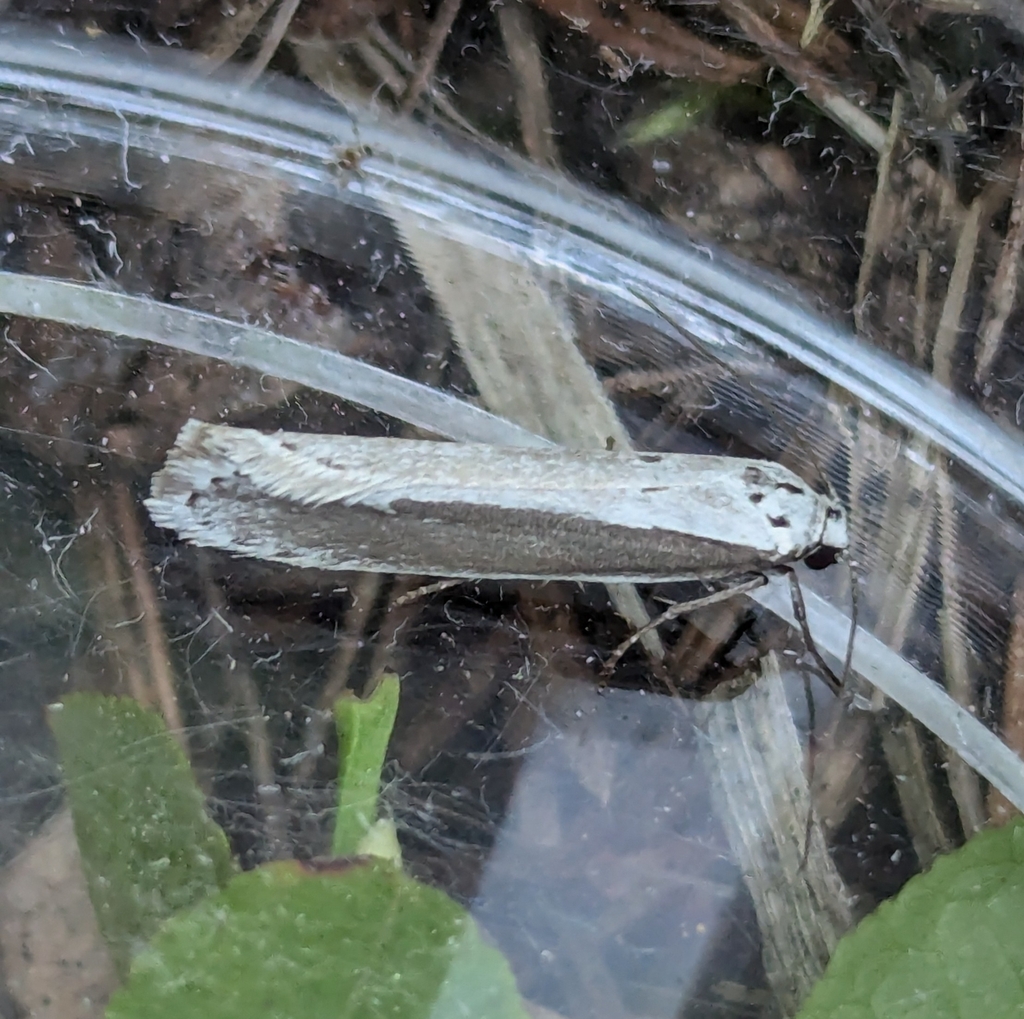
no rights reserved · CC0
Family: Depressariidae · Class: Insecta · Order: Lepidoptera
Ethmia macneilli is a California animal in the Depressariidae family.
Ethmia macneilli is a small moth in the family Depressariidae, a group commonly known as grass moth or concealer moths. This species belongs to the genus Ethmia, which comprises numerous small to medium-sized moths distributed across North and Central America. As with most members of the Depressariidae family, E. macneilli likely measures between 8 to 15 millimeters in forewing length when at rest, though specific morphological descriptions for this species are limited in available literature. The distribution and range of Ethmia macneilli in California remains poorly documented in accessible databases. Like many microlepidopteran species, detailed range maps and occurrence records are often scattered across specialized taxonomic literature and museum collections. The species appears to be known from limited localities, suggesting either a naturally restricted distribution or insufficient survey effort for this group of small moths. Habitat requirements for E. macneilli are not well-established in current literature. Members of the genus Ethmia typically inhabit diverse environments including chaparral, oak woodlands, desert margins, and riparian zones throughout California. These moths are often associated with specific host plants, and habitat preferences frequently correlate with the distribution of their larval food sources. Elevation ranges for the genus in California span from sea level coastal areas to montane regions above 2,000 meters, though the specific elevational preferences of E. macneilli require further documentation. The life history and ecological behavior of Ethmia macneilli follows the general pattern of related species within the genus. Adult moths are typically nocturnal and may be attracted to artificial lights during evening hours. Larvae are likely leaf miners or external feeders on specific host plants, though the particular plant associations for this species remain undocumented in readily available sources. Most Ethmia species are univoltine, producing one generation per year, with adult flight periods varying by species and geographic location. Timing of emergence likely corresponds with the phenology of host plants and local climate conditions. The conservation status of Ethmia macneilli is not currently assessed by state or federal agencies. This species lacks formal conservation rankings, which is common among microlepidoptera due to limited taxonomic knowledge and survey data. The absence of conservation status does not necessarily indicate security, as many small moth species face threats from habitat loss, pesticide use, and climate change without adequate monitoring to detect population trends. Urban development, agricultural intensification, and altered fire regimes may impact populations if the species has specialized habitat requirements or limited distributions. Further research is needed to establish basic biological information for E. macneilli, including definitive host plant associations, detailed distribution records, population status, and ecological requirements. Systematic surveys targeting microlepidoptera would help clarify the conservation needs of this and other poorly known moth species in California's diverse ecosystems.
Classification
Class: Insecta · Order: Lepidoptera · Family: Depressariidae
Frequently asked questions
How is Ethmia macneilli classified?
Ethmia macneilli belongs to class Insecta, order Lepidoptera, family Depressariidae.
What family does Ethmia macneilli belong to?
Ethmia macneilli is in the Depressariidae family.
What is Ethmia macneilli?
Ethmia macneilli is a small moth in the family Depressariidae, a group commonly known as grass moth or concealer moths.
Is Ethmia macneilli found in California?
Yes. Ethmia macneilli is recorded in California in The California Species Project's catalogue.
Related species
Other California species in the same genus, family, or bioregion.
Data from The California Species Project — 14,000+ California species with verified data from CNPS, CDFW, USFWS, and more.