Ethmia n. sp. A
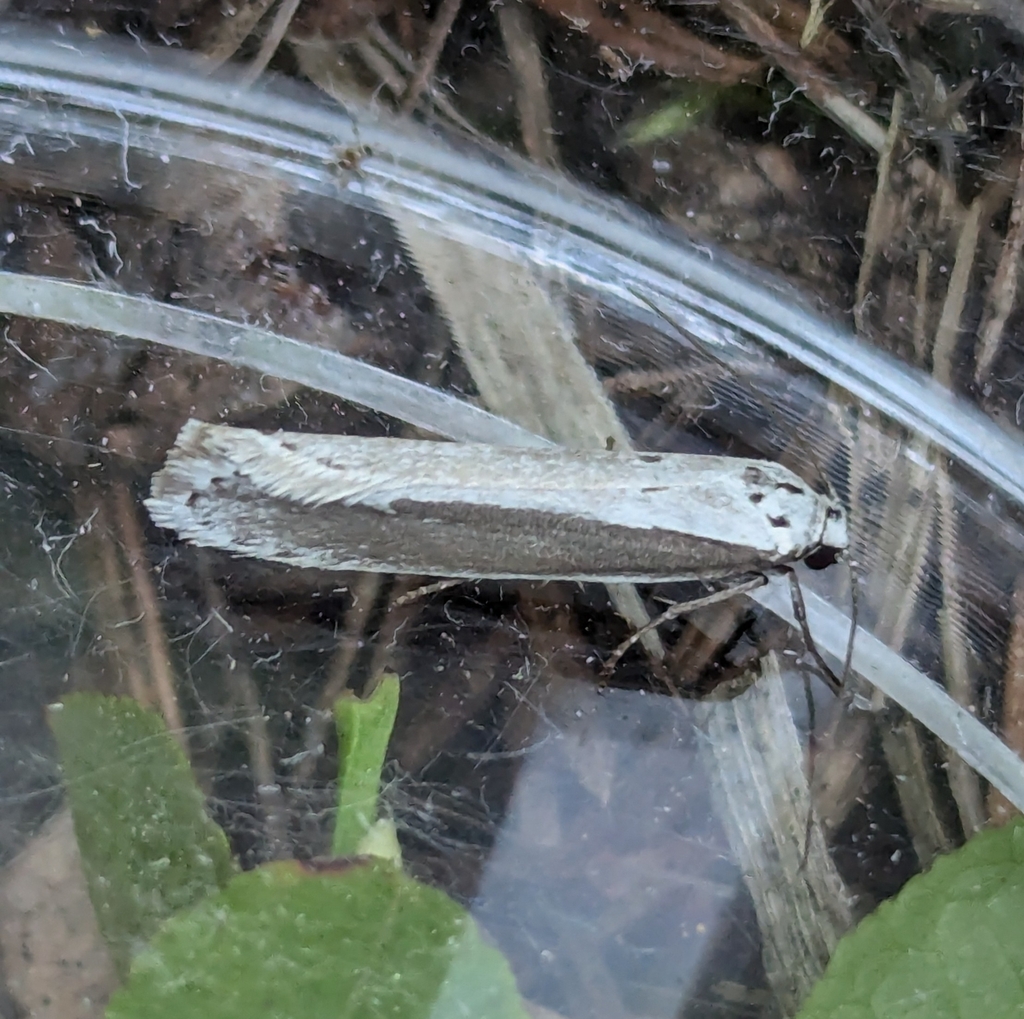
no rights reserved · CC0
Family: Depressariidae · Class: Insecta · Order: Lepidoptera
Ethmia n. sp. A is a California animal in the Depressariidae family.
Ethmia n. sp. A is an undescribed species of moth in the family Depressariidae, subfamily Ethmiinae. This species represents one of numerous undescribed taxa within the genus Ethmia, which contains over 200 described species worldwide. The specific epithet "n. sp. A" indicates this is a new species awaiting formal taxonomic description and publication in the scientific literature. Members of the genus Ethmia are typically small to medium-sized moths with wingspans ranging from 15 to 30 millimeters (0.6 to 1.2 inches). Adults generally display white or cream-colored forewings marked with black spots, bands, or other distinctive patterns that are species-specific and crucial for identification. The hindwings are typically pale with reduced markings. Ethmia moths possess narrow wings and relatively long antennae compared to their body size. Larvae are typically pale with dark markings and can be distinguished from other elachistid caterpillars by their specific host plant associations and feeding behaviors. The distribution and range of Ethmia n. sp. A remain incompletely documented pending formal description. Undescribed Ethmia species in California are often discovered through targeted collecting efforts in specialized habitats, particularly in areas with high plant diversity that may support endemic host plant relationships. The genus Ethmia in California includes both widespread and narrowly endemic species, with some restricted to specific mountain ranges, desert regions, or coastal areas. Ethmia moths typically inhabit areas where their larval host plants occur. Many species in this genus demonstrate highly specific host plant relationships, with larvae feeding exclusively on plants in particular families, most commonly Boraginaceae (borage family) and occasionally Hydrophyllaceae (waterleaf family). Adults are primarily nocturnal and are attracted to artificial lights, making them discoverable through moth trapping and light sheet surveys. The life cycle follows the standard lepidopteran pattern of egg, larva, pupa, and adult stages. Larvae typically feed within the stems, leaves, or flower heads of their host plants, creating distinctive feeding signs that can aid in species detection. Pupation usually occurs in the soil or plant debris near the host plant. Flight periods vary among Ethmia species but commonly occur during spring and summer months when host plants are actively growing. The conservation status of Ethmia n. sp. A cannot be assessed until formal description and population studies are completed. However, many narrowly endemic California moths face threats from habitat loss, urban development, invasive plant species that displace native host plants, and climate change effects on plant-insect relationships. The discovery and description of new moth species continues to reveal California's exceptional lepidopteran diversity, particularly in specialized habitats that may harbor additional undescribed taxa. Formal taxonomic description will enable proper conservation assessment and inclusion in biodiversity monitoring programs.
Classification
Class: Insecta · Order: Lepidoptera · Family: Depressariidae
Frequently asked questions
How is Ethmia n. sp. A classified?
Ethmia n. sp. A belongs to class Insecta, order Lepidoptera, family Depressariidae.
What family does Ethmia n. sp. A belong to?
Ethmia n. sp. A is in the Depressariidae family.
Is Ethmia n. sp. A found in California?
Yes. Ethmia n. sp. A is recorded in California in The California Species Project's catalogue.
Related species
Other California species in the same genus, family, or bioregion.
Data from The California Species Project — 14,000+ California species with verified data from CNPS, CDFW, USFWS, and more.