Ethmia n. sp. B
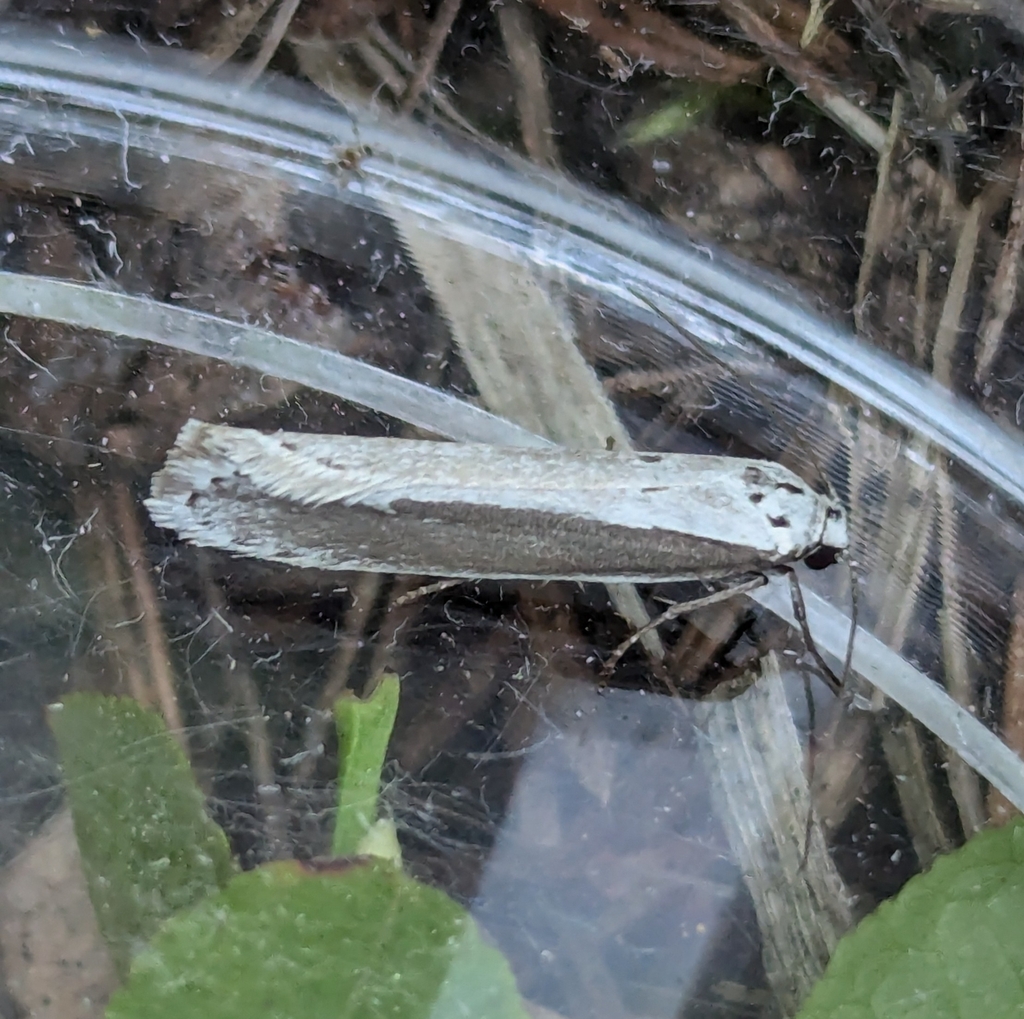
no rights reserved · CC0
Family: Depressariidae · Class: Insecta · Order: Lepidoptera
Ethmia n. sp. B is a California animal in the Depressariidae family.
Ethmia n. sp. B is an undescribed species of moth in the family Depressariidae, subfamily Ethmiinae. As an unnamed species, detailed morphological and biological information remains limited pending formal taxonomic description and publication. The genus Ethmia comprises small to medium-sized moths typically characterized by distinctive wing patterns and specialized host plant relationships. Members of the genus Ethmia generally measure 8 to 15 millimeters in forewing length, with wingspans ranging from 16 to 30 millimeters. Ethmia species typically display white or pale ground coloration on the forewings with contrasting dark spots, bands, or geometric patterns. The hindwings are usually pale or white with minimal markings. Adults possess moderately long antennae and well-developed proboscis for nectar feeding. Without formal description, the specific diagnostic features that distinguish Ethmia n. sp. B from related species have not been published. The geographic range and distribution of Ethmia n. sp. B in California remains to be documented through systematic surveys and taxonomic study. The genus Ethmia occurs throughout much of North America, with several described species found in California's diverse ecosystems. California hosts multiple Ethmia species across elevation gradients from coastal areas to montane environments, suggesting potential habitat diversity for undescribed taxa. Habitat requirements for Ethmia n. sp. B have not been characterized, though related species in the genus typically occupy areas supporting their larval host plants. Ethmia moths generally show strong host plant specificity, with larvae feeding on species in the family Boraginaceae, particularly plants in the genera Cordia, Ehretia, and related taxa. Some species utilize plants in other families including Hydrophyllaceae. Adult moths are typically found in proximity to larval host plants and may visit flowers of various plant species for nectar. Ethmia species exhibit complete metamorphosis with egg, larval, pupal, and adult stages. Larvae typically feed on leaves of host plants, often creating characteristic feeding damage patterns. Development time and number of generations per year vary among species and with local climate conditions. Adults are generally active during daylight hours and may be attracted to artificial lights at night. Mating and oviposition behaviors follow typical lepidopteran patterns, with females depositing eggs on or near suitable host plants. The conservation status of Ethmia n. sp. B cannot be assessed without formal taxonomic description and population studies. As an undescribed species, it lacks federal or state protection status. Many small moth species face potential threats from habitat loss, pesticide applications, climate change, and invasive plant species that may displace native host plants. The discovery and description of new moth species highlights the incomplete knowledge of California's lepidopteran diversity and the importance of continued taxonomic research. Formal description of this species will be essential for future conservation assessment and monitoring efforts.
Classification
Class: Insecta · Order: Lepidoptera · Family: Depressariidae
Frequently asked questions
How is Ethmia n. sp. B classified?
Ethmia n. sp. B belongs to class Insecta, order Lepidoptera, family Depressariidae.
What family does Ethmia n. sp. B belong to?
Ethmia n. sp. B is in the Depressariidae family.
Is Ethmia n. sp. B found in California?
Yes. Ethmia n. sp. B is recorded in California in The California Species Project's catalogue.
Related species
Other California species in the same genus, family, or bioregion.
Data from The California Species Project — 14,000+ California species with verified data from CNPS, CDFW, USFWS, and more.