Ethmia plagiobothrae
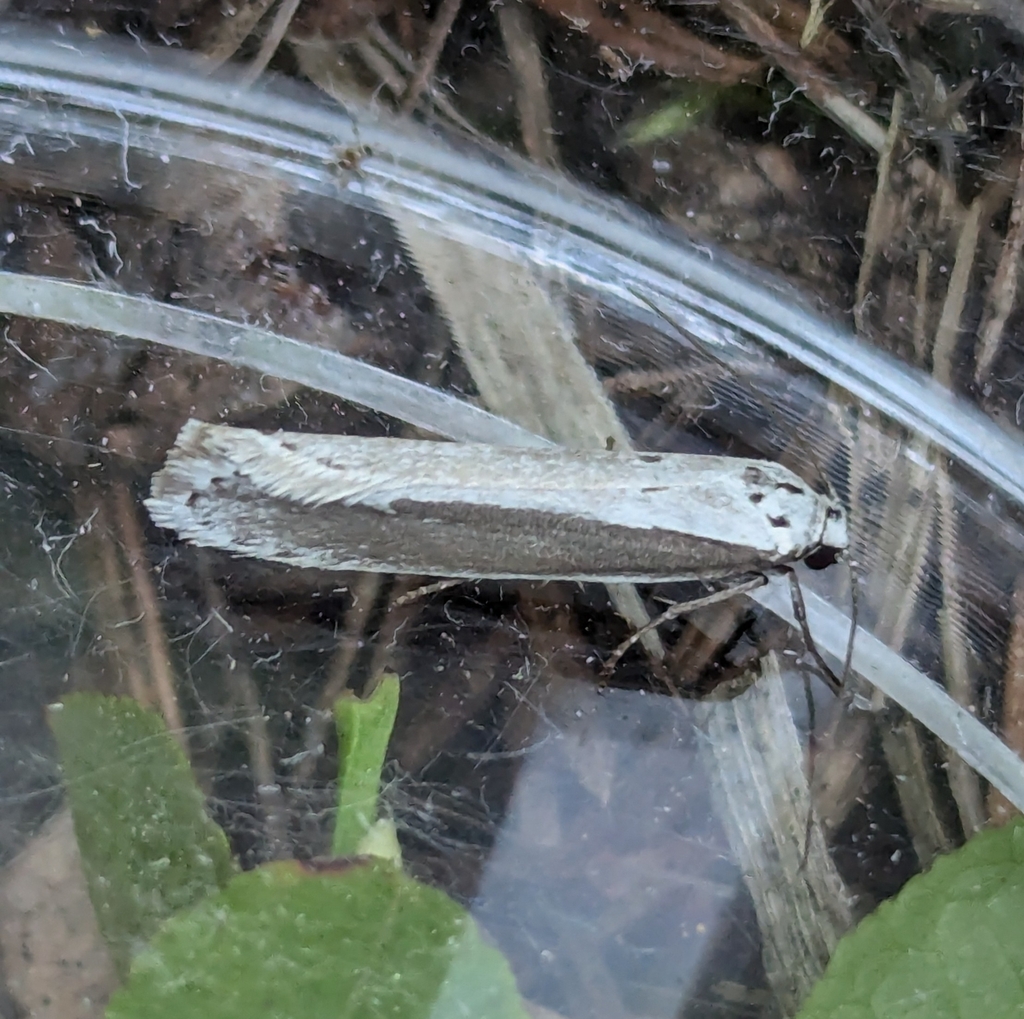
no rights reserved · CC0
Family: Depressariidae · Class: Insecta · Order: Lepidoptera
Ethmia plagiobothrae is a California animal in the Depressariidae family.
Ethmia plagiobothrae is a small moth in the family Depressariidae, representing one of the lesser-documented members of the genus Ethmia in California. This species belongs to a group of microlepidoptera characterized by narrow forewings and distinctive wing patterns, though specific morphological details for E. plagiobothrae remain poorly documented in the scientific literature. The current distribution and historical range of Ethmia plagiobothrae in California are not well-established in available records. The genus Ethmia is represented by several species across western North America, but precise locality data for E. plagiobothrae appears limited in published surveys. Without comprehensive distributional studies, the species' presence in specific California counties or bioregions cannot be definitively confirmed. Habitat preferences for Ethmia plagiobothrae remain largely undocumented. Members of the genus Ethmia typically inhabit areas where their host plants occur, often in chaparral, coastal sage scrub, or oak woodland environments. Many Ethmia species show strong associations with specific plant families, particularly Boraginaceae, but the precise habitat requirements and elevation range for E. plagiobothrae have not been thoroughly studied. The life cycle and ecological behavior of Ethmia plagiobothrae follow the general pattern observed in related species. Adult moths likely have one or more generations per year, with larvae feeding internally as leaf miners or externally on host plant foliage. Flight periods for adults have not been documented for this species, though other California Ethmia species typically fly during spring and summer months. Mating behavior and oviposition sites remain unstudied. The conservation status of Ethmia plagiobothrae is unclear due to insufficient survey data and taxonomic uncertainty. The species lacks federal or state listing status, and no formal conservation assessments have been conducted. The primary challenge in evaluating conservation needs stems from limited knowledge of the species' distribution, abundance, and ecological requirements. Many microlepidoptera species in California face potential threats from habitat loss due to urban development, agricultural conversion, and altered fire regimes, but the specific vulnerability of E. plagiobothrae to these factors cannot be assessed without baseline population data. The taxonomic status of Ethmia plagiobothrae requires verification through modern systematic studies. Historical descriptions of Ethmia species in California may include synonyms or misidentifications, and molecular analysis could clarify relationships within the genus. Recent surveys focusing on microlepidoptera diversity in California have revealed new species and range extensions, suggesting that comprehensive study of E. plagiobothrae could provide important insights into its true distribution and conservation status. Further research is needed to establish fundamental biological and ecological information for this species, including host plant associations, habitat preferences, flight periods, and population status across its range in California.
Classification
Class: Insecta · Order: Lepidoptera · Family: Depressariidae
Frequently asked questions
How is Ethmia plagiobothrae classified?
Ethmia plagiobothrae belongs to class Insecta, order Lepidoptera, family Depressariidae.
What family does Ethmia plagiobothrae belong to?
Ethmia plagiobothrae is in the Depressariidae family.
What is Ethmia plagiobothrae?
Ethmia plagiobothrae is a small moth in the family Depressariidae, representing one of the lesser-documented members of the genus Ethmia in California.
Is Ethmia plagiobothrae found in California?
Yes. Ethmia plagiobothrae is recorded in California in The California Species Project's catalogue.
Related species
Other California species in the same genus, family, or bioregion.
Data from The California Species Project — 14,000+ California species with verified data from CNPS, CDFW, USFWS, and more.