Ethmia timberlakei
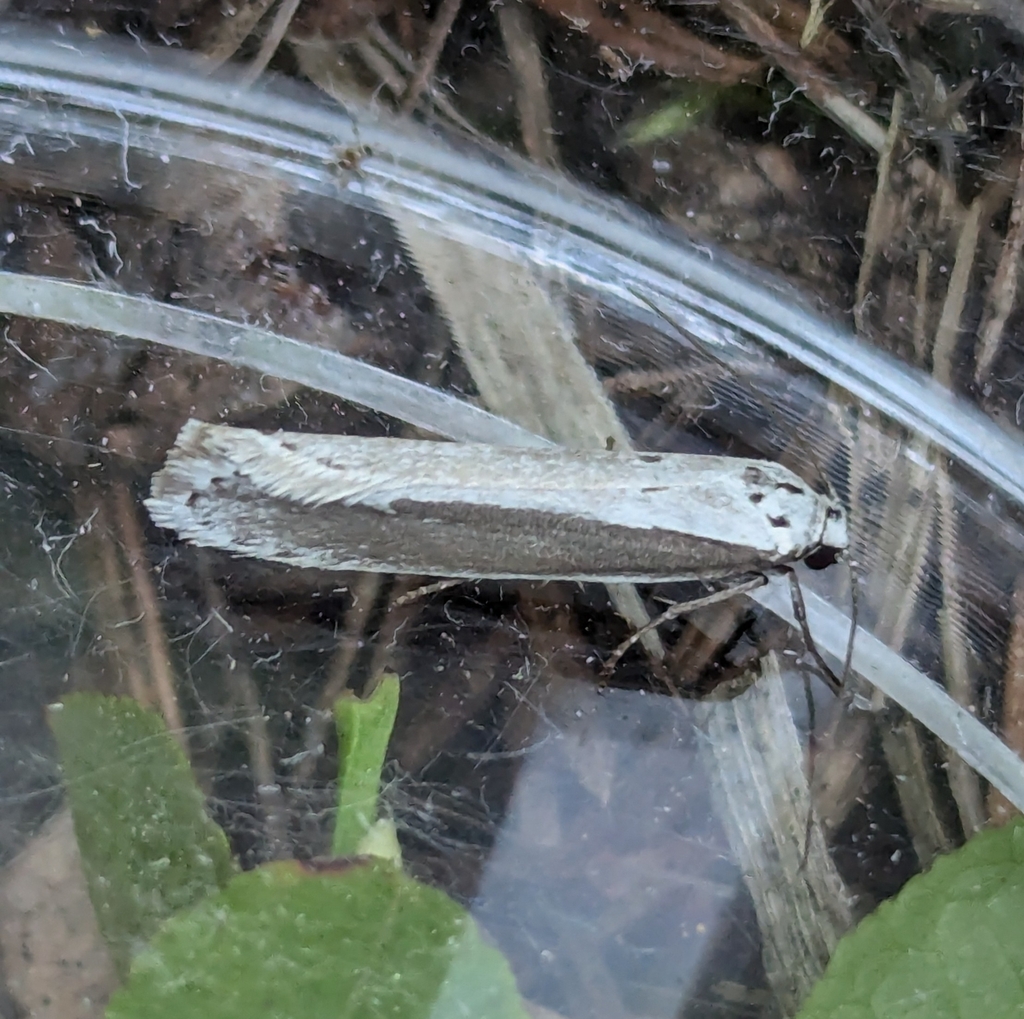
no rights reserved · CC0
Family: Depressariidae · Class: Insecta · Order: Lepidoptera
Ethmia timberlakei is a California animal in the Depressariidae family.
Ethmia timberlakei is a small moth in the family Depressariidae, representing one of California's lesser-known lepidopteran species. This moth belongs to a genus characterized by distinctive wing patterns and specialized ecological requirements, though detailed morphological descriptions for this particular species remain limited in the scientific literature. The physical characteristics of E. timberlakei follow the general pattern of the Ethmia genus, with adults typically measuring 15-20 mm in wingspan. Ethmia moths generally display forewings with intricate patterns of white or cream-colored spots against darker backgrounds, often brown or gray. The hindwings are typically paler, ranging from light brown to whitish. Adult moths possess thread-like antennae and a slender body structure typical of the Depressariidae family. Sexual dimorphism may occur, with males often having more prominent antennae for detecting female pheromones. The geographic distribution of Ethmia timberlakei appears to be restricted to California, though specific range information requires further documentation. Many Ethmia species demonstrate narrow endemic ranges, suggesting this species may be limited to particular regions within the state. The species' distribution likely correlates with the availability of suitable host plants and specific microhabitat conditions. Habitat requirements for E. timberlakei remain poorly documented, but related Ethmia species typically inhabit areas supporting their specialized host plants. Many members of this genus are associated with boraginaceous plants, particularly those in the family Boraginaceae. The species likely occupies habitats where these host plants occur naturally, which may include chaparral, oak woodlands, or desert margins depending on the specific plant associations. Elevation preferences and seasonal habitat use patterns require additional research. The life cycle of E. timberlakei follows the typical lepidopteran pattern of complete metamorphosis. Larvae likely feed on specific host plants, as is characteristic of the genus, with different species often specializing on particular plant species or genera within Boraginaceae. Adult flight periods probably occur during specific seasons when host plants are in optimal condition and mating opportunities are maximized. Many Ethmia species are univoltine, producing one generation per year, though multivoltine patterns exist in some species. The conservation status of Ethmia timberlakei remains unclear due to limited survey data and taxonomic uncertainty. The species is not currently listed under state or federal endangered species legislation, which may reflect either stable population status or insufficient data for assessment. As with many specialized moths, potential threats could include habitat loss, invasive plant species displacing native host plants, climate change effects on host plant distribution, and pesticide applications in areas where the species occurs. The narrow host plant associations typical of Ethmia moths make them particularly vulnerable to environmental changes affecting their food sources. Further research is needed to establish population trends, precise habitat requirements, and conservation needs for this species. Systematic surveys targeting Ethmia moths in California could provide crucial data for assessing the status of E. timberlakei and related endemic species.
Classification
Class: Insecta · Order: Lepidoptera · Family: Depressariidae
Frequently asked questions
How is Ethmia timberlakei classified?
Ethmia timberlakei belongs to class Insecta, order Lepidoptera, family Depressariidae.
What family does Ethmia timberlakei belong to?
Ethmia timberlakei is in the Depressariidae family.
What is Ethmia timberlakei?
Ethmia timberlakei is a small moth in the family Depressariidae, representing one of California's lesser-known lepidopteran species.
Is Ethmia timberlakei found in California?
Yes. Ethmia timberlakei is recorded in California in The California Species Project's catalogue.
Related species
Other California species in the same genus, family, or bioregion.
Data from The California Species Project — 14,000+ California species with verified data from CNPS, CDFW, USFWS, and more.