Ethmia tricula
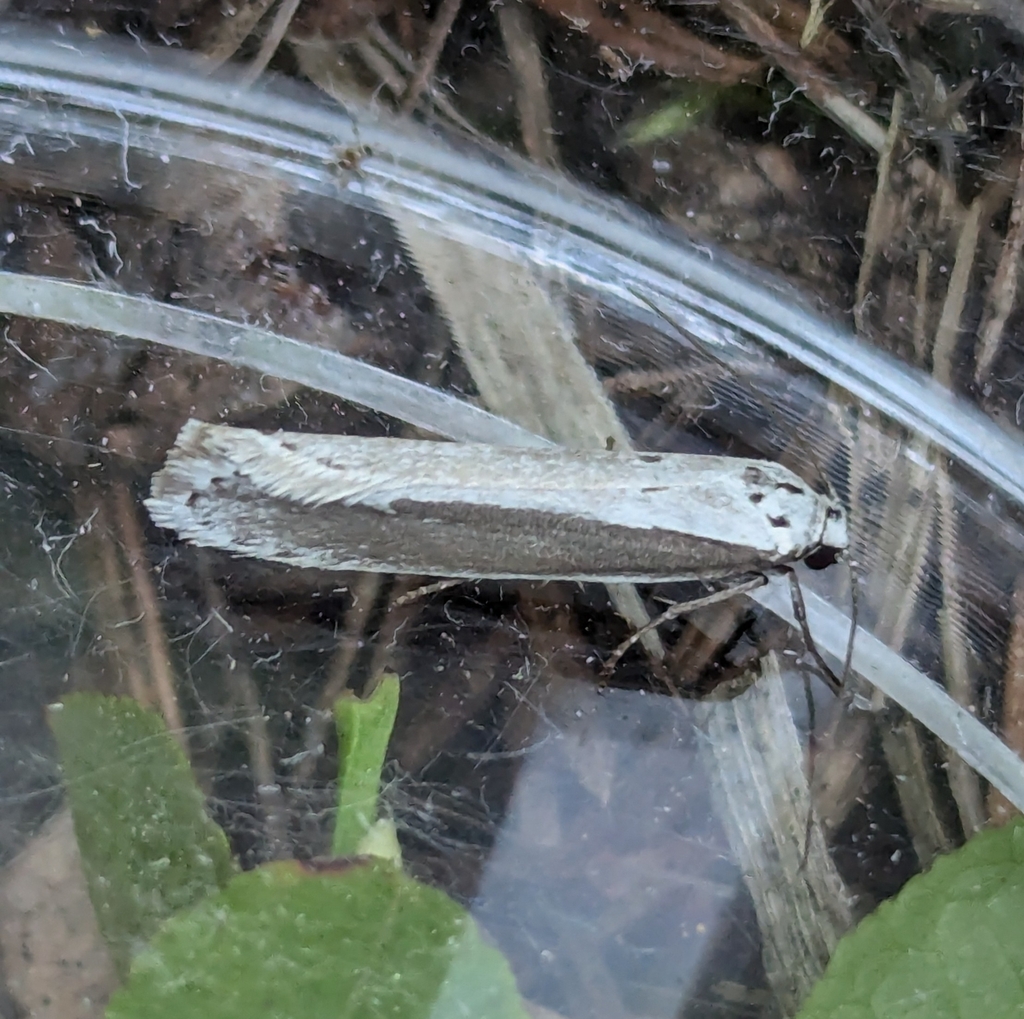
no rights reserved · CC0
Family: Depressariidae · Class: Insecta · Order: Lepidoptera
Ethmia tricula is a California animal in the Depressariidae family.
Ethmia tricula is a small moth in the family Depressariidae found in California, United States. This species represents one of the smaller members of the genus Ethmia, with forewings measuring approximately 4.3 mm (0.17 inches) in length (Wikipedia). The moth was described as new to science in 1973, making it a relatively recently recognized species within the diverse Ethmia genus, which includes over 125 species in the New World and approximately 240 species worldwide. The range of Ethmia tricula is restricted to California, though specific distributional details within the state have not been well documented in available literature. The genus Ethmia is known to occur across various habitats throughout North America, with 52 species recorded from the continent, but habitat preferences specific to E. tricula remain poorly characterized. Like other members of the family Depressariidae, Ethmia tricula likely undergoes complete metamorphosis with egg, larval, pupal, and adult stages. The life history and ecological requirements of this species have not been extensively studied or documented in available scientific literature. Many Ethmia species are known to have host plant associations, particularly with various flowering plants, but specific host plants for E. tricula have not been identified or reported. The flight period, seasonal activity patterns, and behavioral characteristics of Ethmia tricula are not well documented. Adult moths in the genus Ethmia are typically active during warmer months, but specific timing for this California endemic remains unknown. Reproductive biology, including mating behaviors, egg-laying preferences, and larval development, has not been described for this species. Currently, Ethmia tricula does not appear on federal or state conservation lists, and its conservation status remains unassessed. The species' small size, limited known range, and apparent rarity in collections suggest it may be naturally uncommon or highly localized within California. However, without comprehensive surveys or population studies, it is difficult to determine whether the species faces any conservation threats or population declines. The paucity of information about Ethmia tricula reflects the broader challenge of documenting California's diverse moth fauna, particularly among smaller, less conspicuous species. Many microlepidoptera remain understudied, with basic biological and ecological information lacking even decades after their initial scientific description. Further research is needed to understand the distribution, habitat requirements, life history, and conservation needs of this endemic California moth species.
Classification
Class: Insecta · Order: Lepidoptera · Family: Depressariidae
Frequently asked questions
How is Ethmia tricula classified?
Ethmia tricula belongs to class Insecta, order Lepidoptera, family Depressariidae.
What family does Ethmia tricula belong to?
Ethmia tricula is in the Depressariidae family.
What is Ethmia tricula?
Ethmia tricula is a small moth in the family Depressariidae found in California, United States.
Is Ethmia tricula found in California?
Yes. Ethmia tricula is recorded in California in The California Species Project's catalogue.
Related species
Other California species in the same genus, family, or bioregion.
Data from The California Species Project — 14,000+ California species with verified data from CNPS, CDFW, USFWS, and more.