Euchaetes elegans
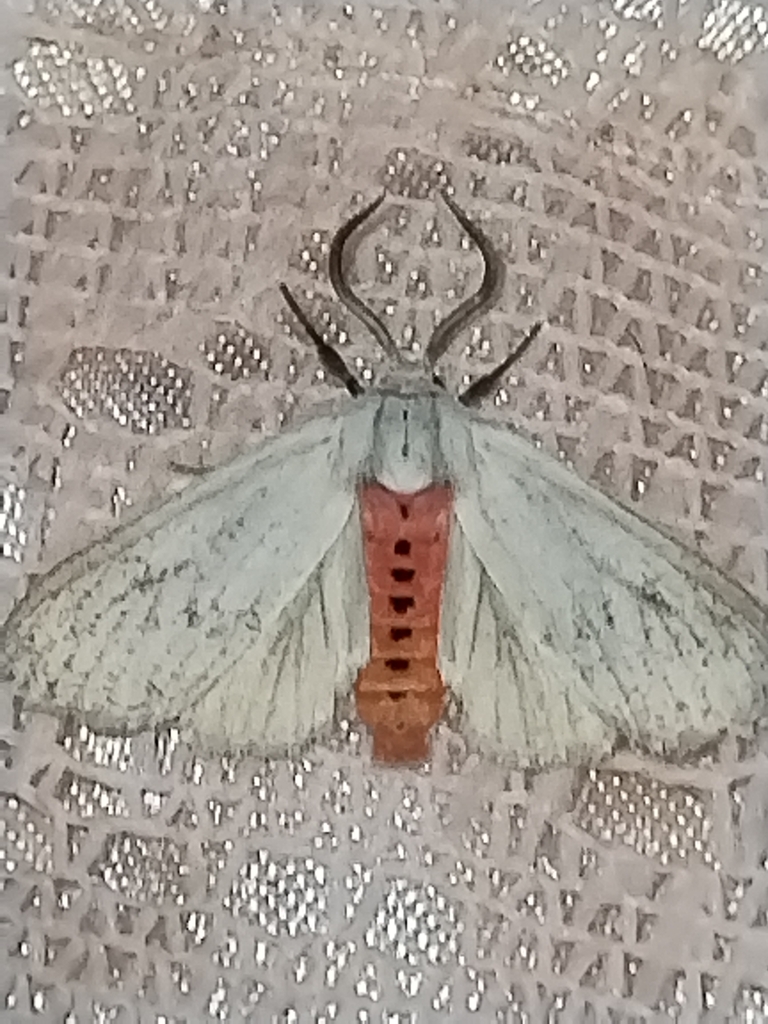
(c) srsvivos, some rights reserved (CC BY) · licence
Family: Erebidae · Class: Insecta · Order: Lepidoptera
Euchaetes elegans is a California animal in the Erebidae family.
The elegant tussock moth (Euchaetes elegans) is a member of the family Erebidae, subfamily Arctiinae. This moth was first described by Richard Harper Stretch in 1874. Adults are relatively small moths with wingspan measurements not well documented in the literature, though they share the typical arctiine moth body plan with broad wings and fuzzy, often brightly colored appearance characteristic of tiger moths and their relatives. The species has an extensive range across western North America and extends into Central and South America. In the United States, Euchaetes elegans occurs in California, Arizona, New Mexico, Nevada, and Texas (iNaturalist). The species' range extends southward through Mexico into Guatemala, Panama, and Colombia, indicating a preference for warmer climates. Within California, specific county-level distribution data remains poorly documented in the scientific literature. Habitat requirements for the elegant tussock moth have not been comprehensively studied. Like many members of the genus Euchaetes, this species likely inhabits areas where its larval host plants occur. Many Euchaetes species are associated with plants in the family Apocynaceae, particularly milkweeds (Asclepias spp.), though specific host plant relationships for E. elegans require further documentation. The broad geographic range suggests the species can adapt to various habitat types from desert regions to more mesic environments. Life history details for Euchaetes elegans remain largely unstudied. The genus Euchaetes typically includes species whose larvae feed on plants containing cardiac glycosides, which the caterpillars sequester for protection against predators. Adult flight periods, number of generations per year, and specific reproductive behaviors have not been documented for this species. Like other arctiine moths, adults are likely nocturnal and may be attracted to artificial lights. The elegant tussock moth currently has no formal conservation status at federal or state levels. The species appears to have a stable, widespread distribution across much of its range based on occurrence records. However, like many moth species, E. elegans may face threats from habitat modification, light pollution, and pesticide use. The broad geographic distribution from California to South America suggests the species may have sufficient genetic diversity and habitat availability to maintain stable populations. Scientific documentation for this species remains limited. The information presented here is based on available sources including iNaturalist records and taxonomic databases. Detailed studies of the elegant tussock moth's ecology, host plant relationships, and population status would contribute valuable knowledge to our understanding of western North American Erebidae. If you have additional verified information about this species' biology, distribution, or ecology, please contact us to help improve this species account.
Classification
Class: Insecta · Order: Lepidoptera · Family: Erebidae
Frequently asked questions
How is Euchaetes elegans classified?
Euchaetes elegans belongs to class Insecta, order Lepidoptera, family Erebidae.
What family does Euchaetes elegans belong to?
Euchaetes elegans is in the Erebidae family.
What is Euchaetes elegans?
The elegant tussock moth (Euchaetes elegans) is a member of the family Erebidae, subfamily Arctiinae.
Is Euchaetes elegans found in California?
Yes. Euchaetes elegans is recorded in California in The California Species Project's catalogue.
Related species
Other California species in the same genus, family, or bioregion.
Data from The California Species Project — 14,000+ California species with verified data from CNPS, CDFW, USFWS, and more.