Eucosma grandiflavana
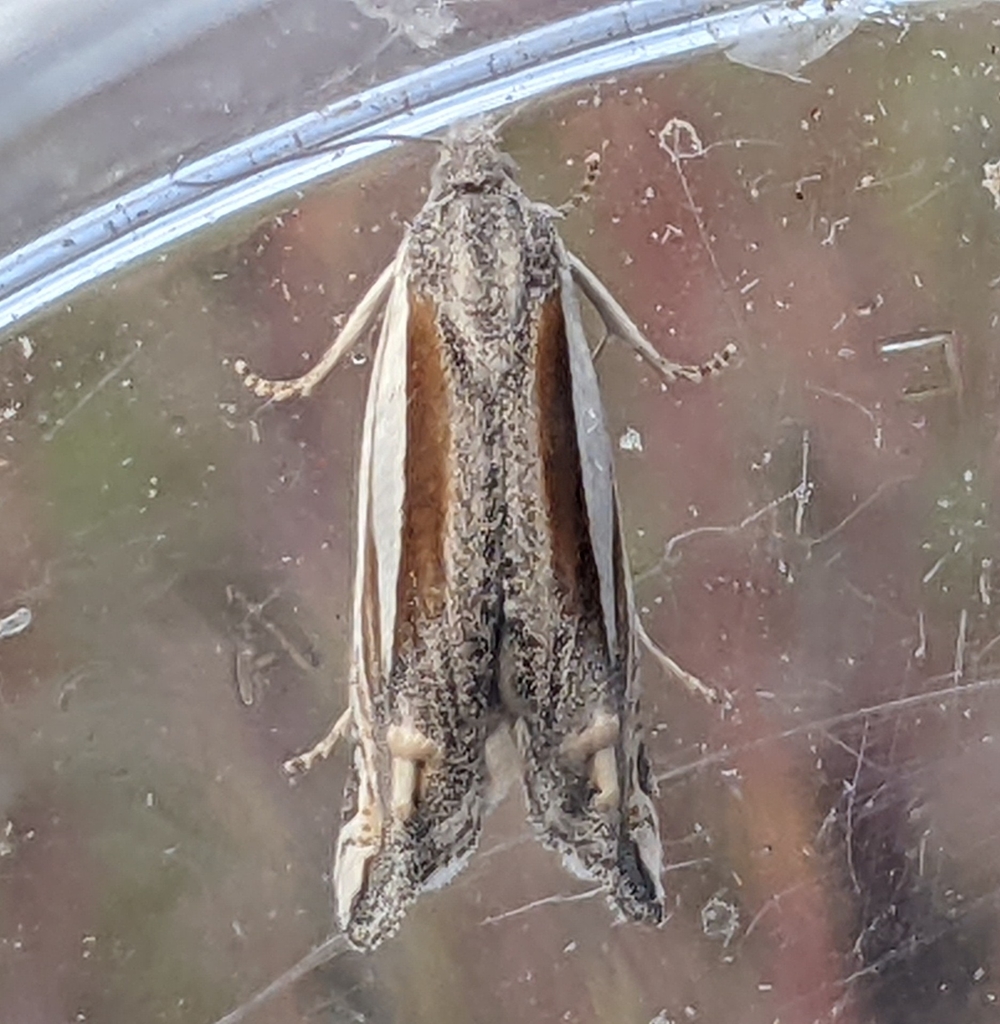
no rights reserved · CC0
Family: Tortricidae · Class: Insecta · Order: Lepidoptera
Eucosma grandiflavana is a California animal in the Tortricidae family.
Eucosma grandiflavana is a small moth in the family Tortricidae, commonly known as tortrix moths or leafroller moths. This species belongs to the genus Eucosma, which comprises numerous small moths distributed across North America. Adult moths typically measure 8 to 12 millimeters in wingspan, consistent with other members of the genus. The forewings display patterns characteristic of tortricids, though specific coloration and markings for this species require further documentation in the scientific literature. The distribution and range of Eucosma grandiflavana remain poorly documented in available taxonomic databases and species inventories. Based on limited collection records, the species appears to occur in western North America, potentially including California, though precise geographic boundaries have not been established. Many Eucosma species exhibit restricted distributions tied to specific host plant associations, suggesting this species may have similarly localized occurrence patterns. Habitat requirements for Eucosma grandiflavana are not well-characterized in the current literature. Most tortricid moths occupy diverse terrestrial habitats ranging from forests and woodlands to shrublands and grasslands. The larvae typically develop within or on plant tissues, often creating shelters by rolling or folding leaves, which gives the family its common name. Elevation preferences and specific vegetation associations for this species await detailed ecological study. The life cycle follows the typical lepidopteran pattern of complete metamorphosis, progressing through egg, larval, pupal, and adult stages. Tortricid larvae are generally herbivorous, feeding on leaves, stems, flowers, or fruits of their host plants. Adult moths are primarily nocturnal and may be attracted to artificial lights during evening hours. Specific host plant relationships for Eucosma grandiflavana have not been documented, though many congeners exhibit specialized associations with particular plant families or genera. Reproductive biology, including mating behaviors, flight periods, and voltinism (number of generations per year), requires investigation. The conservation status of Eucosma grandiflavana has not been formally assessed by federal or state wildlife agencies. The species does not appear on the U.S. Fish and Wildlife Service's Species of Concern list, nor is it tracked by the California Department of Fish and Wildlife's Special Animals List as of December 2025. This absence from conservation databases may reflect either stable populations or insufficient survey data rather than actual conservation security. Many small moth species remain poorly studied, with limited information about population trends, distribution, and ecological requirements. Climate change, habitat loss, and pesticide use represent potential threats to tortricid moths generally, though species-specific impacts on Eucosma grandiflavana cannot be evaluated without baseline population data. Further taxonomic work and ecological surveys are needed to better understand this species' biology, distribution, and conservation needs. The lack of comprehensive information highlights the challenges of documenting and protecting less-studied invertebrate species, particularly small moths that may play important ecological roles as herbivores and prey species in food webs.
Classification
Class: Insecta · Order: Lepidoptera · Family: Tortricidae
Frequently asked questions
How is Eucosma grandiflavana classified?
Eucosma grandiflavana belongs to class Insecta, order Lepidoptera, family Tortricidae.
What family does Eucosma grandiflavana belong to?
Eucosma grandiflavana is in the Tortricidae family.
What is Eucosma grandiflavana?
Eucosma grandiflavana is a small moth in the family Tortricidae, commonly known as tortrix moths or leafroller moths.
Is Eucosma grandiflavana found in California?
Yes. Eucosma grandiflavana is recorded in California in The California Species Project's catalogue.
Related species
Other California species in the same genus, family, or bioregion.
Data from The California Species Project — 14,000+ California species with verified data from CNPS, CDFW, USFWS, and more.