Eucosma ridingsana
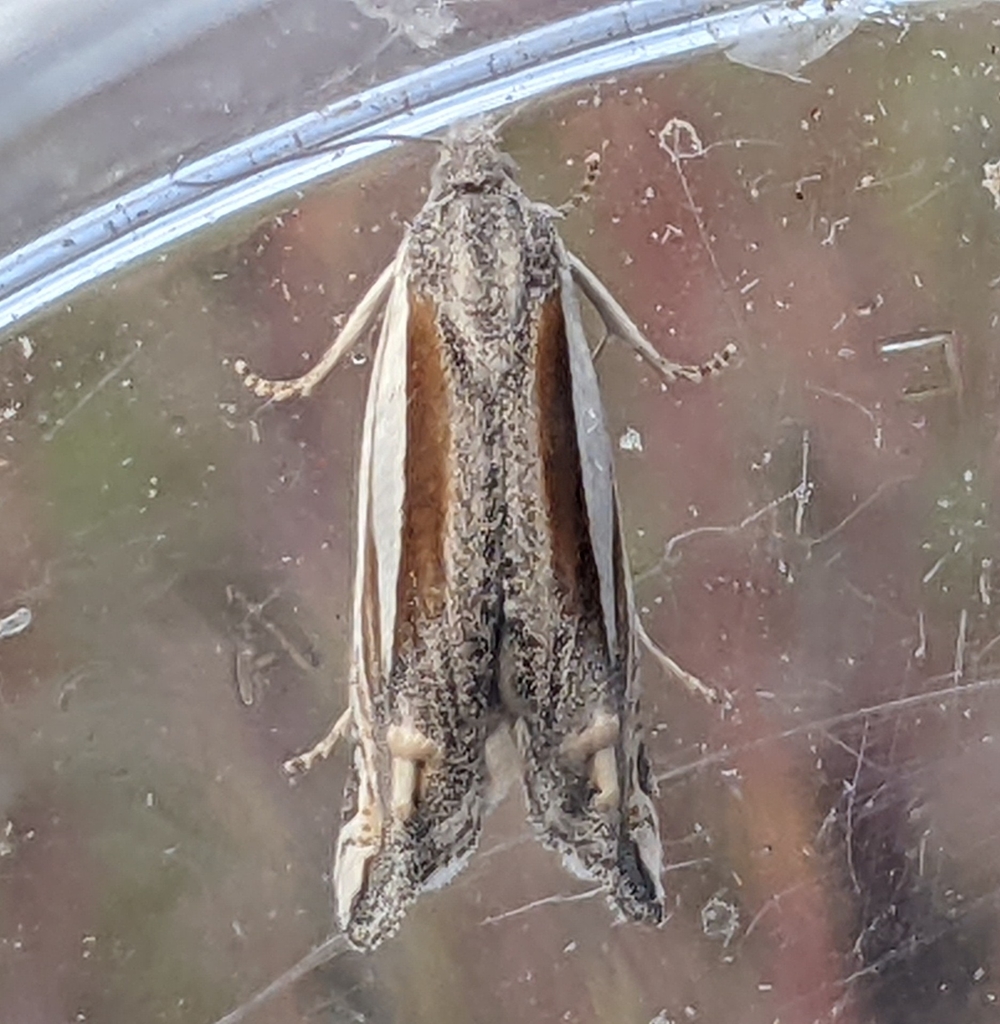
no rights reserved · CC0
Family: Tortricidae · Class: Insecta · Order: Lepidoptera
Eucosma ridingsana is a California animal in the Tortricidae family.
Eucosma ridingsana is a small moth species belonging to the family Tortricidae, commonly known as leafroller moths. This species represents one of numerous Eucosma moths found in western North America, though detailed morphological descriptions remain limited in the scientific literature. Like other members of the genus, adults likely measure 8-15 mm in wingspan, with forewings displaying the characteristic tortricid pattern of mottled brown, gray, and cream coloration that provides camouflage against tree bark and dried vegetation. The range and distribution of Eucosma ridingsana in California remains poorly documented in available databases and recent literature. The species appears to be part of the broader western North American Eucosma fauna, but specific county records and elevation ranges within California require further survey work to establish. Many Eucosma species occupy montane and foothill environments, suggesting this species may follow similar distributional patterns. Habitat requirements for Eucosma ridingsana are not well-established in current literature. Members of the genus Eucosma typically inhabit areas with their associated host plants, which often include various herbaceous perennials and shrubs. The larvae are internal feeders, boring into stems, roots, or seed heads of their host plants, creating characteristic feeding galleries. Adult moths are generally active during evening and nighttime hours, coming to artificial lights. The life cycle and behavioral ecology of Eucosma ridingsana follows the typical tortricid pattern of complete metamorphosis. Larvae likely feed internally within host plant tissues, pupating either within the feeding site or in nearby soil or plant debris. Adults probably emerge during specific seasonal periods, with timing dependent on elevation and local climate conditions. Mating occurs through chemical communication using species-specific pheromones, a common trait among tortricid moths. The conservation status of Eucosma ridingsana cannot be accurately assessed due to limited survey data and taxonomic uncertainty within the genus. Many small moth species remain understudied, with populations potentially declining due to habitat loss, pesticide use, and climate change impacts on host plant communities. The species lacks federal or state conservation listing status, likely reflecting insufficient data rather than population stability. Recent surveys focusing on microlepidoptera diversity in California ecosystems may provide updated information on this species' current status and distribution patterns. Further research is needed to establish definitive host plant relationships, habitat preferences, and population trends for Eucosma ridingsana. Standardized moth survey protocols in potential habitat areas could help clarify the species' current conservation needs and inform future management decisions. The species exemplifies the challenges facing invertebrate conservation, where limited baseline data hampers effective assessment of population trends and threats.
Classification
Class: Insecta · Order: Lepidoptera · Family: Tortricidae
Frequently asked questions
How is Eucosma ridingsana classified?
Eucosma ridingsana belongs to class Insecta, order Lepidoptera, family Tortricidae.
What family does Eucosma ridingsana belong to?
Eucosma ridingsana is in the Tortricidae family.
What is Eucosma ridingsana?
Eucosma ridingsana is a small moth species belonging to the family Tortricidae, commonly known as leafroller moths.
Is Eucosma ridingsana found in California?
Yes. Eucosma ridingsana is recorded in California in The California Species Project's catalogue.
Related species
Other California species in the same genus, family, or bioregion.
Data from The California Species Project — 14,000+ California species with verified data from CNPS, CDFW, USFWS, and more.