Eucosma smithiana
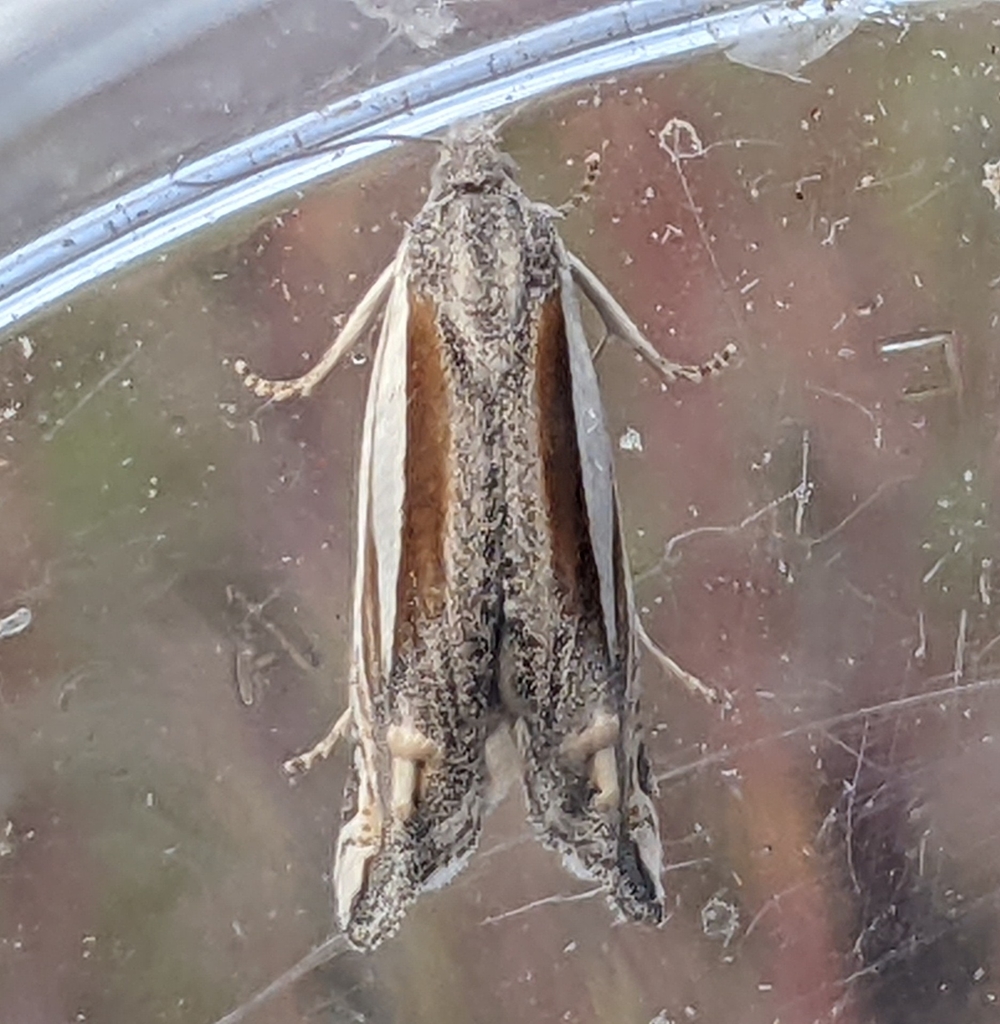
no rights reserved · CC0
Family: Tortricidae · Class: Insecta · Order: Lepidoptera
Eucosma smithiana is a California animal in the Tortricidae family.
Eucosma smithiana is a small moth in the family Tortricidae, commonly known as leafroller moths. This species belongs to a diverse group of microlepidoptera characterized by their typically triangular wing shape when at rest and their larvae's habit of feeding within rolled or folded leaves. As a member of the genus Eucosma, this moth likely measures 8 to 15 millimeters in wingspan, consistent with other species in this group. Tortricid moths typically display mottled brown, gray, or tan coloration that provides effective camouflage against tree bark and vegetation. The forewings are generally broader than the hindwings, with the characteristic bell-shaped or triangular silhouette when the moth is at rest with wings folded roof-like over the body. The distribution and range of Eucosma smithiana remain poorly documented in available literature. Many Eucosma species are known from limited geographic areas and specific host plant associations, suggesting this species may have a restricted range within California or the western United States. The genus Eucosma contains numerous species found throughout North America, with several endemic to specific regions or habitat types. Habitat requirements for Eucosma smithiana are not well-established, though other members of this genus typically inhabit areas where their specific host plants occur. Eucosma species are often associated with shrublands, woodland edges, grasslands, or riparian zones, depending on their larval host plant relationships. Many tortricid moths are found from sea level to moderate elevations, adapting to various vegetation communities. The life history and ecological behavior of Eucosma smithiana follow the typical tortricid pattern. Larvae likely develop as internal feeders, boring into stems, roots, or seed heads of their host plants, or creating shelters by rolling or folding leaves. Adult moths are generally active during warmer months, with flight periods varying by species and geographic location. Females deposit eggs on or near host plants, and the species likely completes one generation per year, though this varies among tortricid species. Like many microlepidoptera, Eucosma smithiana faces potential conservation challenges due to habitat modification and the loss of native plant communities. Many Eucosma species have specialized relationships with particular host plants, making them vulnerable to habitat fragmentation and the displacement of native vegetation by invasive species. The species' conservation status remains unassessed, reflecting the general lack of survey effort directed toward small moth species. Climate change may affect the distribution and phenology of both the moth and its host plants, potentially altering population dynamics. The limited available information about Eucosma smithiana highlights the need for systematic surveys of California's moth fauna. Many tortricid species remain poorly known, despite their ecological importance as herbivores and their role in food webs as prey for birds, spiders, and other predators. Further research is needed to determine this species' distribution, host plant associations, and conservation requirements.
Classification
Class: Insecta · Order: Lepidoptera · Family: Tortricidae
Frequently asked questions
How is Eucosma smithiana classified?
Eucosma smithiana belongs to class Insecta, order Lepidoptera, family Tortricidae.
What family does Eucosma smithiana belong to?
Eucosma smithiana is in the Tortricidae family.
What is Eucosma smithiana?
Eucosma smithiana is a small moth in the family Tortricidae, commonly known as leafroller moths.
Is Eucosma smithiana found in California?
Yes. Eucosma smithiana is recorded in California in The California Species Project's catalogue.
Related species
Other California species in the same genus, family, or bioregion.
Data from The California Species Project — 14,000+ California species with verified data from CNPS, CDFW, USFWS, and more.