Eudonia spenceri
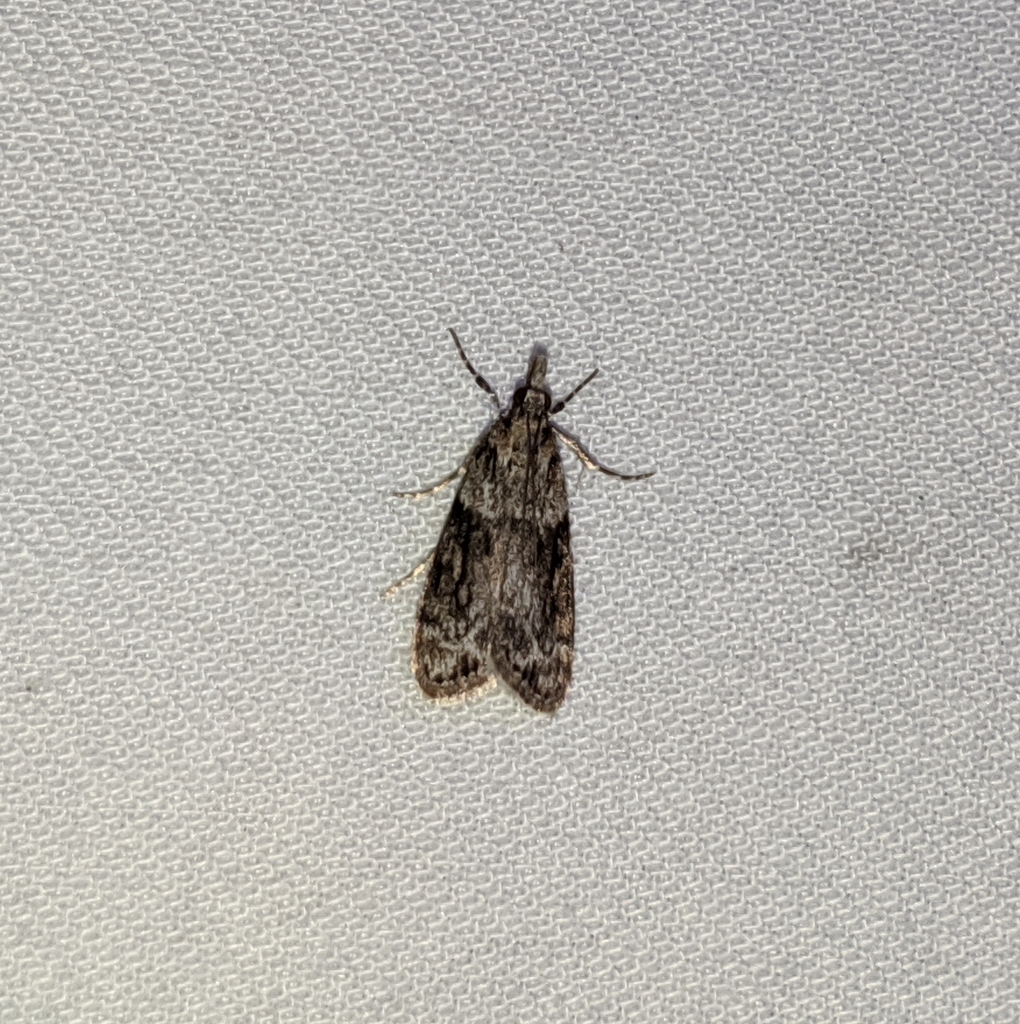
no rights reserved · CC0
Family: Crambidae · Class: Insecta · Order: Lepidoptera
Eudonia spenceri is a California animal in the Crambidae family.
Eudonia spenceri is a small crambid snout moth in the subfamily Scopariinae, first described by Munroe in 1972. This species has forewings measuring 8 to 9 millimeters (0.31 to 0.35 inches) in length, placing it among the smaller members of its genus (BugGuide). The genus Eudonia includes 18 species in America north of Mexico, with E. spenceri representing one of the more widely distributed western species. Eudonia spenceri occurs across a broad range of western North America, from California and Arizona north to Montana and British Columbia (BugGuide). Within this range, the species demonstrates considerable elevational tolerance, with documented occurrences from lower elevations in California to approximately 4,000 feet in Montana. The species has been recorded from multiple counties across its range, indicating a relatively stable distribution pattern for a small moth species. The habitat preferences of E. spenceri appear to encompass diverse vegetation types across its western range. Documented collections include specimens from various elevational zones, suggesting the species may utilize multiple plant communities. Like many crambid moths, E. spenceri is attracted to artificial lights, which has facilitated field documentation of the species (Moth Photographers Group). The species' presence across such a broad geographic and elevational range suggests considerable ecological flexibility. Adult flight periods for E. spenceri have been documented from May through October, with records from Santa Barbara County in May and July, and Montana specimens collected in July (Moth Photographers Group). This extended flight period may indicate multiple generations per year in warmer portions of the range, or a single extended emergence period in cooler regions. Adults are nocturnal and come readily to blacklight traps and other artificial light sources, which represents the primary method for field detection and study. The larval biology and host plant relationships of E. spenceri remain poorly documented in the scientific literature. Many crambid moths in the subfamily Scopariinae are associated with mosses, lichens, or decaying organic matter, but specific host plants for this species have not been definitively established. The lack of detailed biological information reflects the limited research attention given to many small moth species, despite their potential ecological importance as components of western ecosystems. Eudonia spenceri currently lacks formal conservation status designations at federal or state levels. The species' broad geographic distribution and presence across multiple habitat types suggest it may be relatively secure, though comprehensive population assessments have not been conducted. Climate change impacts on montane and desert habitats within the species' range could potentially affect local populations, but current population trends remain undocumented. Enhanced biological studies would improve understanding of this species' ecological role and conservation needs.
Classification
Class: Insecta · Order: Lepidoptera · Family: Crambidae
Frequently asked questions
How is Eudonia spenceri classified?
Eudonia spenceri belongs to class Insecta, order Lepidoptera, family Crambidae.
What family does Eudonia spenceri belong to?
Eudonia spenceri is in the Crambidae family.
What is Eudonia spenceri?
Eudonia spenceri is a small crambid snout moth in the subfamily Scopariinae, first described by Munroe in 1972.
Is Eudonia spenceri found in California?
Yes. Eudonia spenceri is recorded in California in The California Species Project's catalogue.
Related species
Other California species in the same genus, family, or bioregion.
Data from The California Species Project — 14,000+ California species with verified data from CNPS, CDFW, USFWS, and more.