Eugnosta busckana
Busck's Gallmoth
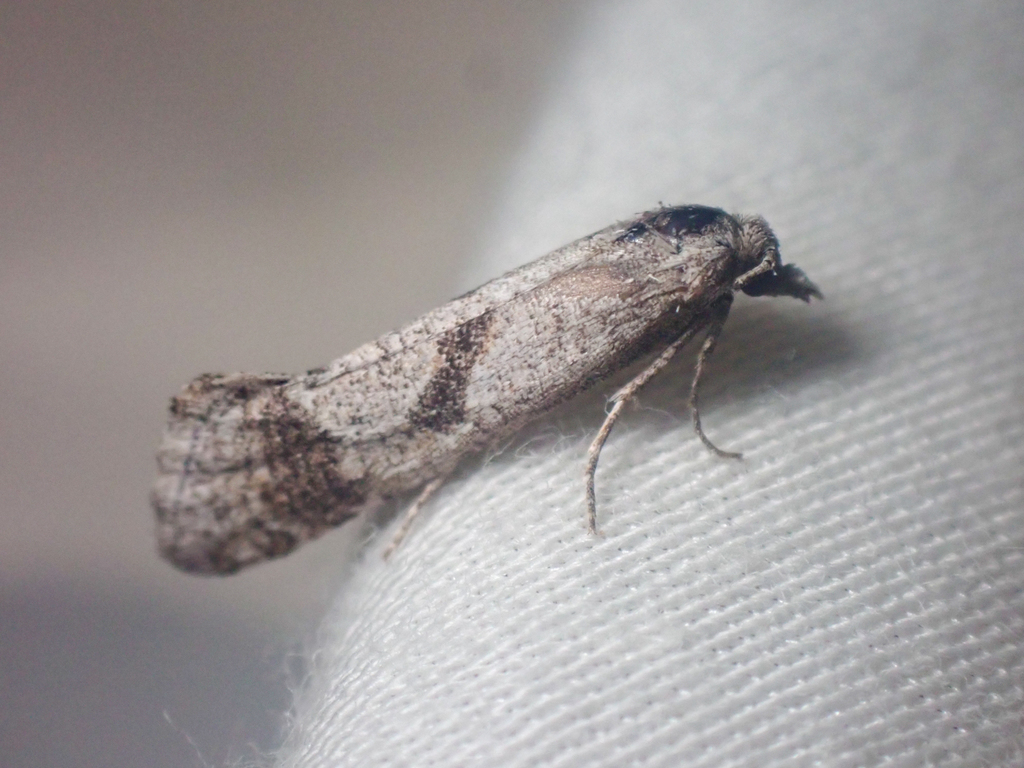
(c) Trevor Van Loon, some rights reserved (CC BY) · licence
Family: Tortricidae · Class: Insecta · Order: Lepidoptera
Conservation status: G1G3 S2S3
Eugnosta busckana (Busck's Gallmoth) is a California animal in the Tortricidae family.
Busck's Gallmoth (Eugnosta busckana) is a small moth in the family Tortricidae, formerly classified in the genus Carolella. This species was originally described by Comstock in 1939 and was historically catalogued as number 3790 in the Hodges checklist before taxonomic revision placed it in the genus Eugnosta (Moth Photographers Group). As with most tortricid moths, adults likely have a wingspan of 10-20 mm, though specific measurements for this species have not been documented in available literature. Busck's Gallmoth is endemic to California, where it occurs in a limited range. The species is found in coastal areas, with documented occurrences in Santa Barbara County. According to USFWS records, the species is known to occur in California counties, though the full extent of its historical and current distribution remains poorly documented. The habitat requirements and ecological preferences of Busck's Gallmoth have not been thoroughly studied or documented in available scientific literature. Like other tortricid moths, it likely inhabits areas with specific host plant associations, though the particular vegetation types and microhabitat requirements for this species remain unknown. The common name "gallmoth" suggests a potential association with gall-forming behaviors, though this has not been confirmed through research. The life history and behavioral ecology of Eugnosta busckana are not well documented in current literature. Most tortricid moths undergo complete metamorphosis with egg, larval, pupal, and adult stages. If the species does form galls as the common name suggests, larvae would likely develop within plant tissues, creating characteristic swellings or deformations. However, specific information about host plants, feeding behavior, seasonal activity patterns, and reproductive biology for this species has not been published. Busck's Gallmoth faces significant conservation concerns. NatureServe assigns the species a global rank of G1G3, indicating it is critically imperiled to vulnerable globally, and a state rank of S2S3 in California, meaning it is imperiled to vulnerable within the state (NatureServe Explorer). The species appears on USFWS species lists but currently has no federal listing status under the Endangered Species Act. The restricted range and apparently small population size make this species particularly vulnerable to habitat loss, environmental changes, and other anthropogenic impacts. The lack of detailed ecological information hampers conservation planning efforts. Scientific documentation for this species remains extremely limited. The information presented here is based on available sources including NatureServe Explorer, USFWS ECOS database, and the Moth Photographers Group taxonomic database. If you have additional verified information about this species' biology, distribution, or ecology, please contact us to help improve this species account.
Classification
Class: Insecta · Order: Lepidoptera · Family: Tortricidae
Conservation status
G1G3 S2S3
Frequently asked questions
How is Eugnosta busckana classified?
Eugnosta busckana belongs to class Insecta, order Lepidoptera, family Tortricidae.
What family does Eugnosta busckana belong to?
Eugnosta busckana is in the Tortricidae family.
Is Eugnosta busckana protected or of conservation concern?
Eugnosta busckana carries the following status: G1G3 S2S3.
What is Eugnosta busckana?
Busck's Gallmoth (Eugnosta busckana) is a small moth in the family Tortricidae, formerly classified in the genus Carolella.
Is Eugnosta busckana found in California?
Yes. Eugnosta busckana is recorded in California in The California Species Project's catalogue.
Related species
Other California species in the same genus, family, or bioregion.
Data from The California Species Project — 14,000+ California species with verified data from CNPS, CDFW, USFWS, and more.