Eupithecia agnesata
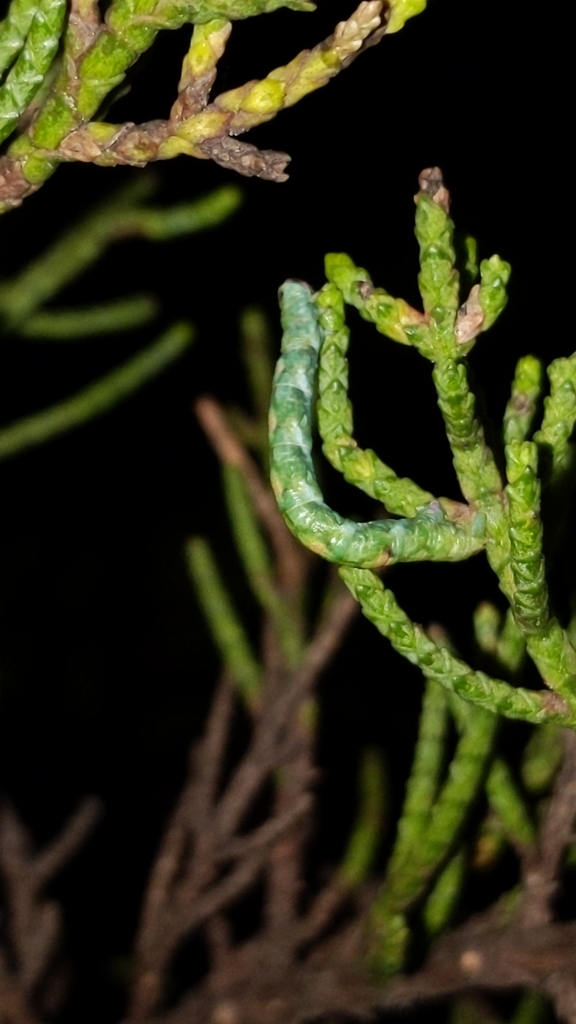
(c) Alan Rockefeller, some rights reserved (CC BY) · licence
Family: Geometridae · Class: Insecta · Order: Lepidoptera
Eupithecia agnesata is a California animal in the Geometridae family.
Eupithecia agnesata is a small moth species belonging to the family Geometridae, commonly known as geometer moths or inchworm moths. This species represents one of numerous Eupithecia species, a genus characterized by their typically small size and cryptic coloration patterns that provide effective camouflage against tree bark and foliage. Like other members of the genus Eupithecia, E. agnesata likely measures 15 to 25 mm in wingspan when adult wings are fully extended. Geometridae moths are distinguished by their thin bodies relative to their wingspan and their characteristic resting posture with wings held horizontally. The specific coloration and wing patterns of E. agnesata would typically consist of muted browns, grays, or earth tones with subtle banding or speckling that aids in concealment during daylight hours when the moths remain inactive. The range and distribution of Eupithecia agnesata appears to be poorly documented in readily accessible scientific literature. Many Eupithecia species have restricted ranges or occur in specific microhabitats, making comprehensive distribution mapping challenging. Without verified collection records or published range maps, the specific geographic extent of this species within California or North America cannot be definitively stated. Habitat preferences for E. agnesata are not well-documented in available sources, though most Eupithecia species occupy forested or shrubland environments where their larval host plants occur. Geometridae larvae, commonly called inchworms or loopers due to their distinctive locomotion, typically feed on the foliage of woody plants. The caterpillars move by extending their front segments, gripping with their front prolegs, then drawing their rear segments forward to form a loop. This feeding behavior often makes them significant herbivores in forest ecosystems. The ecology and life history of E. agnesata likely follows the general pattern of other Eupithecia species. Adults are primarily nocturnal and are attracted to artificial lights during their flight periods. Mating typically occurs at night, with females laying eggs on or near suitable host plants. The larvae develop through several instars before pupating, often in soil or leaf litter. Many Eupithecia species have one generation per year, though some may have multiple broods depending on climate and latitude. Adult flight periods vary by species but often coincide with the availability of larval food plants and favorable weather conditions. The conservation status of Eupithecia agnesata is not established in major conservation databases as of December 2025. The species does not appear on federal or state endangered species lists, nor is it assigned a conservation rank by NatureServe. This lack of conservation assessment may reflect limited taxonomic research, restricted distribution, or insufficient survey data rather than actual abundance. Many small moth species remain poorly studied, with basic ecological and distributional information lacking. Without adequate population data, habitat requirements, and threat assessments, the true conservation needs of E. agnesata cannot be determined. Further taxonomic verification, field surveys, and ecological research would be necessary to establish the species' conservation priority and develop appropriate management strategies if needed.
Classification
Class: Insecta · Order: Lepidoptera · Family: Geometridae
Frequently asked questions
How is Eupithecia agnesata classified?
Eupithecia agnesata belongs to class Insecta, order Lepidoptera, family Geometridae.
What family does Eupithecia agnesata belong to?
Eupithecia agnesata is in the Geometridae family.
What is Eupithecia agnesata?
Eupithecia agnesata is a small moth species belonging to the family Geometridae, commonly known as geometer moths or inchworm moths.
Is Eupithecia agnesata found in California?
Yes. Eupithecia agnesata is recorded in California in The California Species Project's catalogue.
Related species
Other California species in the same genus, family, or bioregion.
Data from The California Species Project — 14,000+ California species with verified data from CNPS, CDFW, USFWS, and more.