Eupithecia graefii
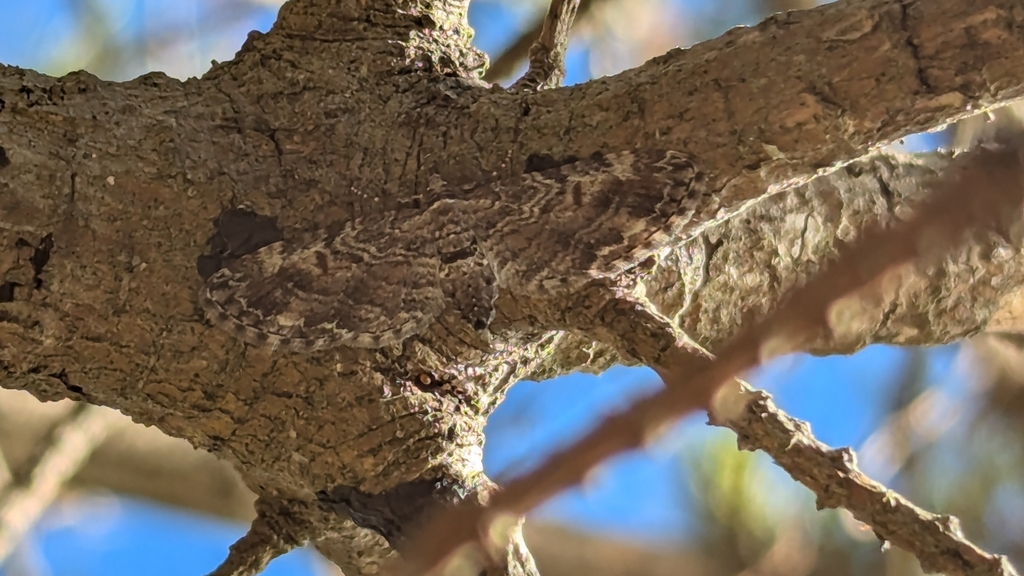
(c) Pete Lypkie, some rights reserved (CC BY) · licence
Family: Geometridae · Class: Insecta · Order: Lepidoptera
Eupithecia graefii is a California animal in the Geometridae family.
Eupithecia graefii is a small geometrid moth in the family Geometridae, subfamily Larentiinae. This species belongs to the diverse genus Eupithecia, commonly known as pug moths, which comprises over 1,400 described species worldwide. Like other members of this genus, E. graefii likely has a wingspan ranging from 15 to 25 millimeters, with forewings that are typically narrow and elongated. The wing patterns in Eupithecia species are generally cryptic, featuring subtle combinations of gray, brown, and white markings that provide effective camouflage against tree bark and lichen-covered surfaces. The distribution and range of Eupithecia graefii remain poorly documented in the scientific literature. Based on available taxonomic records, this species appears to be associated with western North America, though specific locality data and county-level distribution within California are not well established. The lack of comprehensive distributional data reflects the limited research attention given to many small moth species, particularly those in the speciose genus Eupithecia. Habitat preferences for E. graefii are not well documented, though members of the genus Eupithecia typically inhabit forested environments where their larval host plants occur. Pug moths generally prefer areas with diverse plant communities, as different species within the genus often specialize on specific host plant families. Elevation ranges and microhabitat requirements for this particular species have not been thoroughly studied or reported in the literature. The life history and ecological behavior of Eupithecia graefii follow the general patterns observed in related pug moths. Adults are nocturnal and are attracted to artificial lights during their flight period. Larvae are typically external feeders on flowers, fruits, or leaves of their host plants, though the specific host plant relationships for E. graefii have not been definitively established. Like other Eupithecia species, larvae likely undergo several molts before pupating, with pupation occurring in soil or leaf litter. The timing of adult emergence and number of generations per year remain unknown for this species. The conservation status of Eupithecia graefii has not been formally assessed by federal or state wildlife agencies. This species lacks federal listing status under the Endangered Species Act and is not included in California's list of species of special concern. The absence of conservation status designation likely reflects insufficient data on population trends, distribution, and threats rather than indicating the species is secure. Many small moth species face potential threats from habitat loss, pesticide use, and climate change, but the specific vulnerability of E. graefii to these factors has not been evaluated. The limited available information on this species highlights the need for additional taxonomic and ecological research to better understand its biology, distribution, and conservation needs within California's lepidopteran fauna.
Classification
Class: Insecta · Order: Lepidoptera · Family: Geometridae
Frequently asked questions
How is Eupithecia graefii classified?
Eupithecia graefii belongs to class Insecta, order Lepidoptera, family Geometridae.
What family does Eupithecia graefii belong to?
Eupithecia graefii is in the Geometridae family.
What is Eupithecia graefii?
Eupithecia graefii is a small geometrid moth in the family Geometridae, subfamily Larentiinae.
Is Eupithecia graefii found in California?
Yes. Eupithecia graefii is recorded in California in The California Species Project's catalogue.
Related species
Other California species in the same genus, family, or bioregion.
Data from The California Species Project — 14,000+ California species with verified data from CNPS, CDFW, USFWS, and more.