Eupithecia johnstoni
Johnston’s Eupithecia
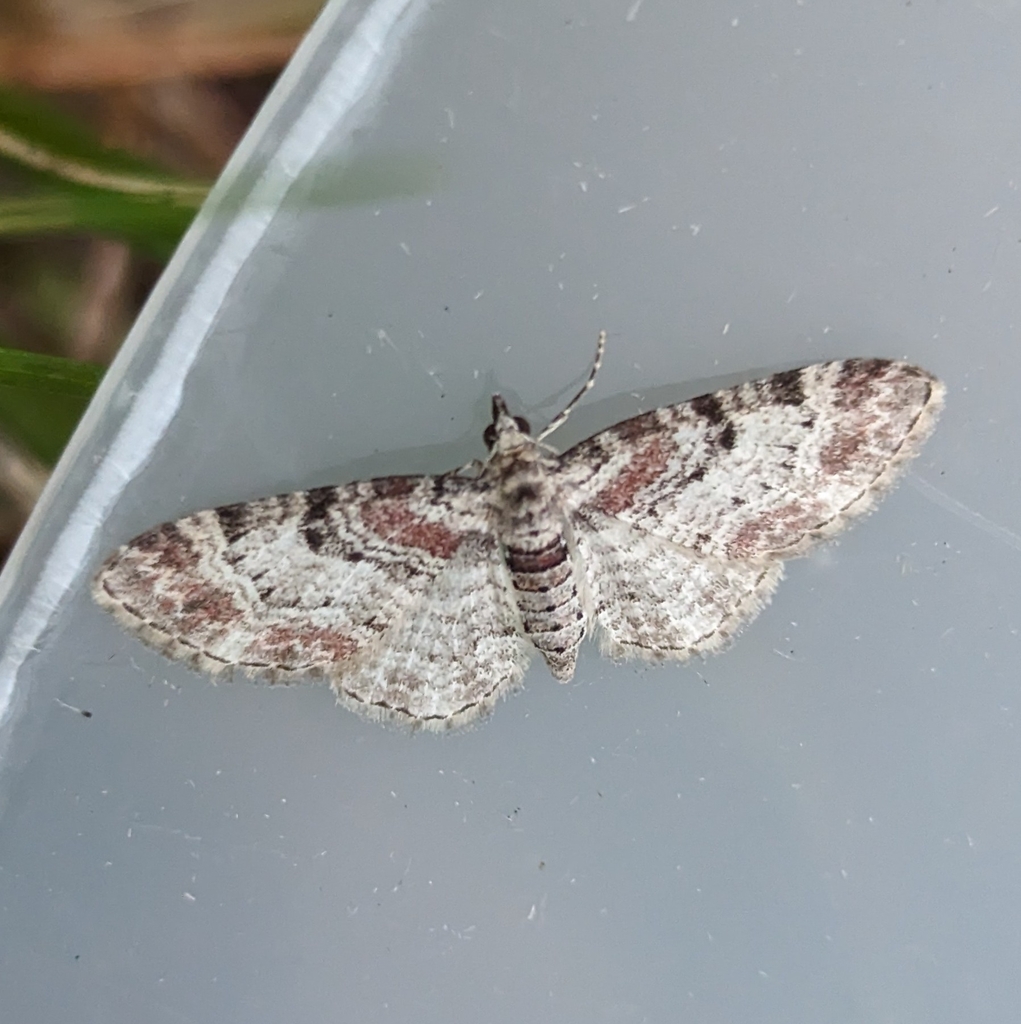
no rights reserved · CC0
Family: Geometridae · Class: Insecta · Order: Lepidoptera
Eupithecia johnstoni (Johnston’s Eupithecia) is a California animal in the Geometridae family.
Johnston's Eupithecia (Eupithecia johnstoni) is a small geometrid moth in the subfamily Larentiinae, tribe Eupitheciini. Like other members of the genus Eupithecia, commonly known as pugs, this species likely measures 15-25 mm in wingspan, though specific morphological details for E. johnstoni have not been well documented in available literature. The range and distribution of Eupithecia johnstoni remain poorly documented in scientific literature. The species has been recorded in multiple states as part of Species of Greatest Conservation Need lists, including Arkansas, New Mexico, and New York, suggesting a potentially broad but scattered distribution across North America. However, specific locality records and the extent of its California distribution, if any, require further documentation. Habitat preferences for this species have not been specifically described in available sources. Most Eupithecia species are associated with particular host plants and occupy diverse habitats ranging from forests to meadows, but the specific ecological requirements of E. johnstoni remain undocumented. The elevation range and vegetation associations preferred by this moth have not been reported in accessible literature. The behavior and ecology of Eupithecia johnstoni are largely unknown. As with other members of the genus, larvae likely feed on flowers and developing seeds of specific host plants, while adults are probably nocturnal and attracted to artificial lights. The flight period, number of broods per year, and specific host plant relationships have not been documented for this species. Most Eupithecia moths have specialized larval feeding habits, often restricted to particular plant families or genera, but this information is not available for E. johnstoni. The conservation status of Johnston's Eupithecia is not well established. The species appears on Species of Greatest Conservation Need lists in Arkansas, New Mexico, and New York, indicating potential conservation concern in these states. According to available documentation, species are included on these lists because they are rare, experiencing population decline, or because insufficient information exists to determine their conservation status. The lack of detailed ecological and distributional data for E. johnstoni suggests that knowledge gaps rather than documented rarity may be the primary factor in its inclusion on conservation priority lists. Scientific documentation for this species remains extremely limited despite searches of major databases and literature sources. The species lacks a comprehensive taxonomic description, detailed distribution records, or ecological studies in readily accessible scientific literature. This information gap is not uncommon among smaller Geometridae moths, many of which remain poorly studied despite being described decades ago. The absence of recent collection records or observational data makes it difficult to assess current population status or habitat requirements. Detailed ecological studies and systematic surveys are needed to better understand the distribution, habitat requirements, and conservation needs of Eupithecia johnstoni. We welcome contributions of verified scientific data, photographs, or field observations to enhance this species account.
Classification
Class: Insecta · Order: Lepidoptera · Family: Geometridae
Frequently asked questions
How is Eupithecia johnstoni classified?
Eupithecia johnstoni belongs to class Insecta, order Lepidoptera, family Geometridae.
What family does Eupithecia johnstoni belong to?
Eupithecia johnstoni is in the Geometridae family.
What is Eupithecia johnstoni?
Johnston's Eupithecia (Eupithecia johnstoni) is a small geometrid moth in the subfamily Larentiinae, tribe Eupitheciini.
Is Eupithecia johnstoni found in California?
Yes. Eupithecia johnstoni is recorded in California in The California Species Project's catalogue.
Related species
Other California species in the same genus, family, or bioregion.
Data from The California Species Project — 14,000+ California species with verified data from CNPS, CDFW, USFWS, and more.