Euthyatira semicircularis
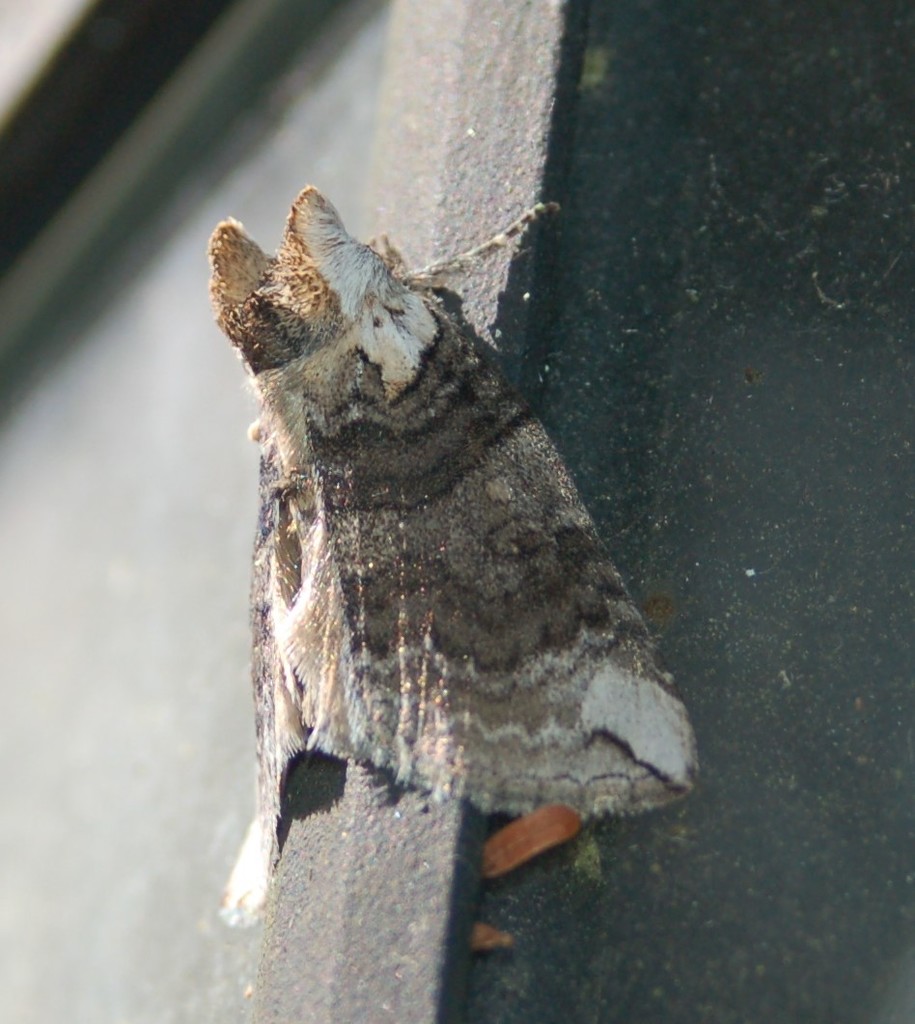
(c) David Anderson, some rights reserved (CC BY) · licence
Family: Thyatiridae · Class: Insecta · Order: Lepidoptera
Euthyatira semicircularis is a California animal in the Thyatiridae family.
Euthyatira semicircularis is a moth in the family Thyatiridae, a group characterized by their distinctive hook-tipped forewings. This species belongs to the subfamily Thyatirinae, commonly known as false owlet moths. Adult moths typically display muted coloration patterns with cryptic markings that provide camouflage during daylight hours when they rest on tree bark or vegetation. The range and distribution of Euthyatira semicircularis in California remains poorly documented in available databases. The species' occurrence in the state requires verification through systematic surveys and expert identification, as many drepanid moths are rarely collected and their distributions are incompletely known. Like other members of the family Thyatiridae, this species likely has a limited distribution tied to specific host plant associations and microhabitat requirements. Habitat preferences for Euthyatira semicircularis are not well-established in California. Members of the family Thyatiridae typically inhabit forested areas where their larval host plants occur. These moths generally prefer areas with adequate moisture and canopy cover that support both adult nectar sources and larval development sites. Elevation ranges and specific vegetation associations for this species in California have not been documented in available sources. The behavior and ecology of Euthyatira semicircularis follows patterns typical of the Thyatiridae family. Adults are nocturnal and attracted to artificial lights during their flight period. Mating likely occurs during nighttime hours, with females depositing eggs on or near larval host plants. The larval stage feeds on foliage, with caterpillars potentially exhibiting cryptic coloration and behavior to avoid predation. Development time from egg to adult and the number of generations per year have not been specifically documented for this species in California. Like many members of the Thyatirinae subfamily, larvae may feed on a restricted range of deciduous trees or shrubs, though specific host plant associations for Euthyatira semicircularis in California remain unknown. The timing of adult emergence and flight periods would correspond to host plant phenology and local climate conditions. No federal or state conservation listing status has been assigned to Euthyatira semicircularis in California. The species' conservation status cannot be adequately assessed due to insufficient data on population size, distribution, and trends. Many drepanid moths are naturally uncommon or have patchy distributions, making status determinations challenging without targeted surveys. Potential threats to this species would include habitat loss from forest management practices, urban development, and climate change effects on host plant distributions. The lack of basic ecological and distributional information represents a significant knowledge gap that hampers conservation planning efforts for this and other poorly known moth species in California.
Classification
Class: Insecta · Order: Lepidoptera · Family: Thyatiridae
Frequently asked questions
How is Euthyatira semicircularis classified?
Euthyatira semicircularis belongs to class Insecta, order Lepidoptera, family Thyatiridae.
What family does Euthyatira semicircularis belong to?
Euthyatira semicircularis is in the Thyatiridae family.
What is Euthyatira semicircularis?
Euthyatira semicircularis is a moth in the family Thyatiridae, a group characterized by their distinctive hook-tipped forewings.
Is Euthyatira semicircularis found in California?
Yes. Euthyatira semicircularis is recorded in California in The California Species Project's catalogue.
Related species
Other California species in the same genus, family, or bioregion.
Data from The California Species Project — 14,000+ California species with verified data from CNPS, CDFW, USFWS, and more.