Euura californica
Willow Apple Gall Sawfly
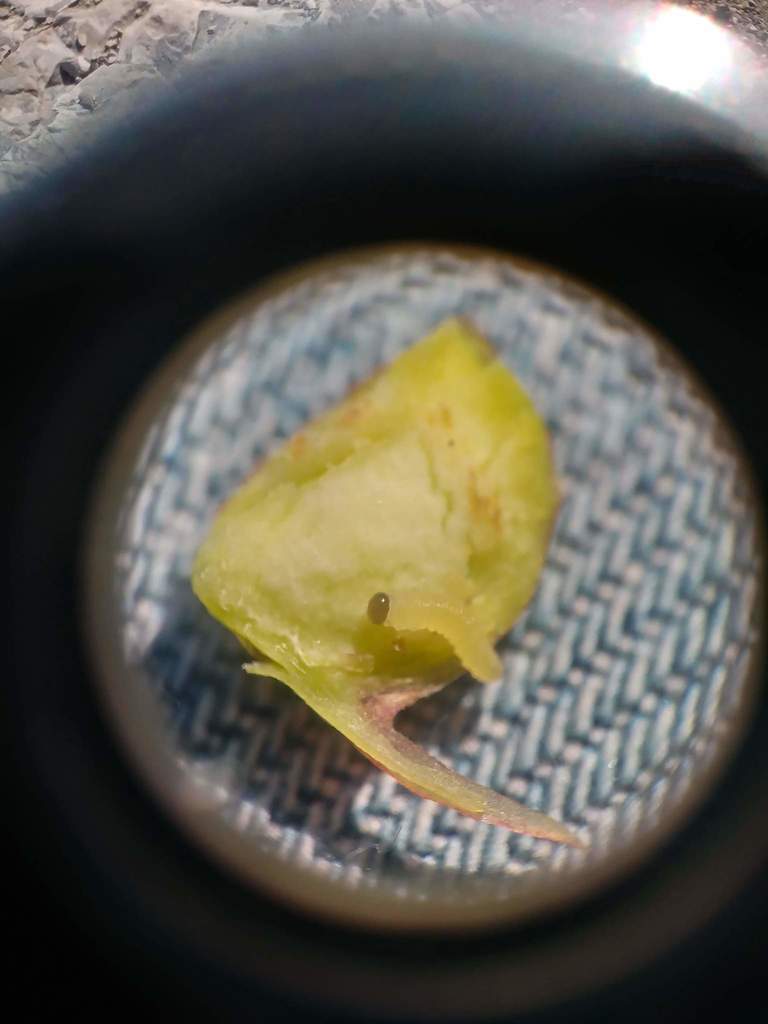
no rights reserved · CC0
Family: Tenthredinidae · Class: Insecta · Order: Hymenoptera
Euura californica (Willow Apple Gall Sawfly) is a California animal in the Tenthredinidae family.
The Willow Apple Gall Sawfly (Euura californica) is a small hymenopteran insect in the family Tenthredinidae, a group commonly known as sawflies. Adults are typically 4-8 mm in length with the characteristic sawfly body plan featuring a broad connection between the thorax and abdomen, distinguishing them from wasps and bees. Females possess a saw-like ovipositor used for cutting into plant tissue during egg-laying. The species exhibits typical tenthredinid coloration with dark bodies and transparent wings, though specific morphological details for this species remain poorly documented in the literature. Euura californica is endemic to California and western North America, with documented occurrences primarily in the state's mountainous and foothill regions. The species' distribution appears to be closely tied to the availability of suitable willow host plants, particularly in riparian corridors and moist woodland environments. Specific county-level distribution records are limited, reflecting the overall paucity of systematic surveys for this group of sawflies. The species inhabits riparian zones, streamside areas, and moist woodlands where willow species occur. These environments typically feature seasonal water availability and support diverse plant communities. Elevation preferences have not been well documented, though related Euura species often occupy mid-elevation sites between 300-2,000 meters where moisture conditions remain favorable for both the sawflies and their host plants. As with other gall-forming sawflies in the genus Euura, E. californica exhibits a specialized relationship with willow plants (Salix species). Females insert eggs into willow stems or twigs using their serrated ovipositor, and larval feeding induces the formation of distinctive apple-shaped galls. These galls provide both shelter and nutrition for the developing larvae. The galls typically appear as rounded swellings on willow branches and may house one to several larvae. Adult emergence timing likely coincides with optimal host plant conditions in spring or early summer, though specific phenological data for this species are lacking. Like other sawflies, larvae are caterpillar-like with multiple pairs of prolegs, distinguishing them from lepidopteran caterpillars. Euura californica currently holds no federal or state conservation listing status. The species' conservation status reflects both its apparent rarity and the general lack of comprehensive surveys for sawfly diversity in California. Primary potential threats include habitat modification affecting riparian corridors, water diversions that alter streamside plant communities, and invasive plant species that may compete with native willows. Climate change impacts on montane and foothill hydrology could also affect suitable habitat availability. Detailed ecological studies of this species are lacking, and much of the information about its biology must be inferred from related gall-forming Euura species. The taxonomy and species boundaries within the genus Euura require further investigation, as many species are distinguished primarily by host plant associations and gall morphology rather than adult morphological characters. We welcome contributions of verified scientific data, photographs, or field observations to enhance this species account.
Classification
Class: Insecta · Order: Hymenoptera · Family: Tenthredinidae
Frequently asked questions
How is Euura californica classified?
Euura californica belongs to class Insecta, order Hymenoptera, family Tenthredinidae.
What family does Euura californica belong to?
Euura californica is in the Tenthredinidae family.
What is Euura californica?
The Willow Apple Gall Sawfly (Euura californica) is a small hymenopteran insect in the family Tenthredinidae, a group commonly known as sawflies.
Is Euura californica found in California?
Yes. Euura californica is recorded in California in The California Species Project's catalogue.
Related species
Other California species in the same genus, family, or bioregion.
Data from The California Species Project — 14,000+ California species with verified data from CNPS, CDFW, USFWS, and more.