Euxoa olivalis
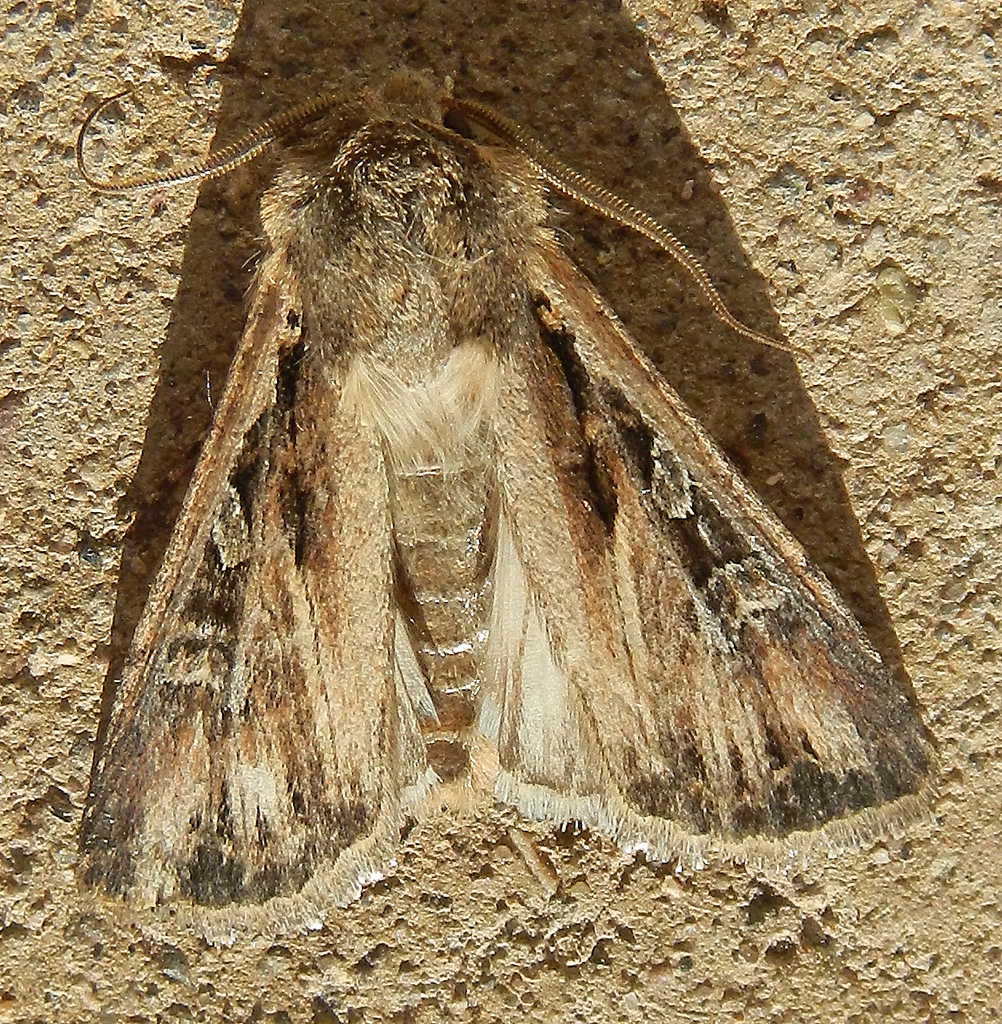
(c) Dawn Nelson, some rights reserved (CC BY) · licence
Family: Noctuidae · Class: Insecta · Order: Lepidoptera
Euxoa olivalis is a California animal in the Noctuidae family.
Euxoa olivalis is a moth species in the family Noctuidae, commonly known as cutworm moths or owlet moths. This nocturnal lepidopteran belongs to a genus of ground-dwelling moths whose larvae are typically subterranean feeders. The adult moth exhibits the characteristic features of the Euxoa genus, with forewings that are generally brown to gray in coloration with subtle patterning that provides camouflage during daytime rest periods. The hindwings are typically lighter, ranging from pale gray to whitish. Wing span measurements for Euxoa species generally range from 25 to 40 millimeters (1.0 to 1.6 inches), though specific measurements for E. olivalis require verification from taxonomic literature. The distribution and range of Euxoa olivalis within California remains poorly documented in readily accessible databases. The genus Euxoa contains numerous species distributed across western North America, with many species showing restricted ranges or endemic status to specific geographic regions. Several Euxoa species are known from California's diverse habitats, ranging from coastal areas to mountainous regions, but the specific range of E. olivalis requires clarification from specialized lepidopteran surveys and taxonomic resources. Habitat preferences for Euxoa olivalis are not well-documented in standard reference materials, though members of this genus typically inhabit areas with sandy or loose soils that facilitate larval development. Euxoa species generally occur in open habitats including grasslands, scrublands, and areas with sparse vegetation. Many species in this genus are associated with specific soil types and vegetation communities, with larvae developing in underground chambers where they feed on plant roots and organic matter. The life cycle of Euxoa olivalis follows the typical pattern of noctuidae moths, with adults emerging during specific flight periods that vary by species and geographic location. Adult moths are primarily active during nighttime hours and may be attracted to artificial lights. Larvae, commonly called cutworms, develop underground where they feed on roots, underground plant parts, and organic debris. The larval stage typically represents the longest portion of the life cycle, with pupation occurring in soil chambers. Specific details regarding flight periods, host plant associations, and reproductive behavior for E. olivalis are not readily available in standard reference databases. The conservation status of Euxoa olivalis is not clearly established, as the species lacks formal federal or state listing status in available databases. Many moths in the genus Euxoa face potential threats from habitat loss, agricultural practices that alter soil conditions, and urban development that eliminates suitable breeding habitat. The taxonomic status and distribution of some Euxoa species remain incompletely understood, highlighting the need for additional survey work and taxonomic research. Without comprehensive distribution data and population assessments, the conservation needs of E. olivalis cannot be adequately evaluated.
Classification
Class: Insecta · Order: Lepidoptera · Family: Noctuidae
Frequently asked questions
How is Euxoa olivalis classified?
Euxoa olivalis belongs to class Insecta, order Lepidoptera, family Noctuidae.
What family does Euxoa olivalis belong to?
Euxoa olivalis is in the Noctuidae family.
What is Euxoa olivalis?
Euxoa olivalis is a moth species in the family Noctuidae, commonly known as cutworm moths or owlet moths.
Is Euxoa olivalis found in California?
Yes. Euxoa olivalis is recorded in California in The California Species Project's catalogue.
Related species
Other California species in the same genus, family, or bioregion.
Data from The California Species Project — 14,000+ California species with verified data from CNPS, CDFW, USFWS, and more.