Evergestis subterminalis
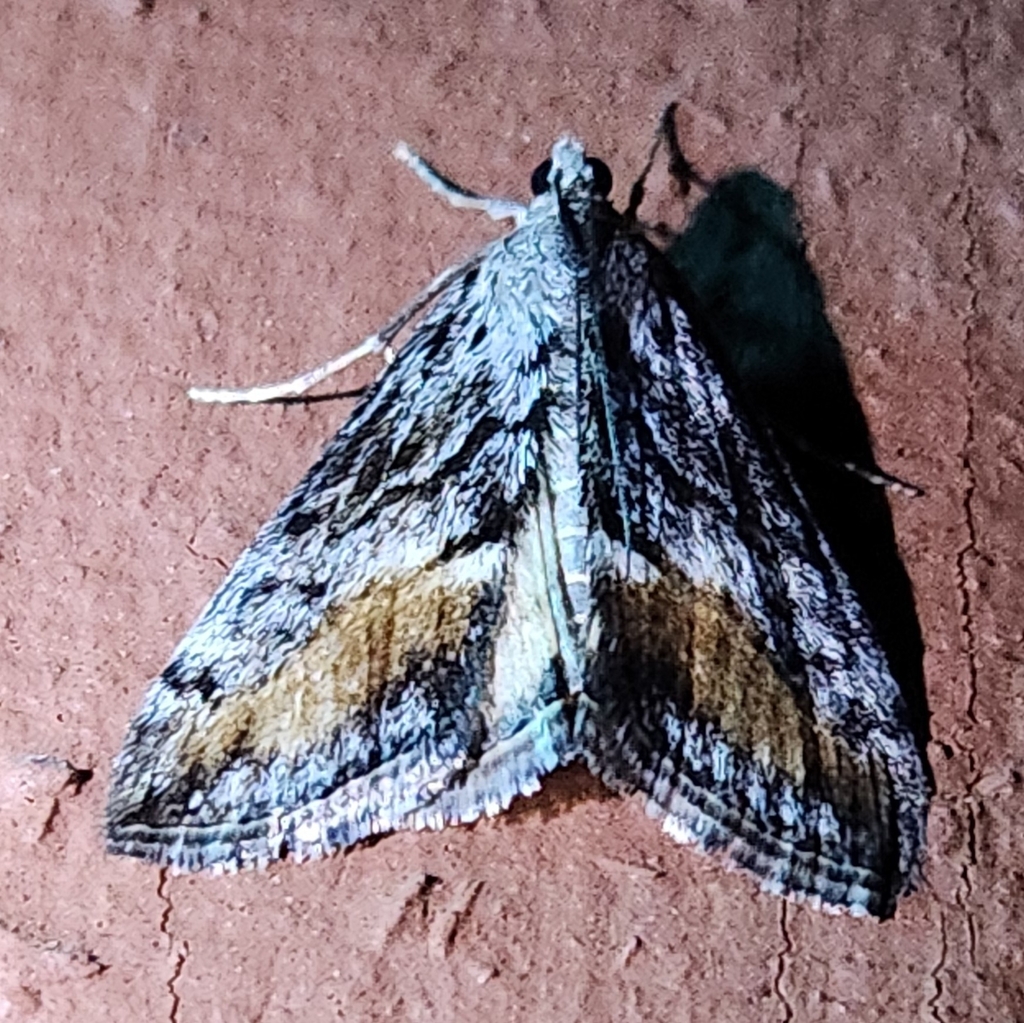
(c) Jackie T, some rights reserved (CC BY) · licence
Family: Crambidae · Class: Insecta · Order: Lepidoptera
Evergestis subterminalis is a California animal in the Crambidae family.
Evergestis subterminalis is a small moth in the family Crambidae, commonly known as grass moths or snout moths. This species belongs to a genus of pyraloid moths that are typically associated with cruciferous plants. Adults have forewings measuring approximately 8 to 12 mm in length, with wingspans ranging from 16 to 24 mm. The forewings display a pale grayish-brown to buff coloration with distinctive darker markings, including a characteristic subterminal line that gives the species its name. The hindwings are typically lighter, appearing whitish to pale gray with reduced markings. The distribution of Evergestis subterminalis in North America includes western regions, with documented occurrences in California. However, detailed range information for this species remains limited in published literature. The species appears to have a scattered distribution pattern typical of many specialized lepidopterans, with populations likely concentrated in areas where suitable host plants occur. California records suggest the species may be present in multiple bioregions, though comprehensive surveys are needed to establish precise boundaries. Evergestis subterminalis inhabits areas where cruciferous plants are abundant, including both natural and disturbed habitats. The species shows preference for open to semi-open environments such as grasslands, meadows, agricultural margins, and waste areas where Brassicaceae family plants thrive. Elevation ranges for California populations have not been precisely documented, though related species in the genus typically occur from sea level to moderate elevations in montane areas. The larval stage feeds on various members of the mustard family (Brassicaceae), with caterpillars typically boring into stems, roots, or seed pods of their host plants. Common host genera may include Brassica, Lepidium, and other native and introduced crucifers, though specific host plant relationships for this species require further documentation. Adults are primarily nocturnal and are attracted to lights, making them occasionally encountered at moth surveys and collecting events. Flight periods likely span multiple generations per year in California's mild climate, with peak activity during warmer months. Like many native Crambidae species, Evergestis subterminalis exhibits seasonal activity patterns synchronized with host plant availability. Mating and oviposition behaviors follow typical pyraloid patterns, with females depositing eggs on or near suitable host plants. Development from egg to adult likely requires 30 to 60 days under favorable conditions, allowing for multiple generations annually in appropriate climates. The conservation status of Evergestis subterminalis has not been formally assessed at federal or state levels. The species lacks formal conservation ranking, reflecting the limited ecological data available for many smaller lepidopterans. As with numerous native moth species, potential threats may include habitat loss, pesticide use in agricultural areas, and competition from invasive plant species that could displace native crucifers. The species' dependence on Brassicaceae host plants makes it vulnerable to landscape changes that reduce availability of these plants. Further research is needed to establish population trends, habitat requirements, and conservation needs for this species.
Classification
Class: Insecta · Order: Lepidoptera · Family: Crambidae
Frequently asked questions
How is Evergestis subterminalis classified?
Evergestis subterminalis belongs to class Insecta, order Lepidoptera, family Crambidae.
What family does Evergestis subterminalis belong to?
Evergestis subterminalis is in the Crambidae family.
What is Evergestis subterminalis?
Evergestis subterminalis is a small moth in the family Crambidae, commonly known as grass moths or snout moths.
Is Evergestis subterminalis found in California?
Yes. Evergestis subterminalis is recorded in California in The California Species Project's catalogue.
Related species
Other California species in the same genus, family, or bioregion.
Data from The California Species Project — 14,000+ California species with verified data from CNPS, CDFW, USFWS, and more.