Exaeretia canella
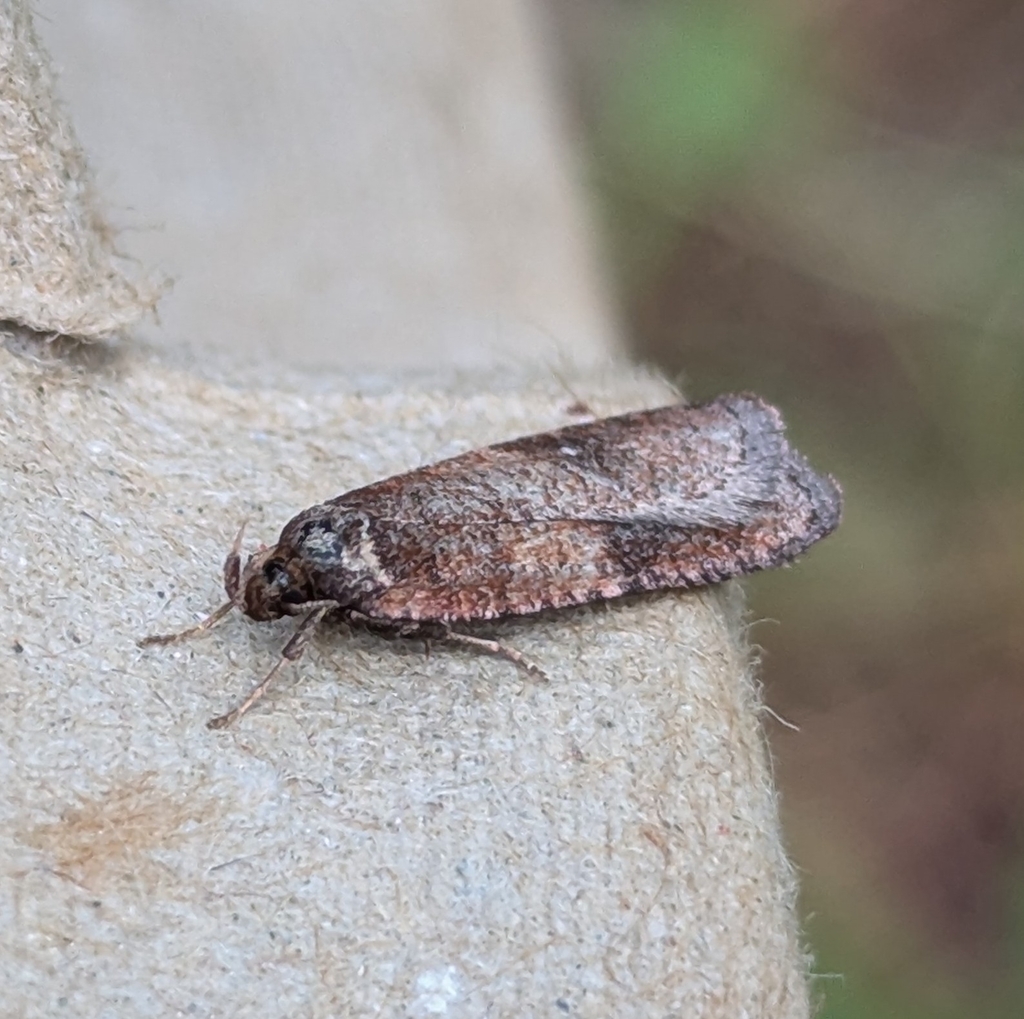
no rights reserved · CC0
Family: Depressariidae · Class: Insecta · Order: Lepidoptera
Exaeretia canella is a California animal in the Depressariidae family.
Exaeretia canella is a small moth in the family Depressariidae, one of the microlepidoptera groups characterized by narrow wings and reduced wing venation. As with most members of this family, adults likely have a wingspan measuring 8 to 12 mm, with forewings typically elongate and pointed at the apex. The specific wing coloration and patterning of E. canella have not been extensively documented in accessible literature, though elachistid moths generally display subdued colors ranging from pale yellow to dark brown, often with metallic scales that create a subtle sheen. The geographic distribution of Exaeretia canella appears to be restricted to California, though comprehensive range data are limited. The species has been recorded from scattered localities within the state, but the full extent of its historical and current distribution remains poorly documented. Like many microlepidoptera, this species may have a fragmented distribution tied to the availability of specific host plants and suitable microhabitat conditions. Habitat requirements for E. canella are not well-established in the literature, though members of the genus Exaeretia are typically associated with arid and semi-arid environments. The species likely inhabits areas with native shrubland vegetation, possibly including coastal sage scrub, chaparral, or desert scrub communities. Elevation preferences and specific microhabitat requirements have not been documented, but related species often show narrow habitat tolerances linked to larval host plant distributions. The life history and ecological characteristics of Exaeretia canella remain largely unknown. As with other elachistid moths, larvae are presumed to be leaf miners, feeding within the tissue of host plant leaves and creating characteristic mining patterns. The larval host plants for this species have not been definitively identified, though other Exaeretia species are known to utilize various shrubs and herbaceous plants. Adult flight periods, mating behaviors, and overwintering stages have not been documented. The species likely completes one or possibly two generations per year, depending on climatic conditions and host plant phenology. Exaeretia canella lacks formal conservation status designations at both federal and state levels. The apparent rarity of records and limited distributional data suggest this species may be naturally uncommon or may face population pressures from habitat loss and fragmentation. California's Mediterranean climate regions have experienced significant urban development, agriculture conversion, and altered fire regimes that could impact native moth communities. Climate change poses additional threats through shifts in temperature and precipitation patterns that may affect both the species and its potential host plants. The lack of basic biological and ecological information represents a significant knowledge gap that hampers conservation assessment and planning efforts for this and other poorly studied microlepidoptera species.
Classification
Class: Insecta · Order: Lepidoptera · Family: Depressariidae
Frequently asked questions
How is Exaeretia canella classified?
Exaeretia canella belongs to class Insecta, order Lepidoptera, family Depressariidae.
What family does Exaeretia canella belong to?
Exaeretia canella is in the Depressariidae family.
What is Exaeretia canella?
Exaeretia canella is a small moth in the family Depressariidae, one of the microlepidoptera groups characterized by narrow wings and reduced wing venation.
Is Exaeretia canella found in California?
Yes. Exaeretia canella is recorded in California in The California Species Project's catalogue.
Related species
Other California species in the same genus, family, or bioregion.
Data from The California Species Project — 14,000+ California species with verified data from CNPS, CDFW, USFWS, and more.