Exaeretia thoracefasciella
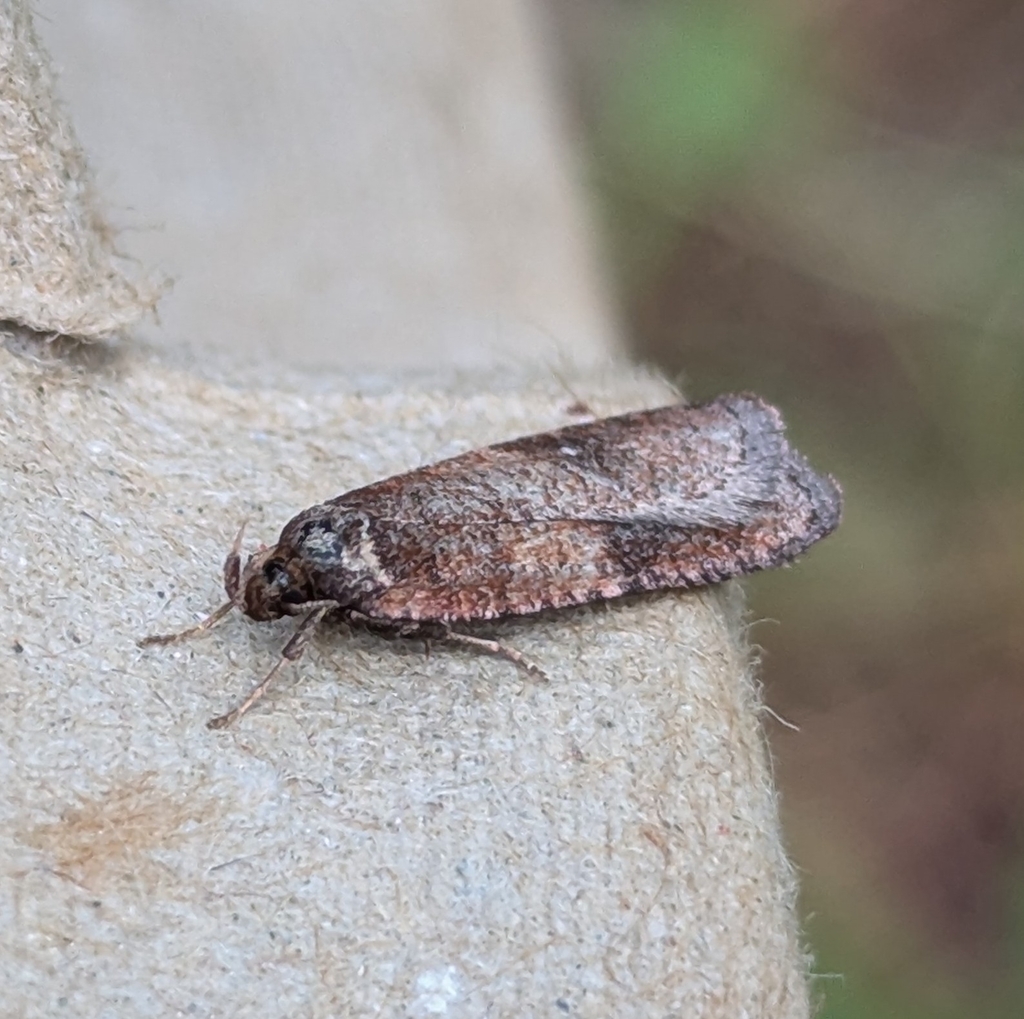
no rights reserved · CC0
Family: Depressariidae · Class: Insecta · Order: Lepidoptera
Exaeretia thoracefasciella is a California animal in the Depressariidae family.
Exaeretia thoracefasciella is a small moth in the family Depressariidae, a group commonly known as grass miner moths. This species belongs to a genus of microlepidoptera that are typically characterized by narrow forewings and reduced hindwings, though specific morphological details for E. thoracefasciella are not well-documented in the literature. Like other Depressariidae, adults likely measure 4-8 mm in wingspan, with forewings that may display subtle patterns of brown, gray, or metallic scales. The range and distribution of Exaeretia thoracefasciella remain poorly documented. The species appears to be known from California, though specific county records and the extent of its historical versus current range are not established in readily available taxonomic literature. Many Depressariidae have restricted distributions tied closely to their host plant associations, suggesting this species may have a limited geographic range within the state. Habitat requirements for E. thoracefasciella are not specifically documented, though members of the genus Exaeretia are typically associated with arid or semi-arid environments in western North America. These moths often inhabit areas where their host plants occur, which may include grasslands, shrublands, or desert margins. The specific elevation range and microhabitat preferences for this species remain unknown. Like other Depressariidae, the larvae of E. thoracefasciella likely function as internal feeders, mining within plant tissues such as leaves, stems, or seed heads. The specific host plant relationships, larval feeding behavior, and life cycle timing are not documented in available literature. Adult flight periods and reproductive biology remain unknown for this species. Many related species are univoltine (single-brooded annually) with larvae developing during specific seasons when host plants are available. Exaeretia thoracefasciella lacks formal conservation status designations at federal, state, or international levels. The absence of status rankings may reflect insufficient data rather than stable populations. Many microlepidoptera species face conservation challenges due to their specialized host plant requirements, limited dispersal abilities, and sensitivity to habitat modification. Without documented population data, distribution records, or threat assessments, the conservation needs of this species cannot be properly evaluated. The limited available information about E. thoracefasciella highlights the need for additional taxonomic research and field surveys to document California's microlepidoptera fauna. Many small moth species remain poorly studied, with basic ecological and distributional data lacking. Comprehensive surveys targeting microlepidoptera in California ecosystems would likely reveal additional information about this species' distribution, habitat requirements, and conservation status. Until such research is conducted, E. thoracefasciella remains one of many understudied components of California's lepidopteran diversity.
Classification
Class: Insecta · Order: Lepidoptera · Family: Depressariidae
Frequently asked questions
How is Exaeretia thoracefasciella classified?
Exaeretia thoracefasciella belongs to class Insecta, order Lepidoptera, family Depressariidae.
What family does Exaeretia thoracefasciella belong to?
Exaeretia thoracefasciella is in the Depressariidae family.
What is Exaeretia thoracefasciella?
Exaeretia thoracefasciella is a small moth in the family Depressariidae, a group commonly known as grass miner moths.
Is Exaeretia thoracefasciella found in California?
Yes. Exaeretia thoracefasciella is recorded in California in The California Species Project's catalogue.
Related species
Other California species in the same genus, family, or bioregion.
Data from The California Species Project — 14,000+ California species with verified data from CNPS, CDFW, USFWS, and more.