Exaeretia thoracenigraeella
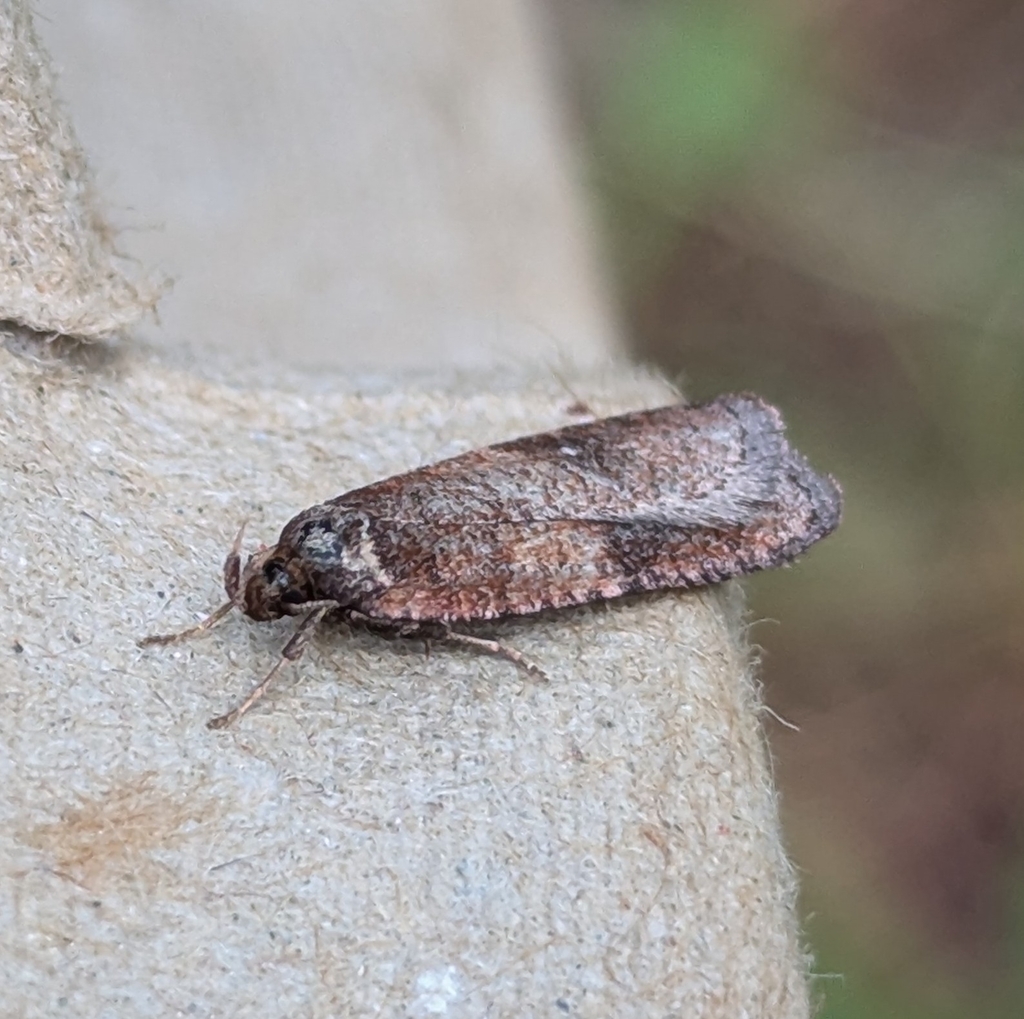
no rights reserved · CC0
Family: Depressariidae · Class: Insecta · Order: Lepidoptera
Exaeretia thoracenigraeella is a California animal in the Depressariidae family.
Exaeretia thoracenigraeella is a small moth in the family Depressariidae, a group of microlepidoptera commonly known as grass miner moths. This species belongs to the order Lepidoptera within the class Insecta. Members of the genus Exaeretia are typically characterized by narrow forewings and distinctive wing patterns, though specific morphological details for E. thoracenigraeella are not well-documented in current literature. The precise distribution and range of Exaeretia thoracenigraeella remain poorly defined in available records. The species appears to be associated with western North America, though comprehensive range maps and occurrence data are limited. Like many microlepidoptera, this species likely has a restricted geographic distribution that may include portions of California, though specific county-level occurrence records require further documentation. Habitat requirements for E. thoracenigraeella are not well-established in current scientific literature. Members of the family Depressariidae typically inhabit areas where their host plants occur, often in grasslands, coastal scrub, or other open habitats. The larvae of many Depressariidae species are leaf miners or stem borers, creating characteristic feeding patterns in their host plants. Without confirmed host plant associations, the specific microhabitat requirements for this species remain uncertain. The life history and ecological characteristics of Exaeretia thoracenigraeella are poorly documented. Like other Depressariidae, this species likely undergoes complete metamorphosis with egg, larval, pupal, and adult stages. The timing of flight periods, number of generations per year, and specific reproductive behaviors have not been thoroughly studied or reported in accessible scientific literature. Adult moths in this family are typically active during specific seasonal periods, often with peak activity occurring during warmer months. The conservation status of Exaeretia thoracenigraeella has not been formally evaluated by federal or state agencies. The species does not appear on current endangered species lists or conservation priority rankings. This lack of conservation assessment likely reflects the limited knowledge about the species' distribution, population status, and ecological requirements rather than confirmed population stability. Many microlepidoptera remain understudied, with insufficient data to assess conservation needs. The absence of comprehensive surveys and taxonomic research for small moth species creates significant knowledge gaps that impede conservation planning efforts. Further research is needed to establish basic biological and ecological information for E. thoracenigraeella, including confirmed identification keys, host plant associations, geographic range, habitat preferences, and population status. Such information would be essential for any future conservation assessments or management considerations.
Classification
Class: Insecta · Order: Lepidoptera · Family: Depressariidae
Frequently asked questions
How is Exaeretia thoracenigraeella classified?
Exaeretia thoracenigraeella belongs to class Insecta, order Lepidoptera, family Depressariidae.
What family does Exaeretia thoracenigraeella belong to?
Exaeretia thoracenigraeella is in the Depressariidae family.
What is Exaeretia thoracenigraeella?
Exaeretia thoracenigraeella is a small moth in the family Depressariidae, a group of microlepidoptera commonly known as grass miner moths.
Is Exaeretia thoracenigraeella found in California?
Yes. Exaeretia thoracenigraeella is recorded in California in The California Species Project's catalogue.
Related species
Other California species in the same genus, family, or bioregion.
Data from The California Species Project — 14,000+ California species with verified data from CNPS, CDFW, USFWS, and more.