Felis catus
Feral Cat
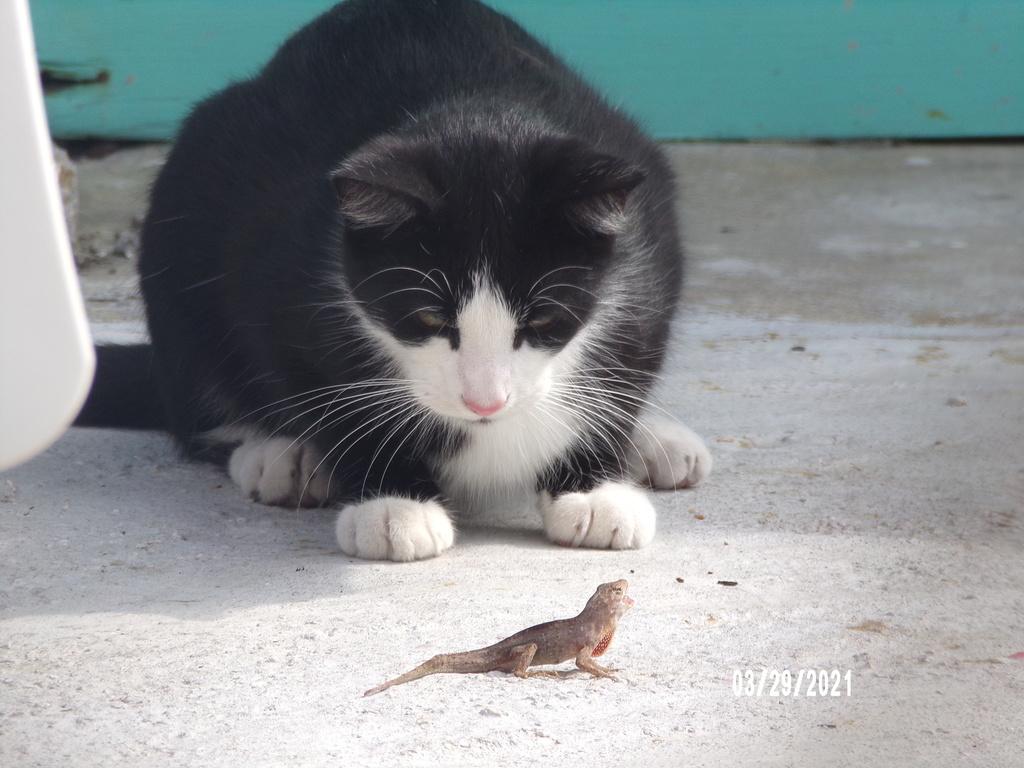
(c) chloe ⋆˚꩜。, some rights reserved (CC BY-SA) · licence
Family: Felidae · Class: Mammalia · Order: Carnivora
Felis catus (Feral Cat) is a California animal in the Felidae family.
The feral cat (Felis catus) is a small carnivorous mammal representing domestic cats that have reverted to a wild state or are born in the wild without human socialization. Adult feral cats typically measure 46 to 51 cm (18 to 20 inches) in body length with tails adding another 30 cm (12 inches). Weight ranges from 3.6 to 4.5 kg (8 to 10 pounds) for males and 2.7 to 3.6 kg (6 to 8 pounds) for females. Coat coloration varies widely, including solid colors, tabby patterns, calico, and tortoiseshell combinations. The skull is shorter and broader than that of wild felids, with a more pronounced stop between the forehead and muzzle. Feral cats occur throughout California in virtually every habitat type, from urban centers to remote wilderness areas. Populations are established in all 58 counties, with highest densities typically found near human settlements where food sources are abundant. The species has colonized islands off the California coast, including the Channel Islands, where they pose significant threats to native seabird colonies. Feral cats demonstrate extensive habitat adaptability, occupying environments ranging from sea level to elevations exceeding 3,000 meters (10,000 feet). They utilize diverse microhabitats including abandoned buildings, dense vegetation, rock outcrops, storm drains, and areas beneath structures. In agricultural regions, they commonly inhabit barns, equipment yards, and areas near livestock facilities. Desert populations often concentrate around water sources and areas with adequate shelter. Feral cats are primarily crepuscular and nocturnal hunters, though activity patterns vary with prey availability and human disturbance. They are obligate carnivores with a diet consisting predominantly of small mammals, birds, reptiles, amphibians, and insects. Research indicates that free-ranging cats in North America kill between 1.3 to 4.0 billion birds annually and 6.3 to 22.3 billion mammals. Females reach sexual maturity at 4 to 5 months and can produce 2 to 3 litters annually, with gestation lasting approximately 64 days. Litter sizes range from 1 to 9 kittens, averaging 3 to 5. Feral cats are not protected under federal or California state wildlife laws, as they are considered non-native domestic animals rather than wildlife. However, they represent one of the most significant anthropogenic threats to native wildlife populations. Studies document feral cats as contributing factors in the extinction of at least 63 vertebrate species worldwide. In California, they pose particular threats to ground-nesting birds, small mammals, reptiles, and amphibians. Management approaches vary widely across jurisdictions, ranging from trap-neuter-return programs to removal efforts, particularly in sensitive ecological areas. The California Department of Fish and Wildlife considers feral cats a significant conservation concern due to their impacts on native species and ecosystems.
Classification
Class: Mammalia · Order: Carnivora · Family: Felidae
Frequently asked questions
How is Felis catus classified?
Felis catus belongs to class Mammalia, order Carnivora, family Felidae.
What family does Felis catus belong to?
Felis catus is in the Felidae family.
What is Felis catus?
The feral cat (Felis catus) is a small carnivorous mammal representing domestic cats that have reverted to a wild state or are born in the wild without human socialization.
Is Felis catus found in California?
Yes. Felis catus is recorded in California in The California Species Project's catalogue.
Related species
Other California species in the same genus, family, or bioregion.
Data from The California Species Project — 14,000+ California species with verified data from CNPS, CDFW, USFWS, and more.