Fernaldella fimetaria
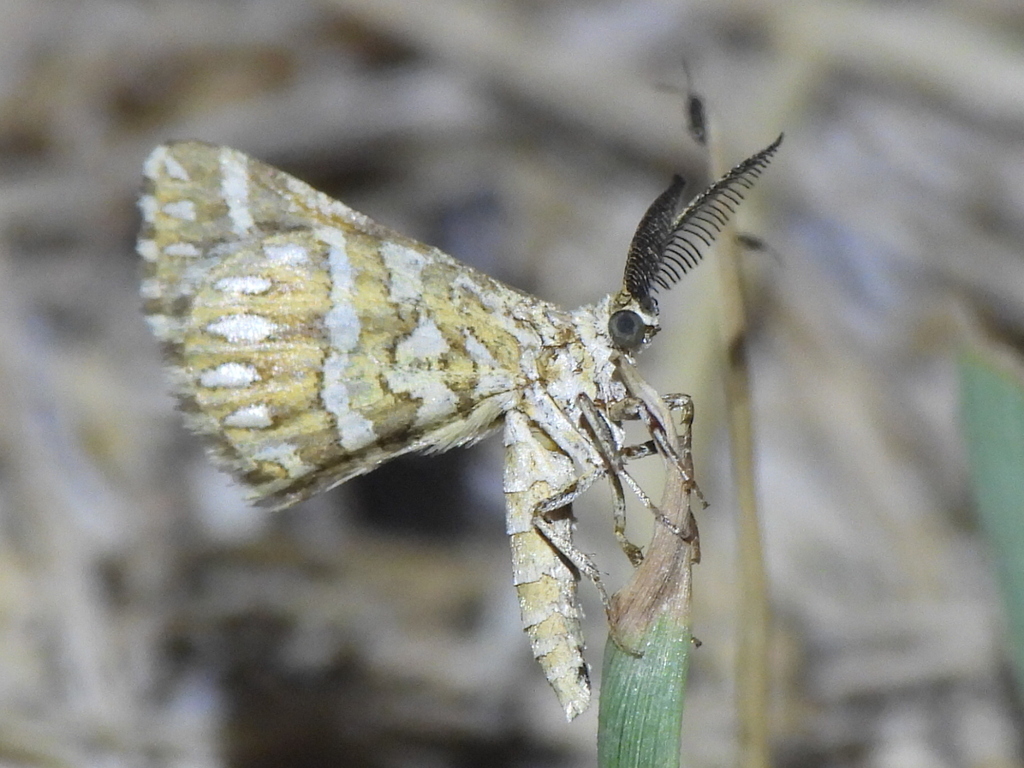
(c) Sam Kieschnick, some rights reserved (CC BY) · licence
Family: Geometridae · Class: Insecta · Order: Lepidoptera
Fernaldella fimetaria is a California animal in the Geometridae family.
Fernaldella fimetaria is a moth species in the family Geometridae, commonly known as geometrid moths or inchworm moths. This species belongs to a large family characterized by their distinctive wing patterns and larval behavior. Adult geometrids typically hold their wings horizontally when at rest, creating a triangular silhouette. The wingspan and specific coloration patterns of F. fimetaria require further taxonomic documentation, as detailed morphological descriptions are limited in current literature. The range and distribution of Fernaldella fimetaria within California remains poorly documented in available databases. Geometrid moths are generally widespread throughout North America, but the specific geographic boundaries and population centers for this species have not been comprehensively mapped. Historical collection records and current survey data would be necessary to establish accurate distributional information for F. fimetaria in California. Habitat preferences for Fernaldella fimetaria are not well-established in current taxonomic literature. Geometridae moths as a family occupy diverse habitats ranging from coastal areas to montane forests, with many species showing specific associations with particular vegetation types. The larvae of geometrid moths are typically herbivorous, feeding on leaves of various plant species, while adults are often attracted to artificial lights and may feed on nectar or other liquid nutrients. The life cycle and behavioral ecology of F. fimetaria follows the typical geometrid pattern of complete metamorphosis. Geometrid larvae are commonly called inchworms or loopers due to their distinctive method of locomotion, where they arch their body by bringing the rear prolegs forward to meet the front legs, then extend forward to create a looping motion. This behavior results from having fewer prolegs than most other moth larvae. Adults are typically nocturnal and may be attracted to ultraviolet light sources during night surveys. The conservation status of Fernaldella fimetaria has not been formally evaluated by federal or state agencies. The species lacks both federal and California state listing status, and no specific conservation concerns have been documented. However, the limited availability of ecological and distributional data suggests that basic biological surveys would be beneficial to establish baseline population information. Many geometrid moth species face pressures from habitat loss, light pollution, and climate change, though the specific vulnerability of F. fimetaria to these threats remains unknown. Standardized moth surveys using light traps and pheromone lures could help establish population trends and habitat requirements for this species. The taxonomic status and species validity of F. fimetaria may also benefit from molecular genetic analysis to confirm its distinctiveness from closely related geometrid species.
Classification
Class: Insecta · Order: Lepidoptera · Family: Geometridae
Frequently asked questions
How is Fernaldella fimetaria classified?
Fernaldella fimetaria belongs to class Insecta, order Lepidoptera, family Geometridae.
What family does Fernaldella fimetaria belong to?
Fernaldella fimetaria is in the Geometridae family.
What is Fernaldella fimetaria?
Fernaldella fimetaria is a moth species in the family Geometridae, commonly known as geometrid moths or inchworm moths.
Is Fernaldella fimetaria found in California?
Yes. Fernaldella fimetaria is recorded in California in The California Species Project's catalogue.
Related species
Other California species in the same genus, family, or bioregion.
Data from The California Species Project — 14,000+ California species with verified data from CNPS, CDFW, USFWS, and more.