Feron gigas
Saucer Gall Wasp
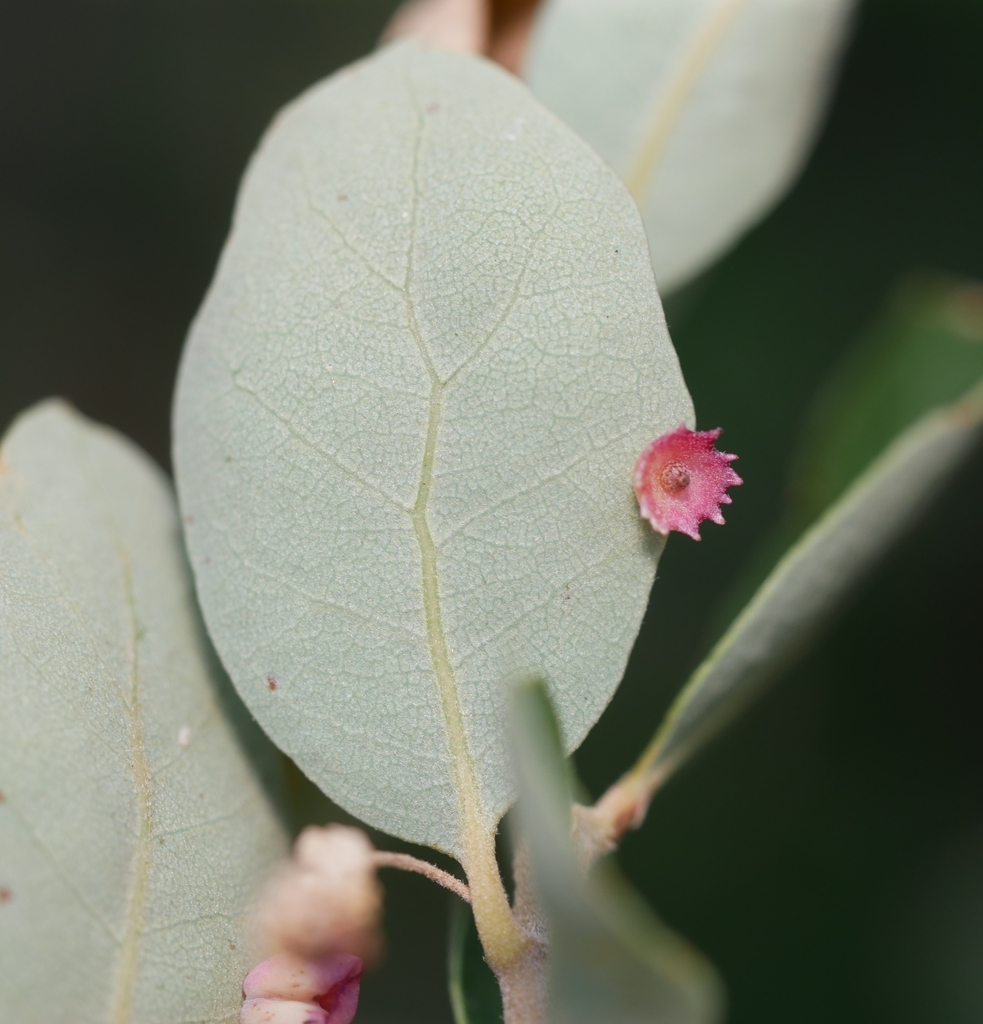
(c) Toby, some rights reserved (CC BY) · licence
Family: Cynipidae · Class: Insecta · Order: Hymenoptera
Feron gigas (Saucer Gall Wasp) is a California animal in the Cynipidae family.
The Saucer Gall Wasp (Feron gigas) is a member of the family Cynipidae, a group of small wasps known for inducing gall formations on their host plants. Adult wasps are typically small, measuring 2-4 mm in length, with the characteristic compact body structure typical of gall wasps. Females possess a prominent ovipositor used for egg-laying within plant tissues. Like other cynipids, this species exhibits sexual dimorphism, with males generally smaller than females and often possessing different wing venation patterns. The current distribution of Feron gigas remains poorly documented in scientific literature. Cynipid wasps of this genus are generally found in western North America, but specific range information for F. gigas has not been comprehensively mapped. The species' occurrence in California is suggested by its inclusion in regional taxonomic treatments, though detailed county-level distribution data are not readily available in published sources. Habitat requirements for this species are not well-documented, though like other cynipid wasps, Feron gigas likely depends on specific host plant associations. Most gall wasps in the family Cynipidae are highly specialized, with each species typically associated with particular plant genera or species. The "saucer gall" common name suggests this species creates distinctive flattened, disc-shaped galls, though the specific host plant relationships have not been thoroughly studied or reported in accessible scientific literature. The life cycle of Feron gigas likely follows the typical cynipid pattern, though specific behavioral and ecological details remain undocumented. Female wasps insert eggs into plant tissues using their ovipositor, triggering the formation of characteristic galls through plant growth responses to wasp secretions. Larvae develop within these galls, feeding on plant tissues modified by their presence. Many cynipid species exhibit complex life cycles involving alternating sexual and asexual generations, often on different host plants, though whether F. gigas follows this pattern is unknown. Development time from egg to adult varies among cynipids but typically requires several months to complete. Conservation status information for Feron gigas is not available from standard databases, and the species does not appear on federal or state conservation lists. This lack of status designation likely reflects insufficient data rather than confirmed population stability. Many small arthropod species, particularly specialized gall wasps, face potential threats from habitat loss, host plant decline, and climate change impacts on plant-insect relationships. However, without baseline population data or ecological studies, the conservation needs of this species cannot be adequately assessed. Scientific documentation for this species remains extremely limited. The information presented here is based on taxonomic databases and general cynipid biology. Detailed ecological studies, host plant relationships, and distribution surveys are needed to better understand this species' biology and conservation status. We welcome contributions of verified scientific data, photographs, or field observations to enhance this species account.
Classification
Class: Insecta · Order: Hymenoptera · Family: Cynipidae
Frequently asked questions
How is Feron gigas classified?
Feron gigas belongs to class Insecta, order Hymenoptera, family Cynipidae.
What family does Feron gigas belong to?
Feron gigas is in the Cynipidae family.
What is Feron gigas?
The Saucer Gall Wasp (Feron gigas) is a member of the family Cynipidae, a group of small wasps known for inducing gall formations on their host plants.
Is Feron gigas found in California?
Yes. Feron gigas is recorded in California in The California Species Project's catalogue.
Related species
Other California species in the same genus, family, or bioregion.
Data from The California Species Project — 14,000+ California species with verified data from CNPS, CDFW, USFWS, and more.