Filatima saliciphaga
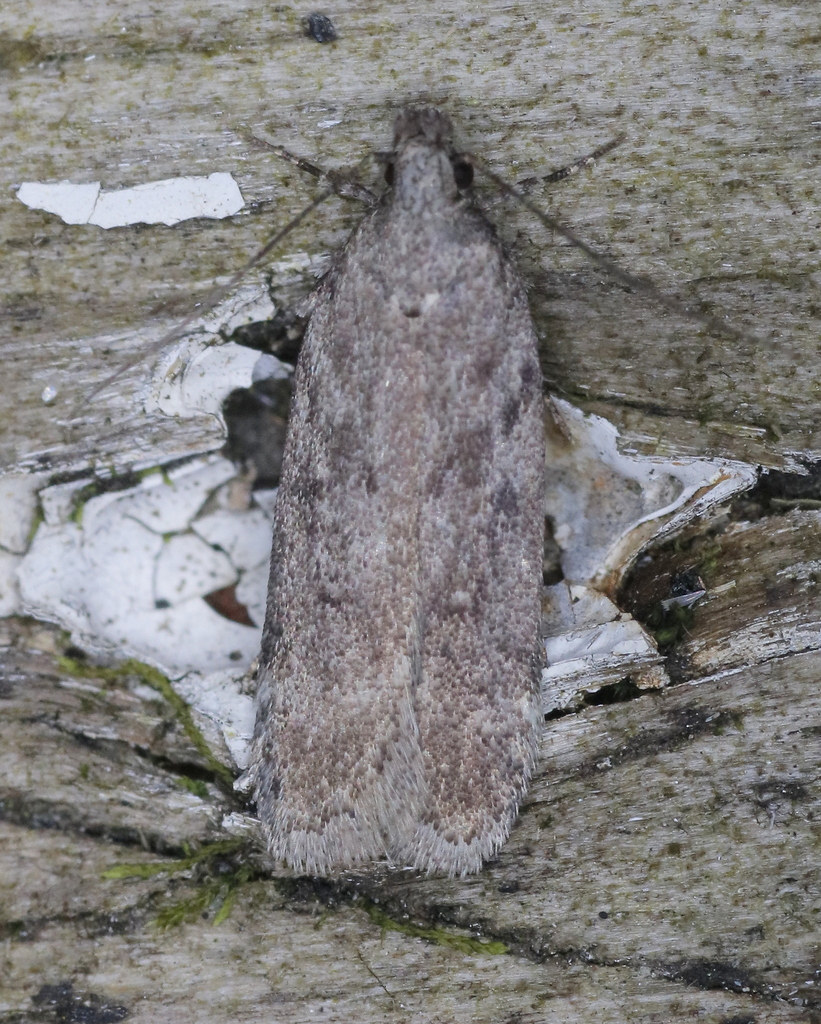
(c) a_anctil, some rights reserved (CC BY-SA) · licence
Family: Gelechiidae · Class: Insecta · Order: Lepidoptera
Filatima saliciphaga is a California animal in the Gelechiidae family.
Filatima saliciphaga is a small moth in the family Gelechiidae, commonly known as twirler moths. Adult moths typically measure 8 to 12 mm in forewing length, with wingspans ranging from 15 to 20 mm. The forewings are narrow and elongated, displaying mottled brown and gray coloration with indistinct darker markings. The hindwings are pale gray to whitish with prominent fringes along the margins. Like other Gelechiidae species, the antennae are thread-like and the labial palps are upturned and conspicuous. The current distribution of Filatima saliciphaga in California remains poorly documented in published literature. The genus Filatima includes numerous species distributed across North America, with several taxa recorded from western states. Specific locality records for F. saliciphaga require verification from museum collections and recent surveys, as many Gelechiidae species have restricted or disjunct distributions. As indicated by its specific epithet 'saliciphaga,' this species likely associates with willows (Salix species) as larval hosts. Gelechiidae moths in the genus Filatima typically develop as leaf miners, stem borers, or gall formers on their host plants. Adults are most active during twilight hours and are attracted to artificial lights. The habitat preferences would likely include riparian areas, wetlands, and other environments where willow species occur, from low elevations to montane zones where suitable host plants are present. Larval development in Filatima species generally involves one to two generations per year, depending on climate and elevation. Eggs are deposited on or near the host plant, with larvae feeding within plant tissues throughout their development. Pupation typically occurs in the soil or plant debris near the host. Adults emerge during warmer months, with flight periods varying by species and geographic location. Males are often attracted to pheromone sources and may be collected more frequently than females during surveys. The conservation status of Filatima saliciphaga has not been formally evaluated by state or federal agencies. Like many microlepidoptera species, it may face threats from habitat loss, particularly the degradation of riparian ecosystems that support willow host plants. Urban development, agricultural conversion, and altered hydrology can impact willow-dependent species. Climate change may affect the distribution and phenology of both the moth and its host plants. The species' conservation needs cannot be adequately assessed without comprehensive surveys to determine its current distribution, population status, and habitat requirements. Systematic collection efforts and molecular analysis may be necessary to clarify taxonomic relationships and confirm the species' presence in California, as many Gelechiidae taxa remain poorly studied and some historical records may represent misidentifications or synonyms.
Classification
Class: Insecta · Order: Lepidoptera · Family: Gelechiidae
Frequently asked questions
How is Filatima saliciphaga classified?
Filatima saliciphaga belongs to class Insecta, order Lepidoptera, family Gelechiidae.
What family does Filatima saliciphaga belong to?
Filatima saliciphaga is in the Gelechiidae family.
What is Filatima saliciphaga?
Filatima saliciphaga is a small moth in the family Gelechiidae, commonly known as twirler moths.
Is Filatima saliciphaga found in California?
Yes. Filatima saliciphaga is recorded in California in The California Species Project's catalogue.
Related species
Other California species in the same genus, family, or bioregion.
Data from The California Species Project — 14,000+ California species with verified data from CNPS, CDFW, USFWS, and more.