Forsebia cinis
Forsebia Moth
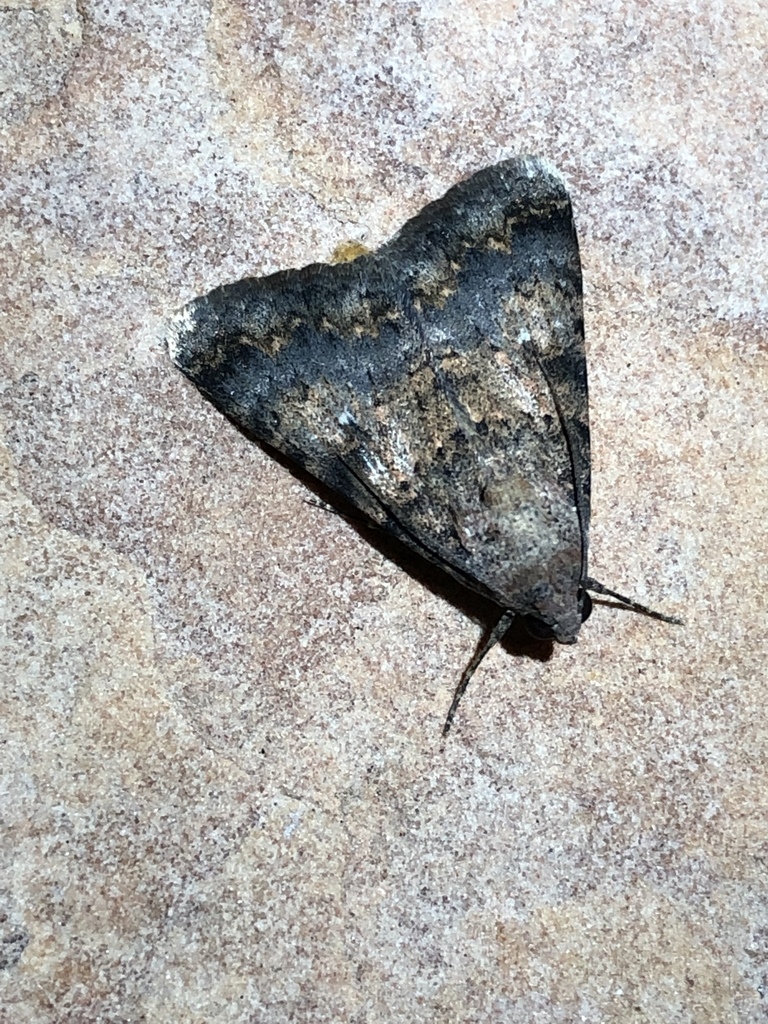
(c) Jared Shorma, some rights reserved (CC BY) · licence
Family: Erebidae · Class: Insecta · Order: Lepidoptera
Forsebia cinis (Forsebia Moth) is a California animal in the Erebidae family.
The Forsebia Moth (Forsebia cinis) is a member of the family Erebidae, subfamily Erebinae, in the tribe Melipotini. This species represents the sole North American representative of the genus Forsebia, which was described by Richards in 1935 (BugGuide). The moth displays typical erebid characteristics with wings that reflect its common name, though specific morphological details regarding size, wingspan, and detailed coloration patterns remain poorly documented in the scientific literature. Forsebia cinis has a relatively broad distribution across the southwestern and south-central United States. According to available records, the species ranges from southern California and southern Nevada eastward to western Texas and Oklahoma (BugGuide, iNaturalist). Within California, the moth occurs in the southern portions of the state, representing the western edge of its documented range. This distribution pattern suggests the species is adapted to arid and semi-arid environments characteristic of the southwestern United States. Specific habitat requirements for Forsebia cinis have not been well documented in the scientific literature. Given its geographic distribution across desert and semi-desert regions of the American Southwest, the species likely inhabits areas with sparse vegetation typical of these ecosystems. The moth's presence from southern California through Nevada to Texas suggests it may occupy various habitat types within arid landscapes, potentially including desert scrub, chaparral, and transitional zones between desert and grassland communities. Ecological information about Forsebia cinis remains limited. Like other members of the Erebidae family, adults are likely nocturnal and attracted to artificial light sources. The subfamily Erebinae includes species with diverse feeding habits, though specific dietary preferences, host plant relationships, and larval ecology for F. cinis have not been documented in accessible scientific literature. Flight period data from moth collection records suggest the species is active during warmer months, though precise timing of emergence, breeding behavior, and life cycle duration require further research. Forsebia cinis does not appear to have any federal or state conservation status designations. The species' relatively broad geographic range across multiple states suggests it may not face immediate conservation concerns, though specific population trends and potential threats have not been systematically assessed. As with many moth species, potential impacts from habitat loss, light pollution, and climate change in arid regions may affect populations, but quantitative data on population size and trends are not available in current literature. Scientific documentation for this species remains limited despite its presence in online databases and collection records. The information presented here is based on available sources including BugGuide taxonomic databases and iNaturalist observations. If you have additional verified information about this species' biology, distribution, or ecology, please contact us to help improve this species account.
Classification
Class: Insecta · Order: Lepidoptera · Family: Erebidae
Frequently asked questions
How is Forsebia cinis classified?
Forsebia cinis belongs to class Insecta, order Lepidoptera, family Erebidae.
What family does Forsebia cinis belong to?
Forsebia cinis is in the Erebidae family.
What is Forsebia cinis?
The Forsebia Moth (Forsebia cinis) is a member of the family Erebidae, subfamily Erebinae, in the tribe Melipotini.
Is Forsebia cinis found in California?
Yes. Forsebia cinis is recorded in California in The California Species Project's catalogue.
Related species
Other California species in the same genus, family, or bioregion.
Data from The California Species Project — 14,000+ California species with verified data from CNPS, CDFW, USFWS, and more.