Furcula cinerea
Gray Furcula
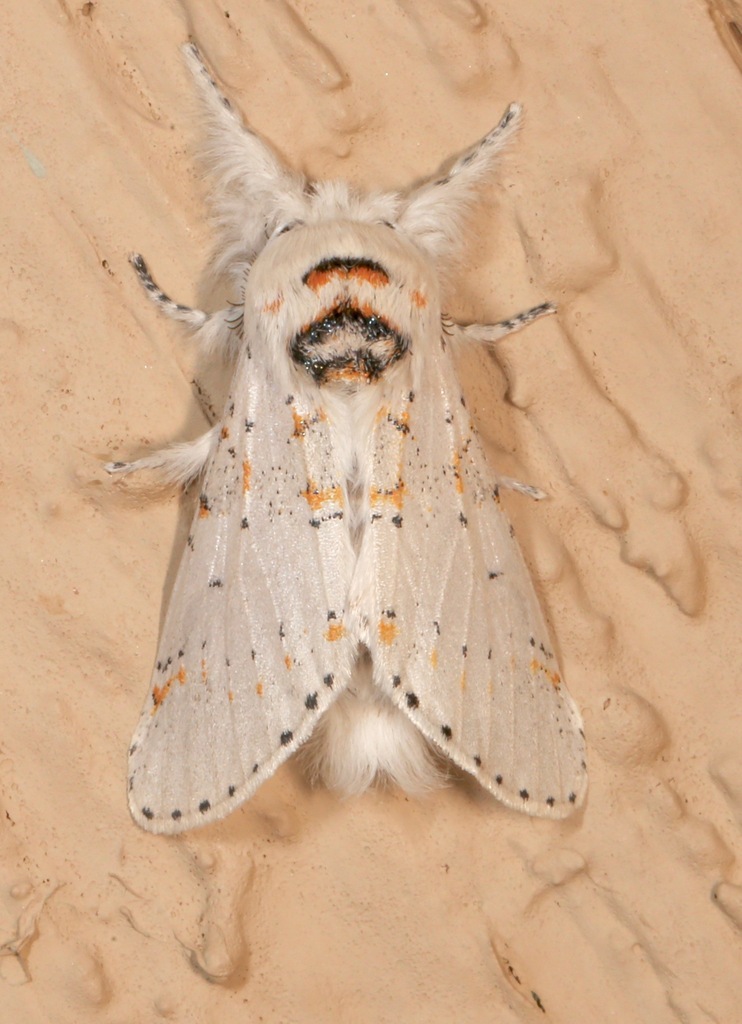
(c) Laura Gaudette, some rights reserved (CC BY) · licence
Family: Notodontidae · Class: Insecta · Order: Lepidoptera
Furcula cinerea (Gray Furcula) is a California animal in the Notodontidae family.
The Gray Furcula (Furcula cinerea) is a medium-sized moth in the family Notodontidae, commonly known as prominents. Adults typically measure 25-35 mm (1.0-1.4 inches) in wingspan. The forewings are gray to brownish-gray with subtle darker markings, including a characteristic curved line that extends from the costa to the inner margin. The hindwings are lighter gray with minimal patterning. At rest, the moth holds its wings in a tent-like position over the body. The species name 'furcula' refers to the forked anal prolegs of the caterpillar, while 'cinerea' means ash-colored, describing the moth's gray coloration. Furcula cinerea occurs across much of North America, from southeastern Canada south through the eastern and central United States. In California, the species is found primarily in the northern regions, including the Sierra Nevada foothills and portions of the Coast Ranges. The western populations represent the species' range limit and may be locally distributed. The Gray Furcula inhabits deciduous and mixed forests, particularly areas with abundant birch, willow, and poplar trees. Adults are typically found in riparian corridors, woodland edges, and forest clearings where host plants are present. The species shows a preference for elevations below 1,500 meters (4,900 feet), though it may occur at higher elevations in suitable habitat. Adults are nocturnal and attracted to artificial lights. The flight period extends from late spring through mid-summer, typically May through July, with peak activity in June. Females deposit eggs singly on the leaves of host plants. Larvae feed primarily on birch (Betula species), willow (Salix species), and poplar (Populus species). The caterpillars are distinctive, measuring up to 40 mm (1.6 inches) when mature, with a hump on the fourth abdominal segment and the characteristic forked tail appendage that gives the genus its name. Larvae feed openly on leaves during their early instars but may become more secretive as they mature. Pupation occurs in the soil or leaf litter, with the species overwintering as pupae. The Gray Furcula is not currently listed under federal or state endangered species legislation. Population trends are not well documented, but the species appears to be stable across most of its range. However, like many forest-dependent moths, it may face localized threats from habitat loss due to deforestation, urbanization, and changes in forest management practices. Riparian habitat destruction and the decline of native deciduous trees could impact local populations. Climate change may also affect the species' distribution, particularly at its western range limits in California where suitable habitat may become more fragmented. The species' dependence on specific host plants makes it vulnerable to changes in forest composition, particularly the loss of native birch and willow communities.
Classification
Class: Insecta · Order: Lepidoptera · Family: Notodontidae
Frequently asked questions
How is Furcula cinerea classified?
Furcula cinerea belongs to class Insecta, order Lepidoptera, family Notodontidae.
What family does Furcula cinerea belong to?
Furcula cinerea is in the Notodontidae family.
What is Furcula cinerea?
The Gray Furcula (Furcula cinerea) is a medium-sized moth in the family Notodontidae, commonly known as prominents.
Is Furcula cinerea found in California?
Yes. Furcula cinerea is recorded in California in The California Species Project's catalogue.
Related species
Other California species in the same genus, family, or bioregion.
Data from The California Species Project — 14,000+ California species with verified data from CNPS, CDFW, USFWS, and more.