Furcula cinereoides
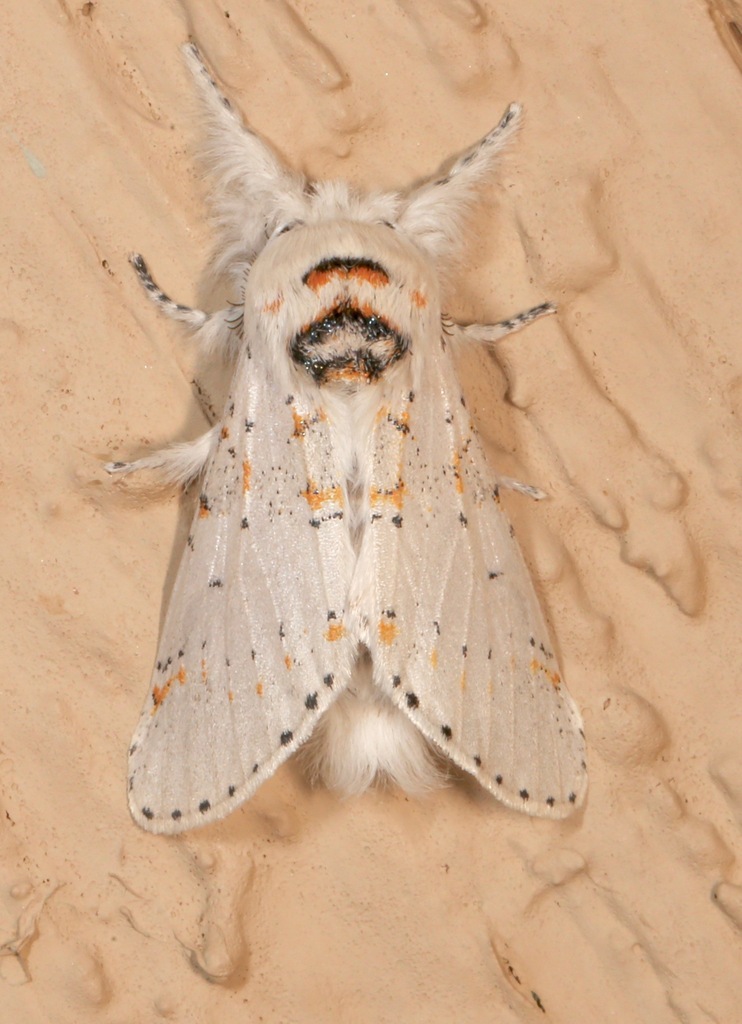
(c) Laura Gaudette, some rights reserved (CC BY) · licence
Family: Notodontidae · Class: Insecta · Order: Lepidoptera
Furcula cinereoides is a California animal in the Notodontidae family.
Furcula cinereoides is a moth in the family Notodontidae, commonly known as the Gray Furcula or a prominent moth. This species belongs to the cinerea group within the genus Furcula and was originally described by Dyar in 1890 as a variety of Furcula cinerea before being elevated to full species status (BugGuide). The species is distinguished from related taxa by its western distribution pattern and specific wing markings characteristic of the prominent moth family. Furcula cinereoides ranges from British Columbia south into Mexico, occupying the western portion of North America. This distribution distinguishes it from the closely related Furcula cinerea, which occurs east of the Continental Divide (BugGuide). Within California, the species has been documented in San Luis Obispo County, with photographic records from locations such as Chimineas Ranch (BugGuide). The species' range extends through the Pacific coastal states and into the southwestern United States and Mexico. The species inhabits diverse western habitats, though specific microhabitat requirements have not been well documented in the available literature. Given its broad latitudinal range from British Columbia to Mexico, Furcula cinereoides likely occupies multiple vegetation types and elevation zones. California records suggest the species occurs in areas with mixed vegetation typical of the state's Mediterranean climate regions. As a member of the Notodontidae, Furcula cinereoides follows typical prominent moth life history patterns. Adults are nocturnal and attracted to artificial lights. The larvae, known as prominents, typically feed on deciduous trees and shrubs, though specific host plant relationships for this species require further documentation. Larvae of Notodontidae often display distinctive morphological features including dorsal humps or projections. The timing of adult emergence and larval development stages have not been thoroughly documented for this species. Furcula cinereoides currently has no federal or state conservation listing status. The species appears to maintain stable populations across its extensive range, though comprehensive population assessments are lacking. As with many Lepidoptera species, potential threats may include habitat modification, urban development, and climate change effects on host plant distribution. The species' broad geographic range likely provides some resilience against localized habitat disturbances. The species receives Hodges number 7937.1 in the standardized cataloging system for North American moths. Within the cinerea species group, taxonomic relationships continue to be studied, with ongoing research examining the diversity and distribution patterns of western North American Furcula species. Scientific documentation for this species remains limited compared to more extensively studied Lepidoptera. The information presented here synthesizes available sources including BugGuide taxonomic accounts and photographic records. Additional research on host plant relationships, detailed life history, and habitat preferences would enhance understanding of this western prominent moth species.
Classification
Class: Insecta · Order: Lepidoptera · Family: Notodontidae
Frequently asked questions
How is Furcula cinereoides classified?
Furcula cinereoides belongs to class Insecta, order Lepidoptera, family Notodontidae.
What family does Furcula cinereoides belong to?
Furcula cinereoides is in the Notodontidae family.
What is Furcula cinereoides?
Furcula cinereoides is a moth in the family Notodontidae, commonly known as the Gray Furcula or a prominent moth.
Is Furcula cinereoides found in California?
Yes. Furcula cinereoides is recorded in California in The California Species Project's catalogue.
Related species
Other California species in the same genus, family, or bioregion.
Data from The California Species Project — 14,000+ California species with verified data from CNPS, CDFW, USFWS, and more.