Furcula modesta
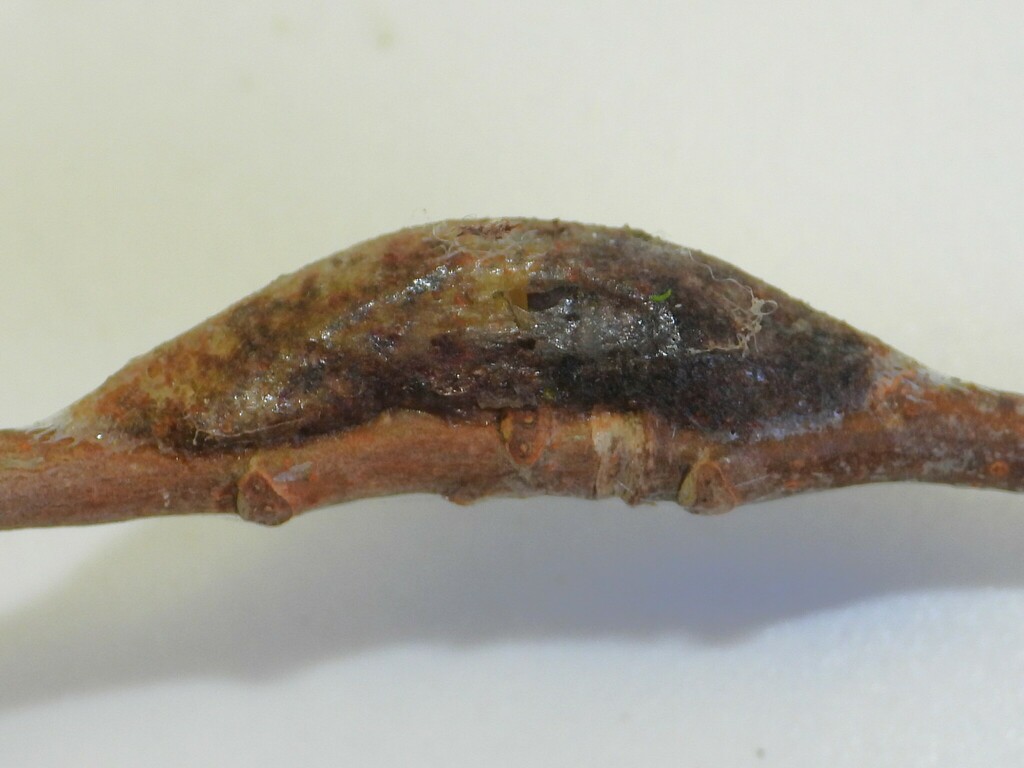
(c) Dan MacNeal, some rights reserved (CC BY) · licence
Family: Notodontidae · Class: Insecta · Order: Lepidoptera
Furcula modesta is a California animal in the Notodontidae family.
Furcula modesta is a moth species belonging to the family Notodontidae, commonly known as prominents. This lepidopteran species exhibits the characteristic body structure of its family, with adults typically measuring 25 to 35 mm in wingspan. The forewings display muted earth tones, ranging from grayish-brown to pale brown, with subtle darker markings that provide effective camouflage against tree bark. The hindwings are generally lighter in coloration, often appearing pale gray or whitish. The thorax is densely covered with scales matching the forewing coloration, while the abdomen tapers posteriorly in typical notodontid fashion. The distribution of Furcula modesta encompasses portions of western North America, with documented populations extending from British Columbia south through California. Within California, the species has been recorded in various counties, though comprehensive distribution data remains limited. The historical range may have been more extensive, but current occurrence patterns suggest the species may be restricted to specific habitat types or elevation zones. Furcula modesta inhabits forested environments, particularly areas supporting deciduous tree species. The species shows a preference for mixed woodlands and riparian forests where moisture levels remain relatively stable. Adults are typically found at elevations ranging from sea level to approximately 1,500 meters, though the exact elevation preferences may vary by geographic region. Larvae develop on various deciduous trees, with feeding habits characteristic of notodontid caterpillars. Adult moths are nocturnal, becoming active during evening hours when they engage in mating behaviors and seek suitable oviposition sites. Flight periods typically occur during spring and summer months, with peak activity varying by local climate conditions and elevation. Females deposit eggs singly or in small clusters on host plant foliage. Larvae undergo several instars before pupating, with development time influenced by temperature and food quality. The species likely completes one generation per year in most of its range, overwintering in the pupal stage. The conservation status of Furcula modesta has not been formally assessed by major conservation organizations. No federal or state listing status has been assigned to this species, and population trends remain largely undocumented. Like many forest-dependent lepidopteran species, Furcula modesta may face threats from habitat fragmentation, forest management practices, and climate change impacts on host plant distribution. Urban development and conversion of natural habitats could affect local populations, particularly in areas where the species occurs at lower elevations near human settlements. The lack of comprehensive survey data makes it difficult to assess current population stability or decline trends. Additional research is needed to determine the species' true conservation needs and to establish monitoring protocols for tracking population changes over time.
Classification
Class: Insecta · Order: Lepidoptera · Family: Notodontidae
Frequently asked questions
How is Furcula modesta classified?
Furcula modesta belongs to class Insecta, order Lepidoptera, family Notodontidae.
What family does Furcula modesta belong to?
Furcula modesta is in the Notodontidae family.
What is Furcula modesta?
Furcula modesta is a moth species belonging to the family Notodontidae, commonly known as prominents.
Is Furcula modesta found in California?
Yes. Furcula modesta is recorded in California in The California Species Project's catalogue.
Related species
Other California species in the same genus, family, or bioregion.
Data from The California Species Project — 14,000+ California species with verified data from CNPS, CDFW, USFWS, and more.