Gabriola dyari
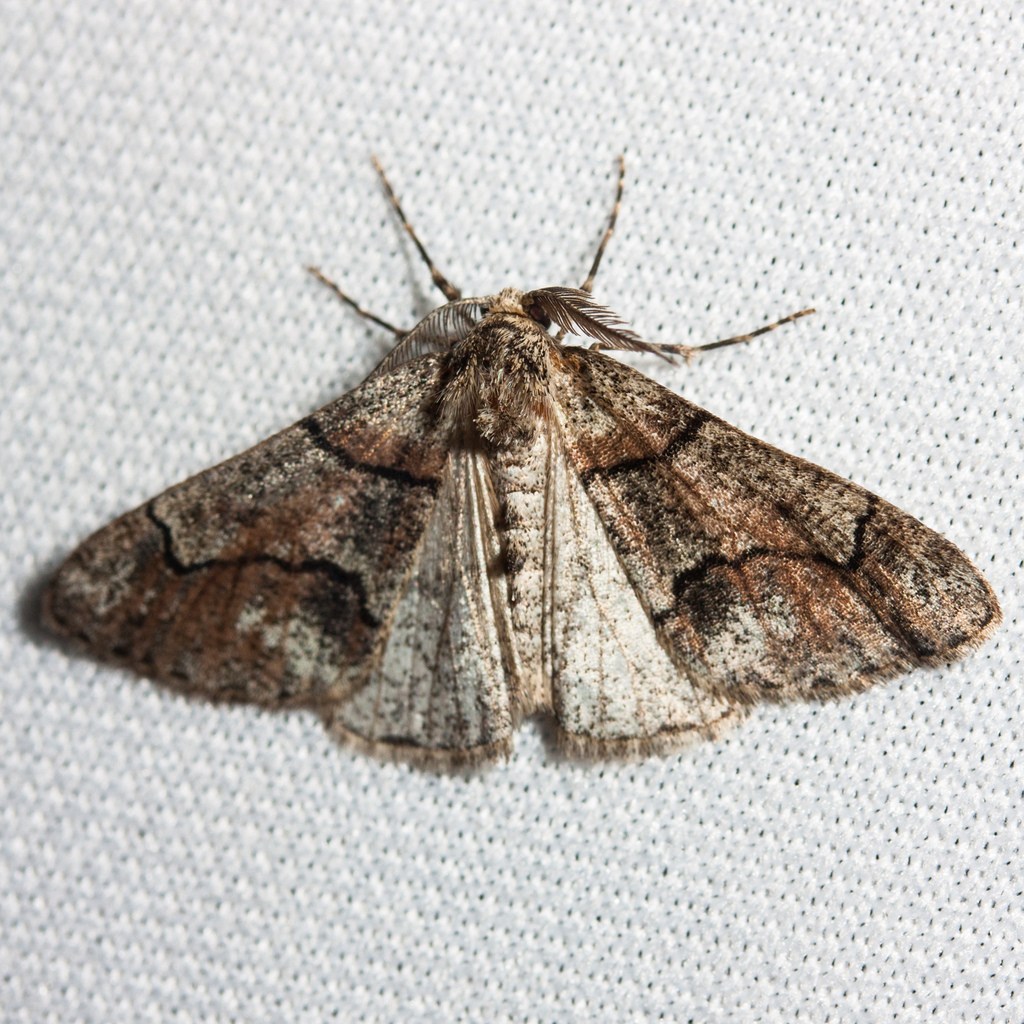
(c) Ken-ichi Ueda, some rights reserved (CC BY) · licence
Family: Geometridae · Class: Insecta · Order: Lepidoptera
Gabriola dyari is a California animal in the Geometridae family.
Dyar's Looper Moth (Gabriola dyari) is a geometrid moth in the subfamily Ennominae, named in honor of USDA entomologist Harrison Gray Dyar Jr. (1866-1929), who described hundreds of species and genera of Lepidoptera (BugGuide). The species has a wingspan of 25-30 mm (approximately 1.0-1.2 inches) and exhibits the typical looper moth body form characteristic of Geometridae family members (Observation.org). Gabriola dyari occurs along the Pacific Coast from the Alaskan panhandle and British Columbia south to California (iNaturalist, Observation.org). Within California, the species' specific distribution and county records have not been thoroughly documented in the available literature, though it appears to follow the coastal and montane coniferous forest zones that extend throughout much of the state's northern and central regions. The habitat consists primarily of coniferous forests (iNaturalist, Observation.org). This moth appears to be associated with the extensive coniferous forest ecosystems that characterize much of the Pacific Northwest and extend into California's mountainous regions. The species likely utilizes various coniferous tree species as host plants, though specific host plant relationships have not been well documented in the available sources. As with many geometrid moths, the larvae probably function as foliage feeders on their coniferous hosts. Specific information regarding the flight period, reproductive behavior, and detailed life history of Gabriola dyari remains poorly documented in scientific literature. Geometridae moths typically have one or more generations per year depending on latitude and elevation, with adults active during warmer months when host plants are actively growing. The larvae of geometrid moths are characterized by their distinctive looping locomotion, moving by bringing the rear segments forward to meet the front segments, hence the common name "looper moths." Adult moths are generally nocturnal and may be attracted to artificial lights. Currently, Gabriola dyari does not appear on federal or California state lists of species of conservation concern. The species' conservation status and population trends have not been assessed, likely due to limited research and monitoring efforts focused on this moth. As with many lesser-known invertebrate species, basic ecological information including population size, specific habitat requirements, and potential threats remains largely unknown. The broad geographic range from Alaska to California suggests the species may be relatively secure, but localized populations could face pressures from habitat modification, particularly in coniferous forest ecosystems subject to logging, development, or climate-related changes. Scientific documentation for this species remains limited. The information presented here is based on available sources including taxonomic databases and citizen science observations. If you have additional verified information about this species' biology, distribution, or ecology, please contact us to help improve this species account.
Classification
Class: Insecta · Order: Lepidoptera · Family: Geometridae
Frequently asked questions
How is Gabriola dyari classified?
Gabriola dyari belongs to class Insecta, order Lepidoptera, family Geometridae.
What family does Gabriola dyari belong to?
Gabriola dyari is in the Geometridae family.
What is Gabriola dyari?
Dyar's Looper Moth (Gabriola dyari) is a geometrid moth in the subfamily Ennominae, named in honor of USDA entomologist Harrison Gray Dyar Jr.
Is Gabriola dyari found in California?
Yes. Gabriola dyari is recorded in California in The California Species Project's catalogue.
Related species
Other California species in the same genus, family, or bioregion.
Data from The California Species Project — 14,000+ California species with verified data from CNPS, CDFW, USFWS, and more.