Gasterosteus aculeatus
Threespine stickleback
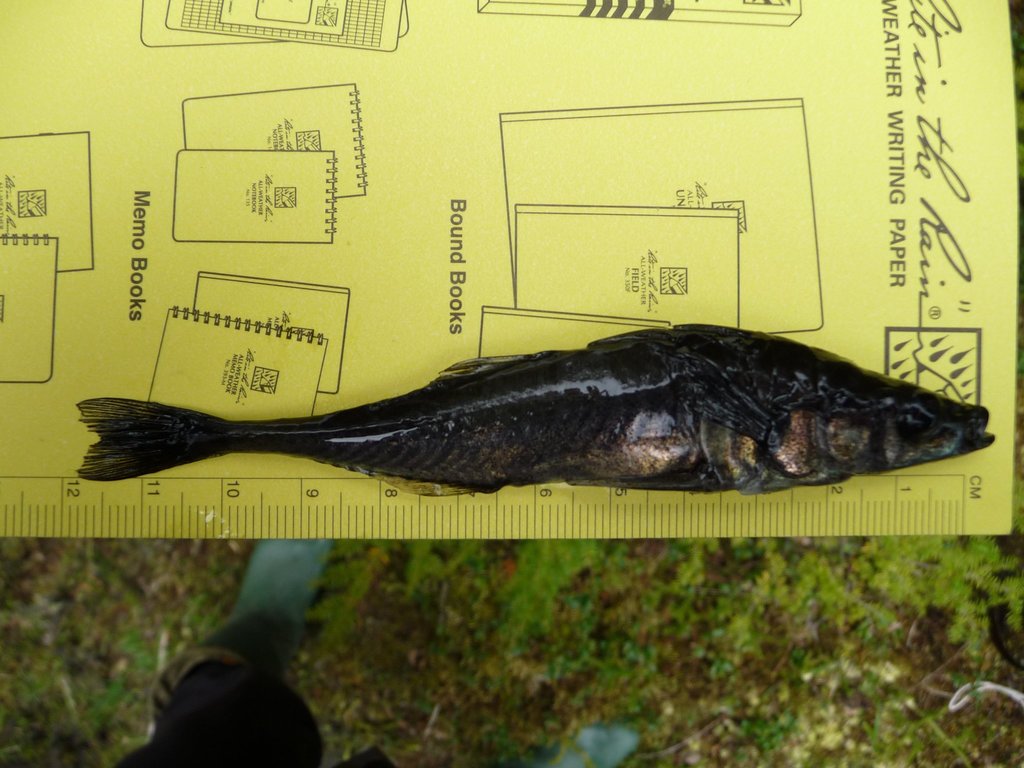
(c) Bruce Deagle, some rights reserved (CC BY) · licence
Family: Gasterosteidae · Class: Actinopterygii · Order: Gasterosteiformes
Gasterosteus aculeatus (Threespine stickleback) is a California animal in the Gasterosteidae family.
The threespine stickleback is a small, distinctive fish measuring 32 to 100 mm (1.3 to 3.9 inches) in total length, with most adults ranging from 50 to 80 mm. The species is characterized by three prominent dorsal spines anterior to the soft dorsal fin, which give the fish its common name. The body is laterally compressed and fusiform, with a narrow caudal peduncle. Coloration varies seasonally and between populations, ranging from olive-green to brown dorsally with silver flanks. During breeding season, males develop bright red coloration on the throat and belly, while the eyes become bright blue. Threespine stickleback have a nearly circumboreal distribution, occurring across northern North America, Europe, and Asia. In California, the species is found in coastal streams, estuaries, and nearshore marine waters from the Oregon border south to approximately Santa Barbara County. Populations occur in both anadromous and resident freshwater forms throughout the Sacramento-San Joaquin Delta, San Francisco Bay system, and coastal drainages including the Russian, Eel, and Klamath river systems. The species inhabits a diverse range of aquatic environments including shallow coastal marine waters, brackish estuaries, freshwater streams, lakes, and ponds. Threespine stickleback tolerate salinity levels from freshwater to full seawater and can survive in waters ranging from near freezing to approximately 20°C (68°F). They prefer areas with aquatic vegetation or other cover structures and are typically found in depths less than 10 meters in marine environments. Freshwater populations often inhabit slow-moving or still waters with emergent and submerged vegetation. Threespine stickleback are opportunistic carnivores feeding on small invertebrates including copepods, cladocerans, chironomid larvae, amphipods, and mysid shrimp. Anadromous populations migrate to freshwater to spawn from late winter through early summer. Males establish territories and construct distinctive nest structures using plant materials bound together with a kidney secretion. After attracting females to deposit eggs in the nest, males provide exclusive parental care, fanning the eggs and guarding the territory until fry become free-swimming. Clutch sizes range from 50 to 400 eggs depending on female size. The species typically lives one to three years, with anadromous forms generally achieving larger sizes than resident freshwater populations. Threespine stickleback are not listed under federal or California endangered species acts. The species maintains stable populations throughout most of its range and is classified as globally secure. However, some isolated freshwater populations face localized threats from habitat modification, water diversions, and introduction of non-native species. Urban development and agricultural practices have impacted stream habitat quality in some watersheds. Climate change may affect the species through altered streamflow patterns and increased water temperatures, particularly for southern California populations at the edge of the species' range.
Classification
Class: Actinopterygii · Order: Gasterosteiformes · Family: Gasterosteidae
Frequently asked questions
How is Gasterosteus aculeatus classified?
Gasterosteus aculeatus belongs to class Actinopterygii, order Gasterosteiformes, family Gasterosteidae.
What family does Gasterosteus aculeatus belong to?
Gasterosteus aculeatus is in the Gasterosteidae family.
What is Gasterosteus aculeatus?
The threespine stickleback is a small, distinctive fish measuring 32 to 100 mm (1.3 to 3.9 inches) in total length, with most adults ranging from 50 to 80 mm.
Is Gasterosteus aculeatus found in California?
Yes. Gasterosteus aculeatus is recorded in California in The California Species Project's catalogue.
Related species
Other California species in the same genus, family, or bioregion.
Data from The California Species Project — 14,000+ California species with verified data from CNPS, CDFW, USFWS, and more.