Gasterosteus aculeatus aculeatus
Anadromous threespine stickleback
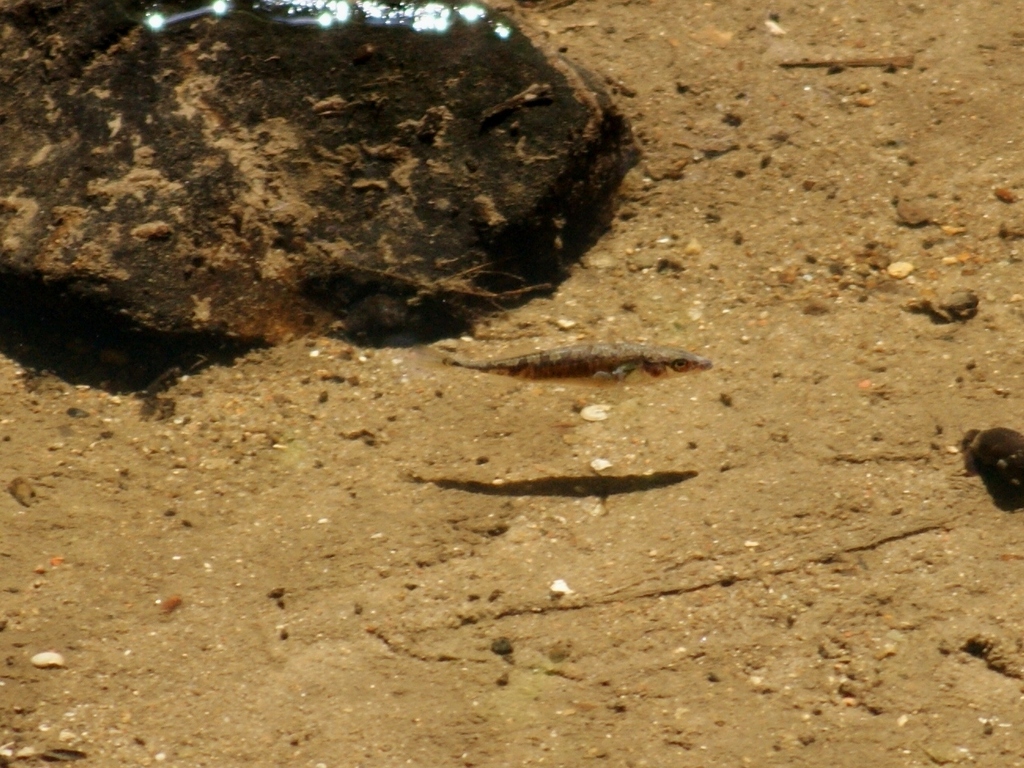
(c) Nasser Halaweh, some rights reserved (CC BY) · licence
Family: Gasterosteidae · Class: Actinopterygii · Order: Perciformes
Gasterosteus aculeatus aculeatus (Anadromous threespine stickleback) is a California animal in the Gasterosteidae family.
The anadromous threespine stickleback (Gasterosteus aculeatus aculeatus) is a small marine and freshwater fish that represents the sea-run form of the threespine stickleback complex. Adults typically measure 50-100 mm (2-4 inches) in total length, with a streamlined, laterally compressed body. The species is characterized by three prominent dorsal spines anterior to the soft dorsal fin, and a pair of pelvic spines with associated pelvic plates. Body coloration varies seasonally and by life stage, with spawning males developing bright red throats and blue-green backs, while females and non-breeding individuals display more subdued silver-gray coloration with darker backs. Anadromous threespine sticklebacks have a circumarctic and north temperate distribution, occurring in coastal marine waters and connected freshwater systems. According to FishBase, the species extends south to approximately 30-32°N in North America and 35°N in Asia. In California, anadromous populations are found in coastal streams, estuaries, and nearshore marine waters along the Pacific coast. The species exhibits a complex life history with both strictly freshwater resident forms and anadromous populations that migrate between marine and freshwater environments. This subspecies inhabits a variety of aquatic environments including coastal streams, estuaries, salt marshes, and nearshore marine waters. Anadromous individuals spend portions of their adult life in marine environments before returning to freshwater to spawn. They prefer areas with moderate water flow and abundant vegetation or structure for nest building. Spawning typically occurs in shallow freshwater areas with sandy or gravelly substrates and emergent or submerged vegetation. Anadromous threespine sticklebacks are opportunistic carnivores with diet varying by habitat and life stage. According to FishBase, they feed on worms, crustaceans, larvae and adult aquatic insects, drowned terrestrial insects, and small fishes. Marine-phase individuals consume zooplankton, small crustaceans, and marine invertebrates. The species exhibits complex reproductive behavior, with males becoming highly territorial during breeding season and constructing elaborate nests from plant material bound together with kidney secretions (USGS NAS Database). Males court females through zigzag dances and aggressively defend nests containing eggs until hatching occurs. Spawning typically occurs in spring and early summer, with timing varying by latitude and local conditions. Globally, the species maintains stable populations with an IUCN rank of N5, indicating no major conservation concerns on a range-wide scale. However, according to NatureServe, local threats include human impacts on spawning habitat and water quality, as well as stocking or introduction of non-native species. The anadromous form may face additional pressures from coastal development, water diversions, and climate change effects on ocean conditions. Unlike the federally endangered unarmored threespine stickleback subspecies (G. a. williamsoni) found in southern California, the anadromous form is not federally listed and appears to maintain relatively stable populations throughout its range, though local monitoring continues to assess population trends and habitat quality.
Classification
Class: Actinopterygii · Order: Perciformes · Family: Gasterosteidae
Frequently asked questions
How is Gasterosteus aculeatus aculeatus classified?
Gasterosteus aculeatus aculeatus belongs to class Actinopterygii, order Perciformes, family Gasterosteidae.
What family does Gasterosteus aculeatus aculeatus belong to?
Gasterosteus aculeatus aculeatus is in the Gasterosteidae family.
What is Gasterosteus aculeatus aculeatus?
The anadromous threespine stickleback (Gasterosteus aculeatus aculeatus) is a small marine and freshwater fish that represents the sea-run form of the threespine stickleback complex.
Is Gasterosteus aculeatus aculeatus found in California?
Yes. Gasterosteus aculeatus aculeatus is recorded in California in The California Species Project's catalogue.
Related species
Other California species in the same genus, family, or bioregion.
Data from The California Species Project — 14,000+ California species with verified data from CNPS, CDFW, USFWS, and more.