Gasterosteus aculeatus microcephalus
Resident threespine stickleback
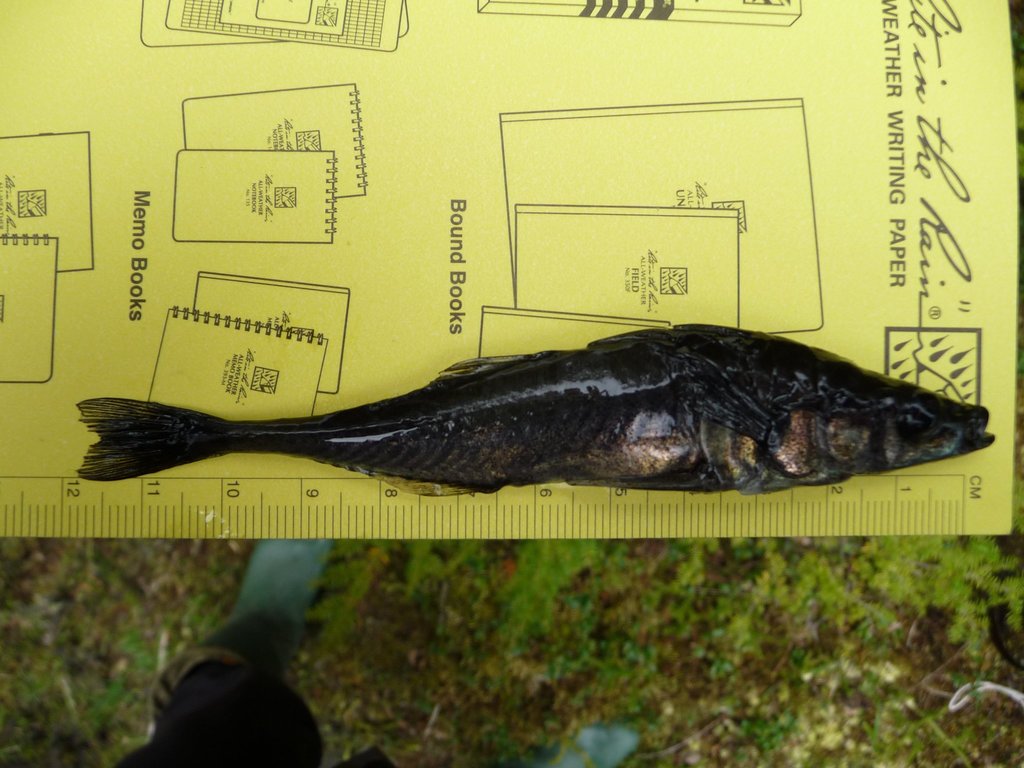
(c) Bruce Deagle, some rights reserved (CC BY) · licence
Family: Gasterosteidae · Class: Actinopterygii · Order: Perciformes
Conservation status: G5T2T3 S2S3
Gasterosteus aculeatus microcephalus (Resident threespine stickleback) is a California animal in the Gasterosteidae family.
The resident threespine stickleback is a small freshwater fish subspecies of the widely distributed threespine stickleback complex. Adults typically measure 30 to 60 mm (1.2 to 2.4 inches) in total length, with a slender, laterally compressed body. The species is characterized by three prominent dorsal spines anterior to the soft dorsal fin, giving rise to its common name. The body is typically olive-green to brown dorsally, fading to silver or white on the ventral surface. During breeding season, males develop bright red coloration on the throat and belly, while their eyes turn bright blue. Historically, resident populations of threespine stickleback occurred in isolated freshwater systems throughout California's coastal regions and the Central Valley. Current populations are found in scattered locations including coastal streams from Marin County south to Santa Barbara County, with additional populations in the Sacramento-San Joaquin Delta region and select tributaries. The subspecies G. a. microcephalus represents the non-anadromous form that completes its entire life cycle in freshwater, distinguishing it from the more common anadromous populations that migrate between fresh and salt water. Resident threespine sticklebacks inhabit slow-moving streams, ponds, marshes, and backwater areas with abundant aquatic vegetation. They prefer waters with temperatures ranging from 4 to 20°C (39 to 68°F) and require areas with soft substrates for nest construction. The species tolerates a wide range of water conditions but thrives in systems with moderate conductivity and neutral to slightly alkaline pH. Shallow areas with emergent and submerged vegetation provide essential cover and foraging habitat. These fish are opportunistic carnivores, feeding primarily on small invertebrates including chironomid larvae, copepods, ostracods, and aquatic insects. During breeding season, which typically occurs from March through July, males establish territories and construct elaborate nests from plant material bound together with kidney secretions. Males court females through zigzag dances, leading them to the nest where eggs are deposited and fertilized. Males provide exclusive parental care, guarding and aerating the eggs until hatching occurs after 6 to 10 days. Juveniles reach sexual maturity within one year. The resident threespine stickleback carries a Global/State Rank of G5T2T3 S2S3, indicating the subspecies is imperiled to vulnerable both globally and within California. Population declines have resulted from habitat loss due to urbanization, agricultural conversion, and water diversions. Water quality degradation from urban runoff, agricultural chemicals, and introduced pollutants poses ongoing threats. Competition and predation from non-native fish species, including centrarchids and ictalurids, have contributed to population reductions in many systems. Climate change effects, including altered precipitation patterns and increased water temperatures, may further stress remaining populations. Conservation efforts focus on habitat restoration, water quality improvement, and protection of existing population sites through regulatory mechanisms.
Classification
Class: Actinopterygii · Order: Perciformes · Family: Gasterosteidae
Conservation status
G5T2T3 S2S3
Frequently asked questions
How is Gasterosteus aculeatus microcephalus classified?
Gasterosteus aculeatus microcephalus belongs to class Actinopterygii, order Perciformes, family Gasterosteidae.
What family does Gasterosteus aculeatus microcephalus belong to?
Gasterosteus aculeatus microcephalus is in the Gasterosteidae family.
Is Gasterosteus aculeatus microcephalus protected or of conservation concern?
Gasterosteus aculeatus microcephalus carries the following status: G5T2T3 S2S3.
What is Gasterosteus aculeatus microcephalus?
The resident threespine stickleback is a small freshwater fish subspecies of the widely distributed threespine stickleback complex.
Is Gasterosteus aculeatus microcephalus found in California?
Yes. Gasterosteus aculeatus microcephalus is recorded in California in The California Species Project's catalogue.
Related species
Other California species in the same genus, family, or bioregion.
Data from The California Species Project — 14,000+ California species with verified data from CNPS, CDFW, USFWS, and more.