Gasterosteus aculeatus williamsoni
Unarmored threespine stickleback
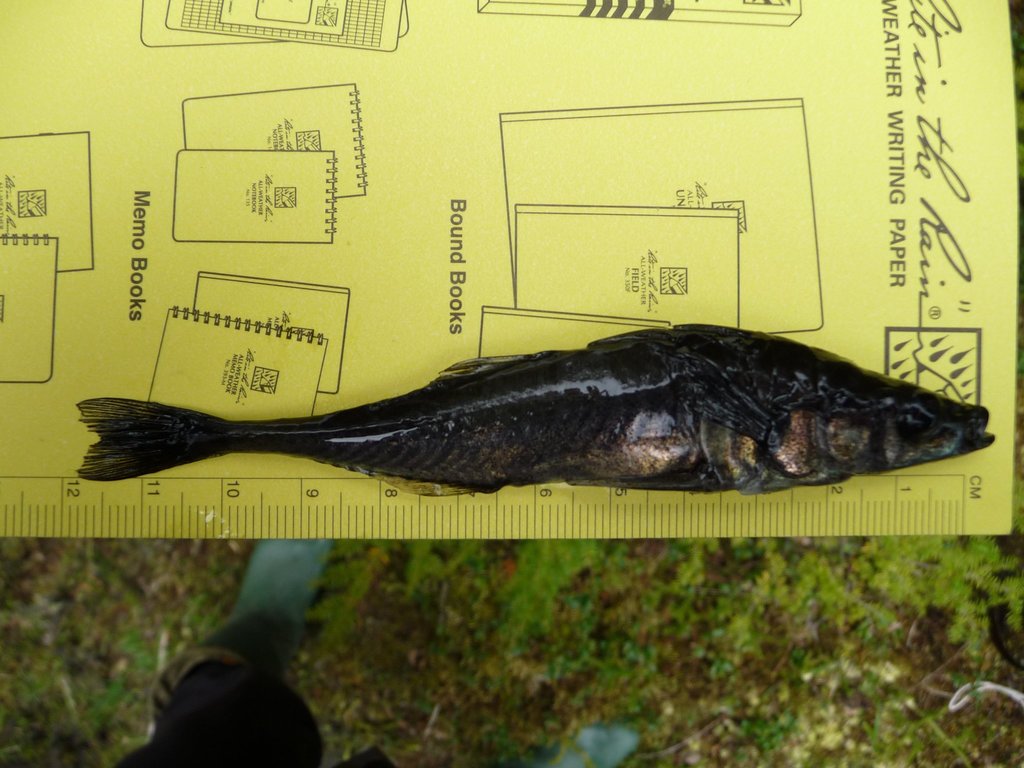
(c) Bruce Deagle, some rights reserved (CC BY) · licence
Family: Gasterosteidae · Class: Actinopterygii · Order: Perciformes
Conservation status: FP · Endangered · G5T1 S1
Gasterosteus aculeatus williamsoni (Unarmored threespine stickleback) is a California animal in the Gasterosteidae family.
The unarmored threespine stickleback is a small freshwater fish distinguished from other stickleback populations by the absence or significant reduction of lateral bony plates along its sides. Adults typically measure 35 to 65 mm (1.4 to 2.6 inches) in total length. The body is slender and laterally compressed, with three prominent dorsal spines that can be erected for defense. Breeding males develop bright red coloration on the throat and belly, while females and non-breeding individuals display olive-green to brown dorsal surfaces with silvery sides. The pelvic fins are positioned below the pectoral fins and contain a sharp spine. Historically, this subspecies was endemic to the Los Angeles River basin and several tributaries of the Santa Clara River system in southern California. The species once inhabited streams from the San Gabriel River south to Malibu Creek and inland to the upper Santa Clara River drainage. Currently, populations persist only in isolated stream segments within Los Angeles, Ventura, and Santa Barbara counties. The largest remaining populations occur in Solstice Creek in Malibu and several tributaries of the Santa Clara River. Unarmored threespine sticklebacks inhabit slow-moving or pool areas of small streams and creeks with sandy or muddy substrates. They require clear, cool water with temperatures typically below 24°C (75°F) and dissolved oxygen levels above 5 mg/L. Optimal habitat includes areas with emergent and submerged aquatic vegetation, which provides cover and substrate for egg attachment. The species prefers water depths ranging from 10 to 100 cm (4 to 40 inches) with gentle to moderate flow velocities. The species exhibits complex reproductive behavior, with breeding occurring from February through July. Males establish territories in shallow areas and construct nests by excavating depressions and lining them with plant material and algae. After attracting females through courtship displays, males guard and aerate eggs until hatching occurs in 6 to 12 days. Diet consists primarily of small invertebrates including chironomid larvae, amphipods, copepods, and aquatic worms. Adults are largely resident in pool habitats but may move short distances between suitable areas. The U.S. Fish and Wildlife Service listed the unarmored threespine stickleback as endangered in 1970, making it one of the first fish species protected under federal law. According to USFWS, populations have declined by more than 95 percent from historical levels due to habitat modification, urbanization, and water diversions. Primary threats include channelization of streams, groundwater pumping, urban runoff containing pollutants, and introduction of non-native predatory fish species such as mosquitofish and green sunfish. Current population estimates suggest fewer than 1,000 individuals remain across all known locations. Recovery efforts focus on habitat restoration, water quality improvement, and removal of non-native species from critical habitats.
Classification
Class: Actinopterygii · Order: Perciformes · Family: Gasterosteidae
Conservation status
FP · Endangered · G5T1 S1
Frequently asked questions
How is Gasterosteus aculeatus williamsoni classified?
Gasterosteus aculeatus williamsoni belongs to class Actinopterygii, order Perciformes, family Gasterosteidae.
What family does Gasterosteus aculeatus williamsoni belong to?
Gasterosteus aculeatus williamsoni is in the Gasterosteidae family.
Is Gasterosteus aculeatus williamsoni protected or of conservation concern?
Gasterosteus aculeatus williamsoni carries the following status: FP · Endangered · G5T1 S1.
What is Gasterosteus aculeatus williamsoni?
The unarmored threespine stickleback is a small freshwater fish distinguished from other stickleback populations by the absence or significant reduction of lateral bony plates along its sides.
Is Gasterosteus aculeatus williamsoni found in California?
Yes. Gasterosteus aculeatus williamsoni is recorded in California in The California Species Project's catalogue.
Related species
Other California species in the same genus, family, or bioregion.
Data from The California Species Project — 14,000+ California species with verified data from CNPS, CDFW, USFWS, and more.