Gelechia desiliens
Desiliens Gelechia
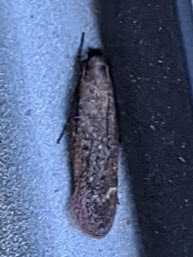
(c) Justin, some rights reserved (CC BY) · licence
Family: Gelechiidae · Class: Insecta · Order: Lepidoptera
Gelechia desiliens (Desiliens Gelechia) is a California animal in the Gelechiidae family.
Gelechia desiliens is a small moth in the family Gelechiidae, first described by Meyrick in 1923. This species belongs to a diverse family of microlepidoptera commonly known as twirler moths or gelechiid moths. Like other members of its genus, G. desiliens likely exhibits the typical gelechiid characteristics of small size and narrow forewings, though detailed morphological descriptions of this particular species remain limited in the scientific literature. The distribution of Gelechia desiliens encompasses western North America, with documented occurrences across multiple states. According to regional species checklists, the species has been recorded in various locations where other gelechiid moths are found (Butterflies and Moths of North America). Historical records indicate the species was documented in California as early as the 1930s, with Keifer noting its presence in the state in publications from that period (Powell 1990). The species appears on standardized moth databases and taxonomic listings, suggesting a relatively stable taxonomic status within the genus Gelechia. Specific habitat requirements for G. desiliens have not been well documented in the available literature. Most gelechiid moths typically inhabit areas where their host plants occur, often in diverse vegetation types ranging from grasslands to shrublands and forest edges. The family Gelechiidae includes species that utilize a wide variety of plant hosts, though the specific host plant relationships for G. desiliens require further documentation. Many species in this family are associated with herbaceous plants or shrubs, with larvae often developing as leaf miners, stem borers, or external feeders. The life history and behavioral ecology of Gelechia desiliens remain poorly studied. Like other gelechiid moths, this species likely undergoes complete metamorphosis with egg, larval, pupal, and adult stages. Most members of the genus Gelechia are nocturnal as adults, with peak activity periods typically occurring during evening and nighttime hours. Flight periods for gelechiid moths vary considerably by species and geographic location, often correlated with host plant phenology and local climate conditions. Larval development likely occurs on specific host plants, though these associations have not been definitively established for this species. Gelechia desiliens currently lacks formal conservation status designations at federal or state levels. The species does not appear on endangered species lists or species of special concern inventories. However, like many microlepidoptera, comprehensive population monitoring data are generally lacking, making it difficult to assess long-term population trends or conservation needs. The Moth Photographers Group maintains taxonomic records for the species, indicating ongoing documentation efforts by lepidopterist communities (Moth Photographers Group). Scientific documentation for this species remains limited despite its taxonomic recognition and historical records. Enhanced field studies documenting host plant relationships, habitat preferences, and life history details would contribute significantly to understanding this species' ecology and conservation requirements.
Classification
Class: Insecta · Order: Lepidoptera · Family: Gelechiidae
Frequently asked questions
How is Gelechia desiliens classified?
Gelechia desiliens belongs to class Insecta, order Lepidoptera, family Gelechiidae.
What family does Gelechia desiliens belong to?
Gelechia desiliens is in the Gelechiidae family.
What is Gelechia desiliens?
Gelechia desiliens is a small moth in the family Gelechiidae, first described by Meyrick in 1923.
Is Gelechia desiliens found in California?
Yes. Gelechia desiliens is recorded in California in The California Species Project's catalogue.
Related species
Other California species in the same genus, family, or bioregion.
Data from The California Species Project — 14,000+ California species with verified data from CNPS, CDFW, USFWS, and more.