Geothlypis trichas sinuosa
Saltmarsh Common Yellowthroat
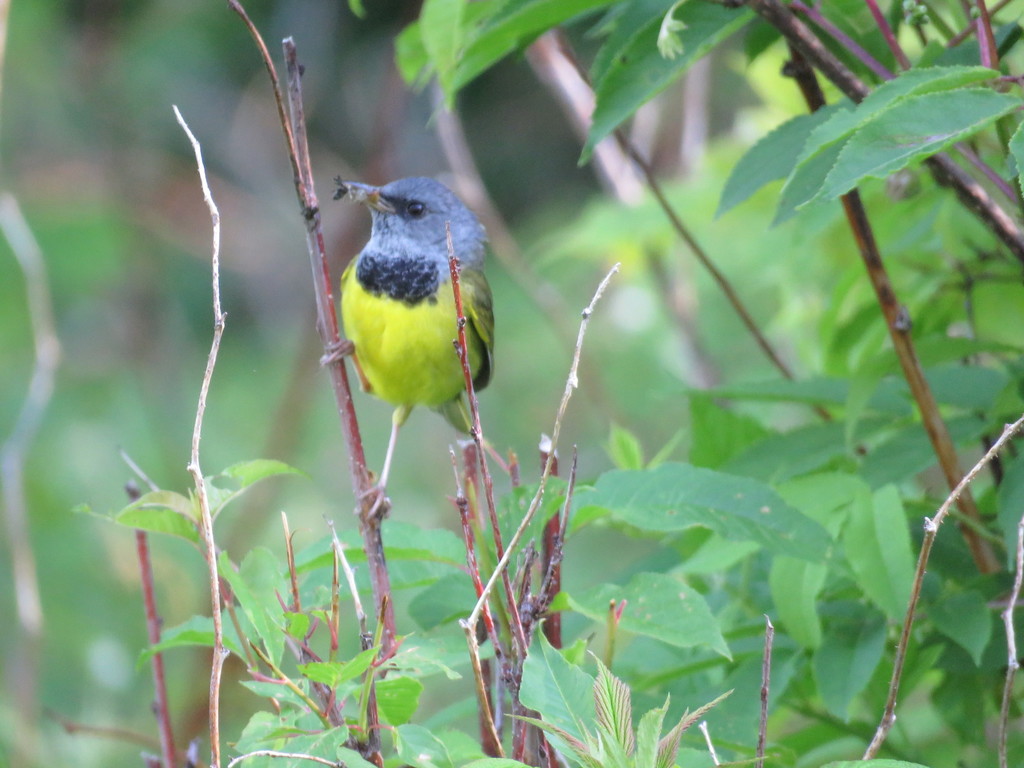
(c) Jason Hill, some rights reserved (CC BY) · licence
Family: Parulidae · Class: Aves · Order: Passeriformes
Conservation status: G5T3 S3
Geothlypis trichas sinuosa (Saltmarsh Common Yellowthroat) is a California animal in the Parulidae family.
The Saltmarsh Common Yellowthroat is a subspecies of the Common Yellowthroat endemic to the San Francisco Bay Area's coastal salt marshes. Adult males measure approximately 11-13 cm (4.3-5.1 inches) in length and display a distinctive black facial mask bordered by white, bright yellow throat and breast, and olive-brown upperparts. Females lack the black mask and exhibit more subdued yellow coloration on the throat and undertail coverts, with brownish upperparts and buff-colored underparts. Historically, this subspecies occurred throughout the extensive salt marsh systems of San Francisco Bay, from San Pablo Bay south to the South Bay. The current range has contracted significantly due to habitat loss, with remaining populations now restricted to scattered salt marsh fragments in Marin, Sonoma, Napa, Solano, Contra Costa, Alameda, San Mateo, and Santa Clara counties. Key locations include San Pablo Bay marshes, Suisun Marsh, and remnant marshes near Pillar Point and Denniston Creek in San Mateo County. Saltmarsh Common Yellowthroats inhabit dense stands of pickleweed (Salicornia species) and other salt-tolerant vegetation in coastal salt marshes. They prefer areas with thick, low-growing vegetation that provides cover, typically selecting habitat with water depths ranging from seasonal flooding to permanent shallow water. The subspecies shows strong site fidelity and rarely ventures far from salt marsh habitat, distinguishing it from other Common Yellowthroat subspecies that utilize freshwater wetlands. This subspecies exhibits year-round residency, unlike migratory populations of Common Yellowthroats. Breeding occurs from March through July, with males establishing territories of 0.5 to 2 acres within dense marsh vegetation (Foster 1977). Females construct cup-shaped nests low in pickleweed or other marsh plants, typically 0.3 to 1 meter above ground. Clutch size ranges from 3 to 5 eggs, with incubation lasting 12 days. The diet consists primarily of small insects and spiders gleaned from vegetation, including midges, mosquitoes, aphids, and caterpillars. Males sing persistently from concealed perches within the marsh canopy during breeding season. The U.S. Fish and Wildlife Service designated the Saltmarsh Common Yellowthroat as a Bird of Conservation Concern in multiple assessments, reflecting its vulnerable status (USFWS 2021). The subspecies has experienced severe population declines throughout the 20th and 21st centuries due to extensive salt marsh habitat loss from urban development, diking, and conversion to other land uses. An estimated 95% of San Francisco Bay's historical salt marshes have been lost or significantly altered. Current threats include continued habitat fragmentation, sea level rise, invasive plant species, and human disturbance. The Recovery Plan for Tidal Marsh Ecosystems identifies this subspecies as a tidal marsh-associated species requiring habitat protection and restoration efforts. Conservation priorities include preserving existing salt marsh habitat, restoring degraded areas, and maintaining appropriate hydrology and salinity regimes essential for supporting both the subspecies and its pickleweed habitat.
Classification
Class: Aves · Order: Passeriformes · Family: Parulidae
Conservation status
G5T3 S3
Frequently asked questions
How is Geothlypis trichas sinuosa classified?
Geothlypis trichas sinuosa belongs to class Aves, order Passeriformes, family Parulidae.
What family does Geothlypis trichas sinuosa belong to?
Geothlypis trichas sinuosa is in the Parulidae family.
Is Geothlypis trichas sinuosa protected or of conservation concern?
Geothlypis trichas sinuosa carries the following status: G5T3 S3.
What is Geothlypis trichas sinuosa?
The Saltmarsh Common Yellowthroat is a subspecies of the Common Yellowthroat endemic to the San Francisco Bay Area's coastal salt marshes.
Is Geothlypis trichas sinuosa found in California?
Yes. Geothlypis trichas sinuosa is recorded in California in The California Species Project's catalogue.
Related species
Other California species in the same genus, family, or bioregion.
Data from The California Species Project — 14,000+ California species with verified data from CNPS, CDFW, USFWS, and more.