Gila bicolor bicolor
Klamath tui chub
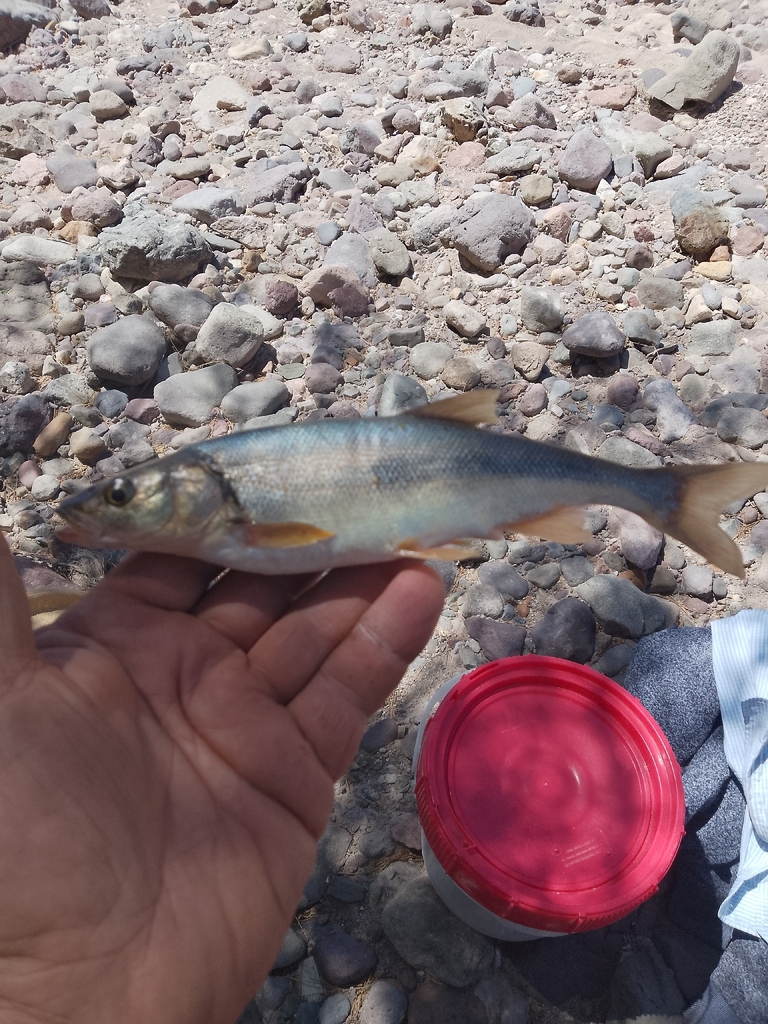
(c) Lic. Kevin Miguel Garibaldi Fierro, some rights reserved (CC BY) · licence
Family: Leuciscidae · Class: Actinopterygii · Order: Cypriniformes
Gila bicolor bicolor (Klamath tui chub) is a California animal in the Leuciscidae family.
The Klamath tui chub (Gila bicolor bicolor) is a cyprinid fish endemic to the Klamath Basin in southern Oregon and northern California. Adults typically reach 150 to 200 mm (5.9 to 7.9 inches) in total length, with a maximum recorded size of approximately 300 mm (11.8 inches). The body is fusiform and laterally compressed, with a relatively small head comprising about 20-25% of body length. Coloration varies with habitat and season, ranging from olive-green to bronze dorsally with silver to white ventral surfaces. Breeding males develop pronounced tubercles on the head and pectoral fins, and may display orange or red coloration on the fins and lower body. Historically, the Klamath tui chub occupied lakes, reservoirs, and slow-moving river sections throughout the upper Klamath Basin. The subspecies' current range is significantly reduced from its historical distribution. In California, populations persist primarily in Copco Lake and Iron Gate Reservoir on the Klamath River in Siskiyou County. Additional populations occur in Clear Lake Reservoir in Modoc County and scattered locations in the Lost River system. The species has been extirpated from much of its former range, including several natural lakes that were drained for agriculture. Klamath tui chubs inhabit lacustrine and riverine environments, showing preference for areas with moderate depths of 2 to 10 meters and water temperatures ranging from 15 to 24°C during active periods. The species tolerates a wide range of water chemistry conditions, including elevated pH levels above 9.0 that occur naturally in some Klamath Basin waters. Preferred habitats include areas with sandy or muddy substrates and moderate aquatic vegetation. During winter months, fish move to deeper waters where temperatures remain more stable. This omnivorous species feeds on aquatic invertebrates, algae, detritus, and occasionally small fish. Diet composition varies seasonally, with increased consumption of chironomid larvae and other invertebrates during spring and summer months. Spawning occurs from April through July when water temperatures reach 16 to 20°C. Females deposit adhesive eggs over rocky or gravelly substrates in shallow areas typically 0.5 to 2 meters deep. Clutch sizes range from 2,000 to 8,000 eggs depending on female size and condition. Sexual maturity is reached at 2 to 3 years of age. While not federally listed, the Klamath tui chub faces significant conservation challenges throughout its range. Primary threats include habitat modification through dam construction and water diversions, degraded water quality from agricultural runoff, and competition with introduced species. The removal of four Klamath River dams scheduled for completion by 2024 may provide new habitat opportunities, though the species' response to these changes remains uncertain. Population monitoring is limited, but available data suggest continued decline in several remaining populations. Water management practices that maintain suitable thermal regimes and water levels during critical spawning and rearing periods are essential for the subspecies' persistence.
Classification
Class: Actinopterygii · Order: Cypriniformes · Family: Leuciscidae
Frequently asked questions
How is Gila bicolor bicolor classified?
Gila bicolor bicolor belongs to class Actinopterygii, order Cypriniformes, family Leuciscidae.
What family does Gila bicolor bicolor belong to?
Gila bicolor bicolor is in the Leuciscidae family.
What is Gila bicolor bicolor?
The Klamath tui chub (Gila bicolor bicolor) is a cyprinid fish endemic to the Klamath Basin in southern Oregon and northern California.
Is Gila bicolor bicolor found in California?
Yes. Gila bicolor bicolor is recorded in California in The California Species Project's catalogue.
Related species
Other California species in the same genus, family, or bioregion.
Data from The California Species Project — 14,000+ California species with verified data from CNPS, CDFW, USFWS, and more.