Gila crassicauda
Thicktail chub
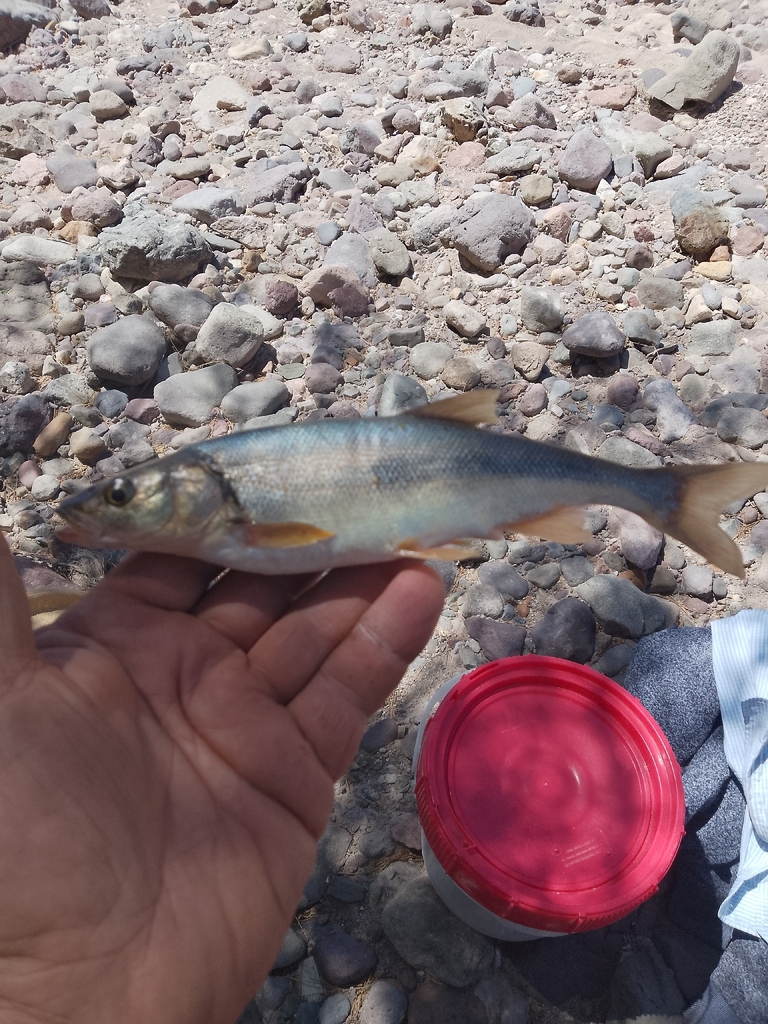
(c) Lic. Kevin Miguel Garibaldi Fierro, some rights reserved (CC BY) · licence
Family: Leuciscidae · Class: Actinopterygii · Order: Cypriniformes
Conservation status: SDE SE
Gila crassicauda (Thicktail chub) is a California animal in the Leuciscidae family.
The thicktail chub (Gila crassicauda) was a freshwater fish endemic to California's Central Valley, now extinct according to the California Department of Fish and Wildlife. This cyprinid fish was distinguished by its notably thick caudal peduncle, the narrow portion of the body just before the tail fin, which gave the species its common name. Adults typically measured 200 to 300 mm (8 to 12 inches) in total length, making it one of the larger native minnows in California's freshwater systems. Historically, the thicktail chub inhabited the Sacramento-San Joaquin river system and its associated sloughs, marshes, and tributary streams throughout California's Central Valley. The species' range extended from the Sacramento Valley in the north to the San Joaquin Valley in the south, including the Delta region where the two river systems converge. Archaeological evidence suggests the species was abundant enough to be a significant food source for indigenous peoples of the region. The thicktail chub occupied slow-moving and still waters, including backwater sloughs, oxbow lakes, marshes, and vegetated shallows along major rivers. The species showed a preference for areas with soft substrates and abundant aquatic vegetation, which provided both feeding opportunities and refuge from predators. These habitats were characterized by warm water temperatures during summer months and seasonal flooding that created extensive shallow-water nursery areas. As a member of the minnow family, the thicktail chub was primarily omnivorous, feeding on aquatic insects, small crustaceans, plant material, and detritus. The species likely spawned during spring months when water temperatures increased and flows were elevated from snowmelt. Like other cyprinids, females would have deposited adhesive eggs among aquatic vegetation or over gravel substrates in shallow areas. The thick caudal peduncle may have provided enhanced swimming power for navigating through dense vegetation or strong currents during spawning migrations. The thicktail chub was last collected in the 1950s and is now considered extinct. The species' decline coincided with massive habitat alterations throughout the Central Valley during the 19th and 20th centuries. Primary factors in its extinction included the draining of wetlands for agriculture, channelization and damming of rivers, water diversions for irrigation, and introduction of non-native fish species that competed for resources and altered ecosystem dynamics. The conversion of over 95% of Central Valley wetlands to agricultural and urban uses eliminated the shallow, vegetated habitats essential for the species' survival. Unlike federally listed species, the thicktail chub receives no legal protection, as it became extinct before the implementation of modern conservation legislation. The species serves as a reminder of California's lost aquatic biodiversity and the consequences of large-scale habitat modification. Museum specimens and archaeological remains provide the primary sources of information about this extinct endemic fish.
Classification
Class: Actinopterygii · Order: Cypriniformes · Family: Leuciscidae
Conservation status
SDE SE
Frequently asked questions
How is Gila crassicauda classified?
Gila crassicauda belongs to class Actinopterygii, order Cypriniformes, family Leuciscidae.
What family does Gila crassicauda belong to?
Gila crassicauda is in the Leuciscidae family.
Is Gila crassicauda protected or of conservation concern?
Gila crassicauda carries the following status: SDE SE.
What is Gila crassicauda?
The thicktail chub (Gila crassicauda) was a freshwater fish endemic to California's Central Valley, now extinct according to the California Department of Fish and Wildlife.
Is Gila crassicauda found in California?
Yes. Gila crassicauda is recorded in California in The California Species Project's catalogue.
Related species
Other California species in the same genus, family, or bioregion.
Data from The California Species Project — 14,000+ California species with verified data from CNPS, CDFW, USFWS, and more.