Girella nigricans
Opaleye
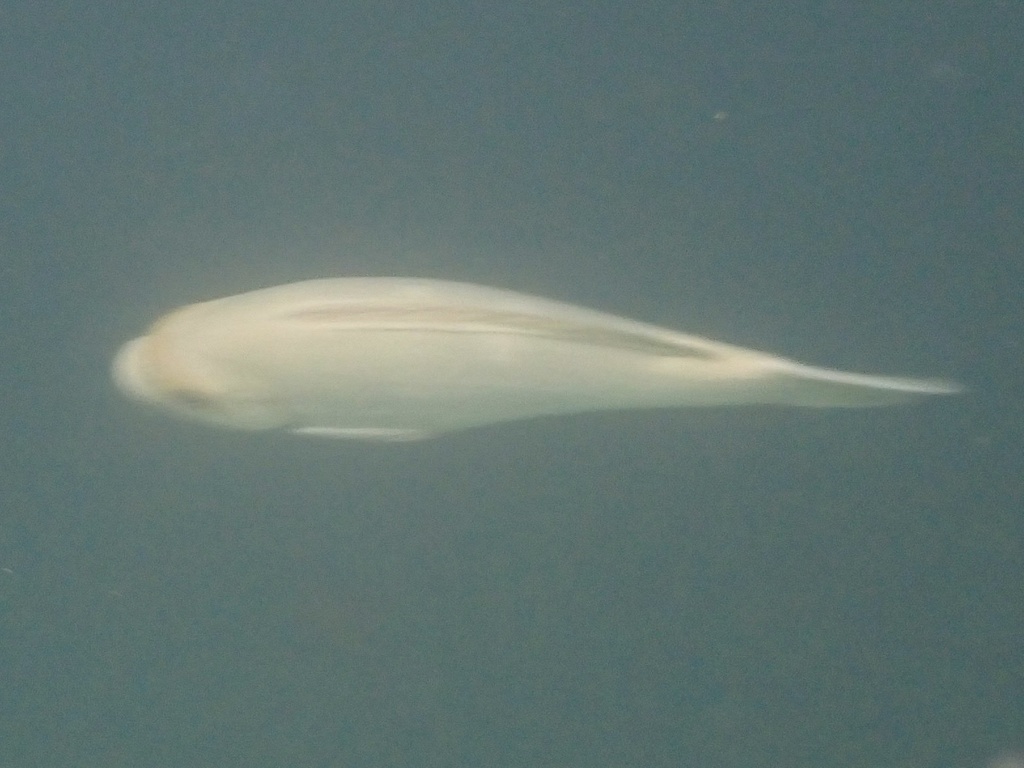
(c) Cricket Raspet, some rights reserved (CC BY) · licence
Family: Kyphosidae · Class: Actinopterygii · Order: Perciformes
Girella nigricans (Opaleye) is a California animal in the Kyphosidae family.
The opaleye is a medium-sized marine fish endemic to the eastern Pacific Ocean. Adults typically reach 35 to 66 cm (14 to 26 inches) in total length and can weigh up to 6.4 kg (14 pounds). The species displays a distinctive oval, laterally compressed body with a small head and mouth. Coloration varies from dark olive-green to grayish-blue dorsally, transitioning to lighter shades ventrally. The distinctive bright blue or opalescent eyes give the species its common name. Juveniles often exhibit more pronounced dark vertical bars across the body that fade with age. Opaleye range extends along the Pacific coast from San Francisco, California, south to Cabo San Lucas, Baja California, Mexico. Within California waters, the species is most abundant from central California southward, with populations concentrated around the Channel Islands and along the Southern California coast. According to the California Department of Fish and Wildlife, opaleye are residents of rocky shorelines and kelp beds throughout their range. The species inhabits rocky intertidal zones and kelp forest environments from the surface to depths of approximately 29 meters (95 feet). Young opaleye measuring 2.5 cm (1 inch) or more in length initially occupy tide pools before moving to deeper waters as they mature. Adults prefer rocky reefs, kelp beds, and areas with complex bottom topography that provide shelter and feeding opportunities. The species shows strong site fidelity, often remaining in localized areas throughout their adult life. Opaleye are primarily herbivorous, feeding on various species of marine algae including kelp, sea lettuce, and other macroalgae. This feeding behavior plays a significant ecological role in regulating kelp growth through grazing pressure. The species exhibits planktonic larval development, with eggs and larvae drifting in ocean currents before settling. Spawning typically occurs during warmer months, with females releasing pelagic eggs that develop in the water column. Adults demonstrate moderate potential for dispersal, though many individuals remain within localized reef systems. Opaleye are not currently listed under federal or state endangered species legislation and are considered a common component of Southern California kelp forest ecosystems. The species supports both commercial and recreational fisheries, with recreational anglers targeting opaleye from shore and boats around rocky areas and kelp beds. Population trends appear stable, though the species may be vulnerable to habitat degradation from coastal development, water quality changes, and climate-induced alterations to kelp forest ecosystems. Marine protected areas, such as the Casino Point State Marine Conservation Area at Catalina Island, provide no-take refugia that protect opaleye populations and their kelp forest habitat. The species serves as an indicator of kelp forest ecosystem health due to its herbivorous feeding habits and dependence on rocky reef environments.
Classification
Class: Actinopterygii · Order: Perciformes · Family: Kyphosidae
Frequently asked questions
How is Girella nigricans classified?
Girella nigricans belongs to class Actinopterygii, order Perciformes, family Kyphosidae.
What family does Girella nigricans belong to?
Girella nigricans is in the Kyphosidae family.
What is Girella nigricans?
The opaleye is a medium-sized marine fish endemic to the eastern Pacific Ocean.
Is Girella nigricans found in California?
Yes. Girella nigricans is recorded in California in The California Species Project's catalogue.
More California species
This species has no close relatives in our California data — here are other species to explore.
Data from The California Species Project — 14,000+ California species with verified data from CNPS, CDFW, USFWS, and more.