Glaresis arenata
Kelso Dunes Scarab Glaresis Beetle
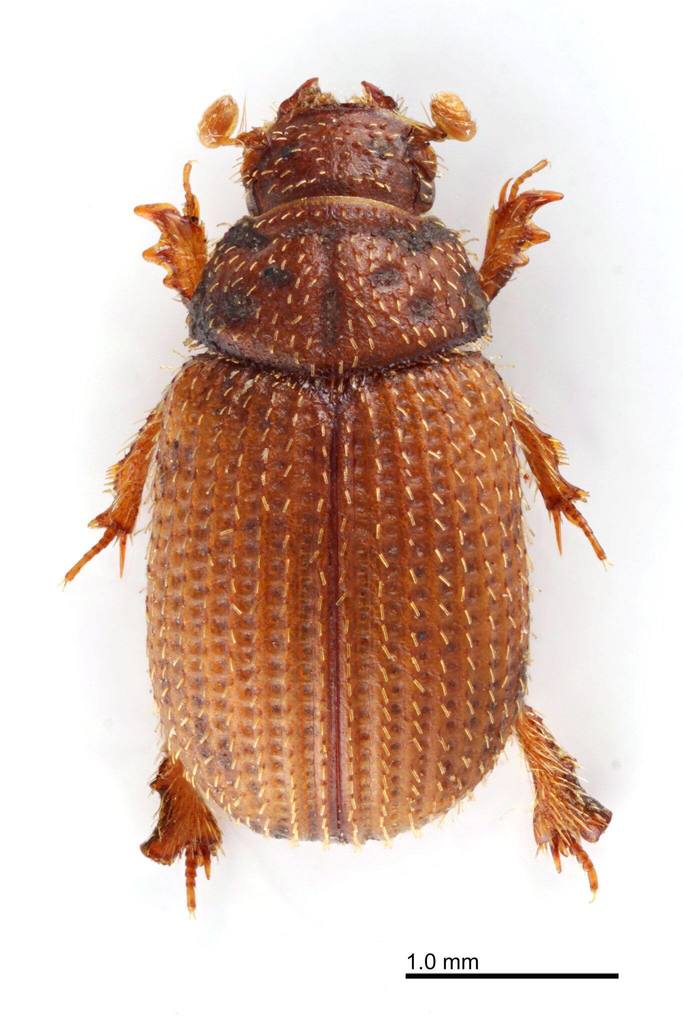
(c) Takeharu YANAGI, some rights reserved (CC BY) · licence
Family: Scarabaeidae · Class: Insecta · Order: Coleoptera
Conservation status: G2 S2
Glaresis arenata (Kelso Dunes Scarab Glaresis Beetle) is a California animal in the Scarabaeidae family.
The Kelso Dune glaresis scarab is a small beetle endemic to the Mojave Desert of California. This scarab beetle belongs to the family Scarabaeidae and represents one of several specialized species adapted to the unique sand dune environments of the region. Physical characteristics and detailed morphological descriptions for this species remain poorly documented in the scientific literature. Glaresis arenata is known exclusively from the Kelso Dunes system in the Mojave National Preserve, San Bernardino County, California. The Kelso Dunes represent one of the largest and most prominent sand dune systems in the Mojave Desert, rising approximately 650 feet above the surrounding desert floor. This highly restricted range makes the species particularly vulnerable to localized threats and environmental changes. The beetle inhabits the specialized sand dune ecosystem of the Kelso Dunes, which consists of fine-grained quartzose sand derived from the Mojave River system over thousands of years. These dunes support a unique community of plants and animals adapted to the shifting sand substrate and extreme temperature fluctuations. The dune system experiences significant daily temperature variations and low annual precipitation typical of the Mojave Desert region. Limited ecological information exists for Glaresis arenata in the published literature. Like other members of the genus Glaresis, this species likely exhibits adaptations for life in sandy substrates, including specialized leg structures for digging and movement through loose sand. The genus Glaresis comprises several species found in arid regions of western North America, many of which are associated with specific sand dune systems. Reproductive behavior, seasonal activity patterns, and specific dietary requirements for the Kelso Dune population have not been well documented. The species carries a global rank of G2 and state rank of S2, indicating it is imperiled both globally and within California due to its extremely limited range and small population size. These ranks suggest the species faces a high risk of extinction. The U.S. Fish and Wildlife Service maintains a species profile for Glaresis arenata, indicating federal recognition of its conservation concern, though it does not appear on current threatened and endangered species lists as of December 2025. The primary conservation challenge for this beetle stems from its restriction to a single dune system, making the entire population vulnerable to any significant disturbance or environmental change affecting the Kelso Dunes. Potential threats to the species include recreational vehicle use, foot traffic, and other human activities that could disrupt the delicate dune ecosystem. Climate change may also pose long-term risks through altered precipitation patterns and temperature regimes. Conservation of the Kelso Dune glaresis scarab depends entirely on maintaining the integrity of the Kelso Dunes ecosystem within the Mojave National Preserve.
Classification
Class: Insecta · Order: Coleoptera · Family: Scarabaeidae
Conservation status
G2 S2
Frequently asked questions
How is Glaresis arenata classified?
Glaresis arenata belongs to class Insecta, order Coleoptera, family Scarabaeidae.
What family does Glaresis arenata belong to?
Glaresis arenata is in the Scarabaeidae family.
Is Glaresis arenata protected or of conservation concern?
Glaresis arenata carries the following status: G2 S2.
What is Glaresis arenata?
The Kelso Dune glaresis scarab is a small beetle endemic to the Mojave Desert of California.
Is Glaresis arenata found in California?
Yes. Glaresis arenata is recorded in California in The California Species Project's catalogue.
Related species
Other California species in the same genus, family, or bioregion.
Data from The California Species Project — 14,000+ California species with verified data from CNPS, CDFW, USFWS, and more.