Glaucina epiphysaria
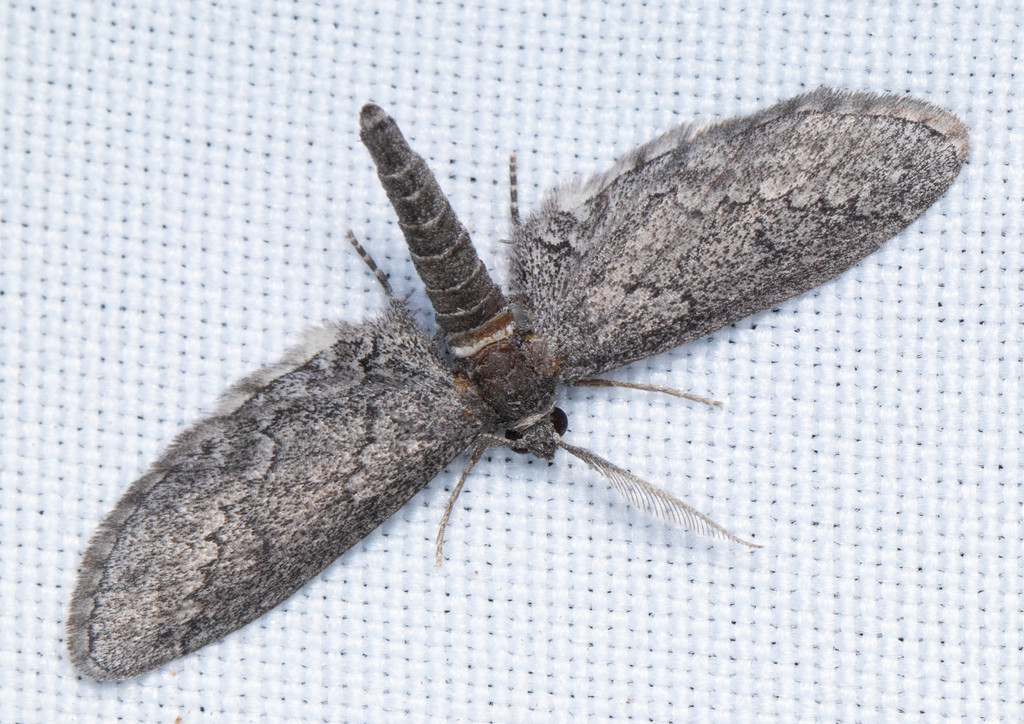
(c) Luis Fernando Valdez Ojeda, some rights reserved (CC BY) · licence
Family: Geometridae · Class: Insecta · Order: Lepidoptera
Glaucina epiphysaria is a California animal in the Geometridae family.
Glaucina epiphysaria is a moth species in the family Geometridae, commonly known as the geometrid moths or inchworms. This family is characterized by moths whose larvae move in a distinctive looping motion, drawing their rear end up to meet their front end before extending forward again. Geometridae represents one of the largest families of Lepidoptera, with over 23,000 described species worldwide. Taxonomically, G. epiphysaria belongs to the order Lepidoptera within the class Insecta. The genus Glaucina encompasses several species of geometrid moths, though detailed information specific to G. epiphysaria remains limited in available literature. The species name 'epiphysaria' suggests potential anatomical or morphological characteristics, though the specific etymology and meaning require further documentation. Like other members of Geometridae, G. epiphysaria likely exhibits the typical moth lifecycle consisting of egg, larval (caterpillar), pupal, and adult stages. Adult geometrid moths generally possess broad, relatively flat wings held horizontally when at rest, distinguishing them from many other moth families. Wing patterns and coloration vary significantly within the family, often providing camouflage against tree bark, leaves, or other substrates. Geometrid larvae, including those of Glaucina species, typically feed on plant material. The specific host plants and habitat requirements for G. epiphysaria have not been documented in readily available scientific literature. Many geometrid species demonstrate host plant specificity, with larvae adapted to feed on particular plant families or genera. Without verified distribution data, the range of G. epiphysaria cannot be definitively stated. Given the inclusion in a California wildlife database, the species likely occurs within California's borders, but specific counties, elevation ranges, and habitat types require further documentation. The conservation status of G. epiphysaria remains unknown, with no federal or state listing designations currently assigned. This absence of conservation information may reflect limited research attention, taxonomic uncertainty, or stable population status. Many invertebrate species, particularly moths, lack comprehensive population assessments due to identification challenges and limited survey efforts. Geometrid moths play important ecological roles as herbivores in their larval stage and as pollinators or prey species as adults. Adult moths typically exhibit nocturnal activity patterns and are attracted to artificial lights, making them accessible for research and monitoring efforts. However, the specific ecological role and conservation needs of G. epiphysaria require targeted research to establish baseline population data and habitat requirements.
Classification
Class: Insecta · Order: Lepidoptera · Family: Geometridae
Frequently asked questions
How is Glaucina epiphysaria classified?
Glaucina epiphysaria belongs to class Insecta, order Lepidoptera, family Geometridae.
What family does Glaucina epiphysaria belong to?
Glaucina epiphysaria is in the Geometridae family.
What is Glaucina epiphysaria?
Glaucina epiphysaria is a moth species in the family Geometridae, commonly known as the geometrid moths or inchworms.
Is Glaucina epiphysaria found in California?
Yes. Glaucina epiphysaria is recorded in California in The California Species Project's catalogue.
Related species
Other California species in the same genus, family, or bioregion.
Data from The California Species Project — 14,000+ California species with verified data from CNPS, CDFW, USFWS, and more.