Glaucina eureka
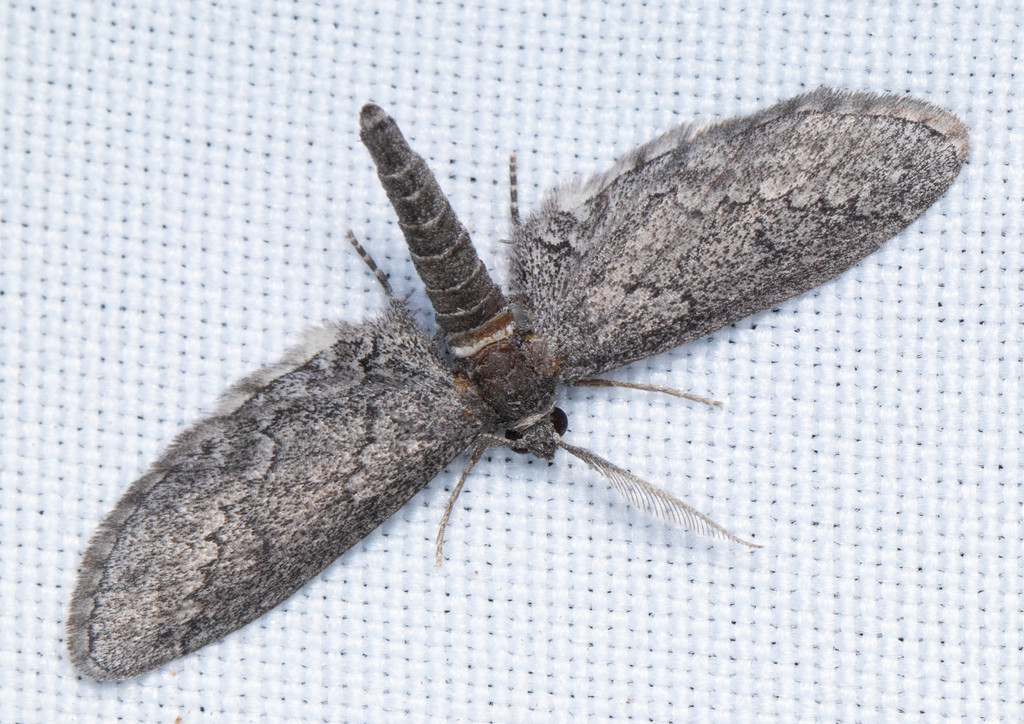
(c) Luis Fernando Valdez Ojeda, some rights reserved (CC BY) · licence
Family: Geometridae · Class: Insecta · Order: Lepidoptera
Glaucina eureka is a California animal in the Geometridae family.
Glaucina eureka is a moth species in the family Geometridae, known as the geometrid moths or inchworm moths. This species belongs to a large family characterized by larvae that move in a distinctive looping motion, extending and contracting their bodies while crawling. Adult geometrid moths typically have broad, delicate wings held horizontally when at rest. The specific taxonomic classification places Glaucina eureka within the order Lepidoptera, which encompasses all butterflies and moths. Geometridae represents one of the largest moth families, containing over 23,000 described species worldwide. The genus Glaucina includes several North American species, though comprehensive taxonomic studies of this group remain limited. Information regarding the specific distribution range of Glaucina eureka is extremely limited in current scientific literature. The species epithet 'eureka' may suggest some connection to California, as this name is historically associated with the state's gold rush era and appears in various California place names. However, without verified occurrence records, the precise geographic range cannot be definitively established. Habitat requirements for Glaucina eureka remain largely undocumented in accessible scientific sources. Geometridae moths generally occupy diverse habitats including forests, grasslands, and shrublands. Many species within this family show specificity to particular vegetation types, with larvae often feeding on specific host plant families. The habitat preferences of geometrid moths typically correlate closely with the distribution of their larval food plants. Ecological information specific to Glaucina eureka is not readily available in current scientific databases or literature. Geometridae moths generally exhibit nocturnal activity patterns, with adults attracted to artificial light sources during nighttime hours. Most species complete one or two generations annually, depending on climatic conditions and latitude. Larvae typically pupate in soil or leaf litter, emerging as adults during specific seasonal periods. Reproductive behavior follows typical geometrid patterns, with females releasing pheromones to attract males for mating. Eggs are usually deposited on or near host plants, where larvae will feed after hatching. The distinctive looping locomotion of geometrid caterpillars results from having fewer prolegs than other moth larvae, causing them to arch their backs while moving. The conservation status of Glaucina eureka cannot be assessed due to insufficient data regarding population size, distribution, and threats. Many geometrid moth species face challenges from habitat loss, light pollution, and climate change, but species-specific impacts on Glaucina eureka remain unknown. The apparent scarcity of recent scientific records may indicate either genuine rarity or insufficient survey effort for this particular species. Further taxonomic and ecological research is needed to establish fundamental biological information for Glaucina eureka, including verified occurrence records, host plant associations, and population status assessments.
Classification
Class: Insecta · Order: Lepidoptera · Family: Geometridae
Frequently asked questions
How is Glaucina eureka classified?
Glaucina eureka belongs to class Insecta, order Lepidoptera, family Geometridae.
What family does Glaucina eureka belong to?
Glaucina eureka is in the Geometridae family.
What is Glaucina eureka?
Glaucina eureka is a moth species in the family Geometridae, known as the geometrid moths or inchworm moths.
Is Glaucina eureka found in California?
Yes. Glaucina eureka is recorded in California in The California Species Project's catalogue.
Related species
Other California species in the same genus, family, or bioregion.
Data from The California Species Project — 14,000+ California species with verified data from CNPS, CDFW, USFWS, and more.